AI and Data in Outdoor Technology: From Smart Wearables to Enterprise Solutions
Explore how AI and data analytics are transforming outdoor gear, from advanced smartwatches to intelligent safety devices. Learn how these trends mirror enterprise AI/IoT solutions for enhanced operations.

The Dawn of Intelligent Outdoor Technology: Beyond Consumer Gadgets
The landscape of outdoor equipment is rapidly integrating advanced technologies to elevate safety, optimize performance, and enrich user experiences. While consumer-focused promotions, such as those recently highlighted in REI’s Anniversary Sale (Source: The Verge article on REI deals), often showcase these innovations, they also reflect deeper, pervasive trends in artificial intelligence (AI) and data utilization. These advancements, spanning from sophisticated wearables to smart communication tools, offer a glimpse into the capabilities that are now becoming commonplace. Critically, these developments are not confined to recreational use; they provide a blueprint for enterprise operations that demand similar levels of accuracy, reliability, and real-time intelligence in diverse and challenging environments. The capacity to collect, process, and act upon data at the edge, whether in a remote wilderness or a complex industrial facility, is increasingly fundamental.
Smart Wearables: Revolutionizing Health, Navigation, and Predictive Insights
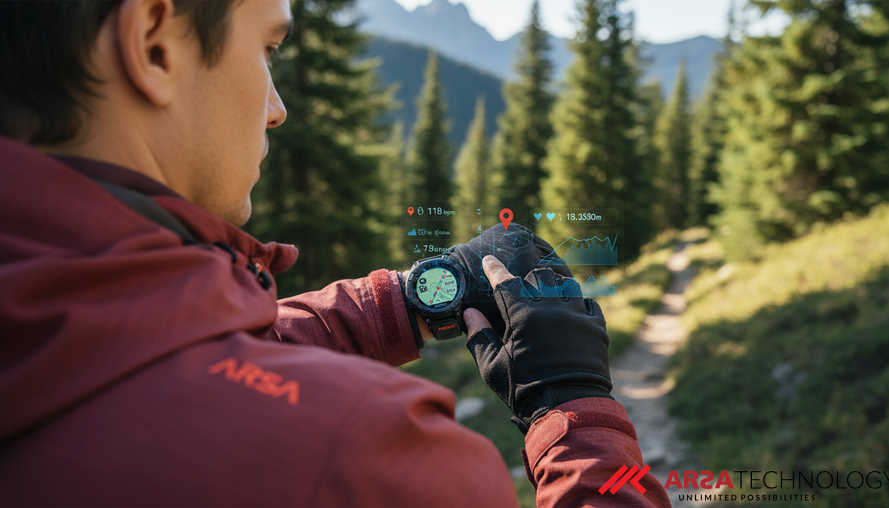
Modern smartwatches and fitness trackers are pioneering this technological evolution, extending their functionalities far beyond rudimentary activity monitoring. Devices like the Garmin Fenix 8, a premium multisport watch, feature advanced sensors, exceptional battery life, and dual-frequency GPS. These attributes are indispensable for precise location tracking and comprehensive performance measurement, serving both individual adventurers and professionals in field operations. Similarly, the Garmin Venu 4, tailored for a broader athletic demographic, incorporates sophisticated health and fitness tracking, including alerts for abnormal heart rates, detailed sleep analytics, and novel wellness features such as caffeine and alcohol intake monitoring. When aggregated and intelligently analyzed, such data can yield powerful predictive insights into human physiological states and overall well-being.
The Amazfit Active 2 further exemplifies this integration by combining built-in GPS with AI chatbots that contextualize health data. This illustrates how AI can interpret raw biometric information to offer personalized insights or practical recommendations. For enterprises, particularly in sectors such as healthcare, logistics, or industrial safety, real-time monitoring of vital signs and activity levels—often enhanced by precision instruments like the Polar H10 chest strap for superior heart rate accuracy—is paramount. This data can be fed into larger systems to anticipate potential health risks or optimize workforce deployment, ensuring regulatory compliance and strengthening safety protocols. This approach mirrors how ARSA's Self-Check Health Kiosk automates comprehensive health screenings for workforce management in various controlled environments, transforming passive data into actionable health intelligence.
Advanced Communication and Safety: The Power of Edge AI
Maintaining secure communication and ensuring safety in remote or challenging terrains is a critical requirement. Satellite communicators, such as the Garmin inReach Mini 2 and inReach Messenger Plus, showcase robust off-the-grid communication capabilities. These devices facilitate two-way messaging, integrated navigation, advanced mapping functions, and the crucial ability to trigger SOS alerts through the Iridium network. The newer Garmin InReach Mini 3 introduces a color touchscreen for improved usability and supports sending photos and voice messages, significantly enhancing situational awareness in the field. While these systems typically require a subscription for network access, their core functionality—reliable, secure communication and location sharing beyond conventional cellular coverage—provides a vital blueprint for critical infrastructure and defense applications.
The principle of processing data directly at the edge, where network connectivity may be sparse but immediate insights are essential, is central to the design of these devices. For example, the Garmin Varia RTL515 Radar Taillight, which alerts cyclists to approaching vehicles from a considerable distance, performs real-time object detection and generates alerts locally. This capability is analogous to ARSA Technology's approach with the ARSA AI Box Series. These pre-configured edge AI systems process video streams directly on-site, delivering instant operational insights without relying on cloud infrastructure. They effectively transform existing CCTV systems into proactive intelligence platforms for applications such as industrial safety, traffic monitoring, and restricted area security. The ability to autonomously detect, classify, and trigger immediate alerts for critical events—whether it’s a vehicle proximity warning or an unauthorized zone intrusion—dramatically reduces response times and bolsters overall safety and operational efficiency.
Intelligent Audio and Portable Devices: Enhancing Contextual Awareness
Even portable audio devices are incorporating smarter features, demonstrating the broader reach of AI. The JBL Charge 6 and Flip 7 speakers, known for their robust design and extended battery life, feature "JBL’s AI Sound Boost" technology. This AI intelligently analyzes audio in real-time to optimize sound output, ensuring clearer, louder audio while minimizing distortion, even at higher volumes. While these are consumer-grade innovations, the underlying AI principles for real-time audio processing have clear parallels in enterprise applications. For instance, similar AI could enhance communication clarity in noisy industrial settings or improve situational awareness through intelligent audio analytics in security systems.
Compact and rugged devices like the JBL Clip 5, with its integrated carabiner and IP67 waterproof and dustproof rating, underscore the growing importance of durability and portability for use in challenging conditions. The engineering behind such resilient, energy-efficient portable technology directly influences the design of industrial IoT sensors and edge devices. These mission-critical tools must operate reliably, conserve power, and execute essential functions autonomously, often in harsh operational environments where human intervention is impractical or unsafe.
Data-Driven Efficiency and Safety in Operational Gear
Beyond electronic gadgets, the evolution of even traditional outdoor equipment reflects a growing demand for data-driven efficiency. While items such as the MSR PocketRocket 2 Stove, LifeStraw water filters, and JetBoil MiniMo Cooking System are primarily mechanical or passive, the broader technological trend points towards smarter, more connected operational systems. For example, the LifeStraw Go Series 1L water bottle, with its integrated two-stage filtration system, represents a practical application of integrated utility for immediate access to clean water.
In an industrial context, this translates into IoT sensors meticulously monitoring environmental parameters, smart utility systems tracking resource consumption, and AI-powered platforms optimizing complex logistical flows. For instance, within manufacturing or construction sectors, real-time data from embedded sensors can precisely optimize energy usage, predict equipment maintenance needs, or ensure stringent environmental compliance. This comprehensive approach to operational intelligence, which transforms raw data into actionable insights, is precisely the core offering of ARSA Technology. Our AI Video Analytics software processes CCTV footage in real-time to detect objects, people, vehicles, and behaviors, automating alerts and providing critical operational intelligence. ARSA's solutions reliably identify PPE compliance issues, traffic violations, crowd density, and restricted area intrusions with 99.7% accuracy, serving a diverse range of industries from public safety to smart cities.
Transforming Raw Data into Measurable Business Outcomes
The technological advancements evident in modern outdoor equipment—from enhanced tracking and intelligent assistance to reliable communication and robust design—underscore a universal demand for systems that are practical, resilient, and insightful. For global enterprises, these principles translate directly into scalable solutions that drive operational efficiency, bolster security, and significantly reduce costs. By leveraging AI for predictive analytics, computer vision for advanced monitoring, and IoT for comprehensive data collection, passive infrastructure can be transformed into intelligent decision engines that generate substantial ROI.
ARSA Technology, powered by its deep expertise since 2018 in Artificial Intelligence and Internet of Things, designs and deploys production-ready systems that deliver measurable impact across various industries. From fully self-hosted, on-premise AI software for complete data ownership and privacy to turnkey edge AI systems for rapid deployment, ARSA focuses on delivering solutions that integrate seamlessly with existing operations and effectively address mission-critical challenges with engineering rigor and long-term scalability.
Ready to explore how advanced AI and IoT can transform your enterprise operations? Discover ARSA Technology’s solutions and capabilities.
Source: The Verge article on REI deals, May 16, 2026, https://www.theverge.com/gadgets/931274/rei-anniversary-sale-2026
Call to Action:
Elevate your operations with practical, proven AI and IoT solutions. To discuss how ARSA Technology can tailor intelligent systems for your specific enterprise needs, contact ARSA for a free consultation.