AI Revolutionizes Liver Cirrhosis Prediction: Benchmarking Against Traditional Methods
Discover how machine learning models, leveraging routine EHR data, significantly outperform traditional FIB-4 scores for early liver cirrhosis prediction, enabling proactive healthcare.

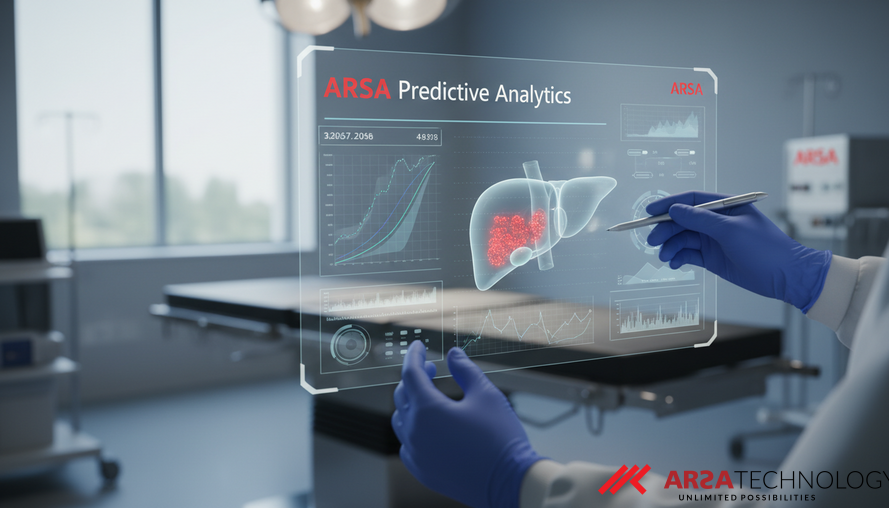
The Silent Progression: Why Early Liver Cirrhosis Prediction Matters
Liver cirrhosis, the advanced stage of chronic liver disease, represents a global health crisis, responsible for a significant increase in morbidity and mortality worldwide. This condition often progresses silently, with symptoms only appearing once the disease has reached an advanced and often irreversible stage. Patients diagnosed with cirrhosis face reduced survival rates, higher hospitalization risks, and substantial economic burdens on healthcare systems. The urgency for early identification is paramount, as timely interventions can slow disease progression, guide more effective treatments, and prevent severe complications like hepatic decompensation or liver cancer.
Despite the critical need, traditional diagnostic tools for routine risk assessment have inherent limitations. Liver biopsy, long considered the gold standard, offers detailed histological information but is invasive, carries procedural risks, requires specialized expertise, and is unsuitable for frequent monitoring. While emerging technologies like liquid biopsy and digital pathology offer promise, they are still evolving and often fall short in sensitivity and specificity. Non-invasive methods such as FibroScan provide rapid results but are costly and often unavailable outside tertiary care centers, limiting their widespread adoption in primary care settings.
The Limitations of Traditional Non-Invasive Scores
To bridge the gap in accessible, non-invasive liver disease assessment, researchers developed simple serum-based indices like the Fibrosis-4 (FIB-4) score. These formulas, calculated from readily available laboratory and demographic data such as age, platelet count, aspartate aminotransferase (AST), and alanine aminotransferase (ALT), are inexpensive and can be implemented in primary care without specialized equipment. They have proven useful as "rule-out" tools, effectively identifying low-risk patients unlikely to have advanced fibrosis.
However, the diagnostic limitations of these scores are evident. For instance, the FIB-4 score, at a common cutoff, identifies less than half of patients with advanced fibrosis (low sensitivity) while correctly identifying a higher percentage of those without advanced disease (good specificity). This means that a significant portion of patients with advanced liver disease might be missed. Such trade-offs highlight their limited capacity for reliable risk stratification across diverse patient populations. Their structural simplicity, applying fixed linear weights to a small set of parameters, prevents them from capturing complex, non-linear relationships or integrating a wider array of clinical variables that influence disease progression, often leading to missed diagnoses or false positives.
Unlocking Predictive Power with Machine Learning
Machine learning (ML) emerges as a powerful alternative, offering a data-driven approach capable of overcoming the limitations of traditional scoring systems. Unlike static formulas, ML algorithms can integrate a much broader range of predictors, capture complex non-linear relationships, and continually refine their performance with larger datasets. This adaptability makes ML particularly well-suited for predicting conditions like liver cirrhosis, which result from multifactorial processes involving metabolic dysfunction, chronic inflammation, genetic predispositions, and comorbid conditions. The potential for AI-driven insights in medicine is vast, from predicting hepatocellular carcinoma to enhancing overall patient outcomes.
In a recent study, researchers developed and evaluated ML models to predict incident liver cirrhosis one, two, and even three years prior to diagnosis. The study benchmarked these models against the conventional FIB-4 score, utilizing routinely collected electronic health record (EHR) data. This retrospective cohort study used de-identified EHR data from a large academic health system, ensuring patient privacy while harnessing rich clinical information. Patients with fatty liver disease were identified and categorized into cirrhosis and non-cirrhosis cohorts based on diagnostic codes.
Superior Performance: ML vs. FIB-4
The study constructed prediction scenarios using observation and prediction windows to closely simulate real-world clinical application. Demographic information, diagnoses, laboratory results, vital signs, and comorbidity indices were meticulously aggregated from the observation windows. XGBoost models, a highly efficient ML algorithm known for its performance, were then trained for 1-, 2-, and 3-year prediction horizons and rigorously evaluated on held-out test sets. The performance of these models was compared against the FIB-4 score using the Area Under the Receiver Operating Characteristic (AUROC) curve, a standard metric for assessing diagnostic accuracy.
The results were compelling: across all prediction windows, the machine learning models consistently and substantially outperformed the FIB-4 score. For the 1-year prediction, the XGBoost model achieved an AUROC of 0.81, significantly higher than FIB-4's 0.71. Similarly, for the 2-year prediction, ML hit 0.73 compared to FIB-4's 0.63, and for the 3-year prediction, ML reached 0.69 versus FIB-4's 0.57. These performance gains were sustained even with longer prediction horizons, clearly demonstrating the improved early risk discrimination capabilities of ML. This means that AI can identify individuals at high risk much earlier and with greater accuracy than current widely used methods.
Business Impact and Proactive Healthcare
The implications of these findings for healthcare systems and businesses are profound. Deploying AI-powered predictive models for conditions like liver cirrhosis offers several tangible benefits:
- Reduced Healthcare Costs: Early detection allows for preventive measures and less invasive treatments, avoiding expensive crisis interventions, prolonged hospitalizations, and complex procedures associated with advanced-stage cirrhosis.
- Improved Patient Outcomes: Identifying at-risk patients years in advance means interventions can begin when they are most effective, slowing disease progression, improving quality of life, and increasing survival rates.
- Optimized Resource Allocation: Healthcare providers can strategically allocate resources, focusing preventative care on high-risk individuals and streamlining diagnostic pathways, thereby reducing the burden on medical staff and facilities.
- Enhanced Clinical Decision Support: Integrating these ML models into clinical workflows provides automated, data-driven insights that assist clinicians in making more informed and proactive decisions about patient management and referrals.
- New Revenue Streams: For healthcare technology providers, offering such advanced predictive analytics creates opportunities for partnership with large health systems seeking to modernize their diagnostic capabilities.
Such innovations are critical for transforming healthcare delivery. For organizations seeking to empower patients with self-monitoring capabilities, ARSA Technology offers solutions such as the Self-Check Health Kiosk, which enables independent vital sign examinations, contributing to proactive health management. Beyond kiosks, ARSA provides a range of Healthcare Technology Solutions that leverage AI and IoT to enhance efficiency and patient care in various settings. These advancements underscore ARSA's commitment to building the future with AI and IoT across various industries, including healthcare.
The Future of Precision Medicine
The success of machine learning models in predicting liver cirrhosis represents a significant step towards precision medicine. By leveraging the vast amounts of data routinely collected in EHRs, AI can transform passive medical records into active, intelligent tools for early disease prediction and proactive management. This shift moves healthcare from a reactive model to a preventive one, enabling interventions that can genuinely change patient trajectories and reduce the overall burden of chronic diseases.
ARSA Technology is at the forefront of delivering measurable and impactful Artificial Intelligence and IoT-based solutions. We are ready to be your partner in realizing digital transformation, with a deep understanding of practical deployment realities and a commitment to privacy-by-design.
Ready to explore how AI-powered solutions can transform your healthcare or enterprise operations? Discover our comprehensive range of AI and IoT offerings and contact ARSA today for a free consultation.