Conversational AI: The Fundamental Shift Reshaping Creative Workflows
Explore how Adobe's Firefly AI Assistant and similar conversational AI tools are fundamentally changing creative workflows, democratizing access, automating tasks, and integrating with enterprise solutions for unprecedented efficiency and innovation.

The Dawn of Conversational AI in Creative Work
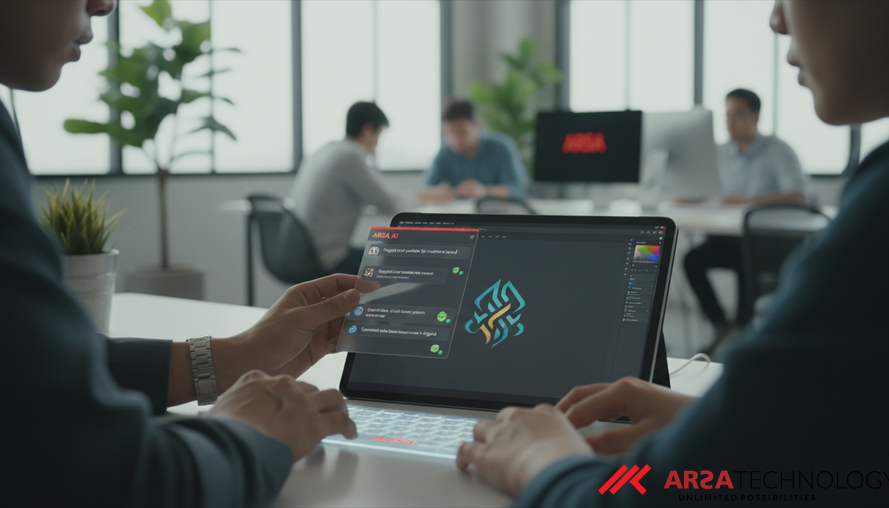
The landscape of creative work is undergoing a profound transformation, driven by the emergence of conversational AI. This technological leap allows creators to interact with sophisticated editing tools using natural language, fundamentally altering how digital content is produced and refined. No longer confined to the intricacies of specialized software, users can now simply articulate their creative vision or desired modifications, with AI acting as an intelligent assistant to execute complex tasks. This marks what industry leaders are calling a "fundamental shift" in creative processes, making advanced editing capabilities accessible to a much broader audience and streamlining traditional workflows.
Adobe, a prominent player in the creative software domain, is at the forefront of this evolution with its new Firefly AI Assistant. This innovative tool empowers users to describe their intended changes by typing plain language commands into a conversational interface. Imagine instructing the AI to "retouch this image" or "resize this for social media" – the system then automatically orchestrates the necessary steps across various applications. This paradigm shift removes significant skill barriers and automates labor-intensive processes, all while ensuring that creatives retain ultimate control over their projects. According to a report by The Verge, Adobe anticipates this assistant will soon be widely available on its Firefly AI studio platform, though a specific launch date is yet to be announced.
Democratizing Creativity: How AI Assistants Reshape the Workflow
The power of conversational AI lies in its ability to democratize access to professional-grade creative tools. Traditional creative software often demands years of training and mastery of intricate interfaces and specialized terminology. The Firefly AI Assistant, building on earlier experimental initiatives, translates natural language commands into actionable instructions, leveraging specific Adobe Creative Cloud applications such as Photoshop, Premiere, Lightroom, Express, and Illustrator on the user's behalf. This means a marketing professional with no prior design expertise could generate visually compelling content, or a video editor could rapidly refine footage without delving into manual color correction or audio adjustments.
When a user issues a command, the AI agent doesn't just perform a single action; it can execute "complex, multi-step workflows" automatically. For instance, resizing an image for social media might involve cropping, adjusting resolution, and applying specific filters—all managed seamlessly by the AI. The assistant provides a selection of potential edits, allowing creators to choose the best fit and then fine-tune results using integrated tools or sliders. For further precision, edited results can always be opened in native Creative Cloud apps for final manual adjustments. This hybrid approach ensures that while AI accelerates the initial stages, human creativity and discernment remain central to the final output.
Beyond Simple Prompts: Advanced AI Capabilities and Personalization
The capabilities of these AI assistants extend far beyond basic command execution. Adobe's Firefly AI Assistant is designed to evolve with its users, learning individual preferences over time. This includes remembering preferred tools, common workflows, and specific aesthetic choices. This personalization ensures that the AI's suggestions and automated edits become increasingly aligned with the creator's unique style, fostering consistency across projects. Adobe emphasizes that users will have control over this learning process, able to enable or disable the feature and select specific projects from which the AI can learn.
Furthermore, creators can develop and implement "Creative Skills" — essentially custom presets or automated routines — that the AI assistant can execute consistently. These skills can be tailored for specific branding guidelines, stylistic choices, or repetitive tasks, allowing for scalable and uniform content generation. A library of pre-made skills is also expected to be available at launch, further accelerating productivity. Beyond images, the Firefly platform is also enhancing video and audio editing. The Firefly Video Editor now offers seamless integration with Adobe Stock for B-roll footage and new features for improving color adjustments and spoken dialogue clarity. New image editing features like Precision Flow allow for a wider range of generated images without prompt modification, while the AI Markup tool provides precise control over edit locations using brush or rectangle tools and reference images.
Integration and Expanding Ecosystems
Adobe's foray into conversational AI is part of a broader strategy to integrate AI agents across its ecosystem and beyond. The company has already rolled out specific AI assistants for various applications, including Adobe Acrobat and Express. The vision extends to making these agentic features accessible through third-party AI applications, such as Anthropic’s Claude. This means users could potentially access Adobe's powerful creative tools and AI capabilities even outside of its native Firefly and Creative Cloud platforms, fostering a more interconnected and flexible digital workspace.
This interoperability highlights a growing trend in the AI industry: the development of intelligent agents that can collaborate across different platforms and services. For enterprises, this means greater flexibility in integrating AI into existing infrastructure and workflows, regardless of their current software stack. It underscores the importance of modular AI solutions that can adapt to diverse operational environments, offering capabilities like those found in ARSA AI API, which allows for flexible integration of AI functionalities into various applications.
The Broader Impact on Enterprise and Digital Transformation
The advent of conversational AI in creative work has significant implications for businesses and their digital transformation strategies across various industries. For large enterprises, particularly those with high content demands like marketing agencies, e-commerce platforms, or media companies, these tools promise substantial improvements in efficiency and scalability.
- Reduced Time-to-Market and Cost Savings: Automating complex creative tasks drastically cuts down the time and labor required for content production. This translates directly into faster campaign launches, quicker product updates, and reduced operational costs associated with design and editing.
- Enhanced Brand Consistency: "Creative Skills" and personalized learning features ensure that AI-generated content adheres strictly to brand guidelines and aesthetic preferences, minimizing inconsistencies and maintaining a cohesive brand image across all digital touchpoints.
- Empowered Workforce: Non-designers can now contribute effectively to content creation, freeing up senior designers to focus on strategic, high-value creative endeavors. This democratizes creativity within an organization, fostering innovation from all levels.
- Flexible Deployment for Data Control: While many AI services are cloud-based, enterprises often require robust data governance and privacy. Solutions from providers like ARSA Technology offer flexible deployment models, including on-premise AI software or edge AI systems, ensuring full data ownership and compliance with stringent regulations, much like how ARSA AI Video Analytics runs on-premise without cloud dependency for sensitive data. This is crucial for sectors like government, defense, and healthcare where data sovereignty is paramount. ARSA has been experienced since 2018 in developing such practical and secure AI deployments.
Navigating the Future of AI-Powered Creative Industries
The integration of conversational AI into creative workflows represents more than just a new feature; it's an evolving methodology for digital production. While fears of AI replacing human creativity often arise, the focus here is on augmentation—enhancing human capabilities, removing bottlenecks, and fostering new avenues for artistic and commercial expression. Creators retain control, directing the AI as a powerful assistant rather than being supplanted by it. The ability for the AI to learn preferences and execute custom "Creative Skills" highlights a future where AI tools are deeply personalized, becoming extensions of the creator's intent.
For businesses and individuals alike, understanding and strategically adopting these AI-powered creative tools will be crucial for maintaining a competitive edge in the rapidly evolving digital landscape. It’s about leveraging technology to achieve unprecedented levels of efficiency, quality, and creative output, while always keeping the human element in command.
Source: Adobe embraces conversational AI editing, marking a ‘fundamental shift’ in creative work
Ready to transform your enterprise operations with practical, high-impact AI and IoT solutions that prioritize control, privacy, and performance? Explore ARSA Technology's range of solutions and contact ARSA for a free consultation today.