Elon Musk Unveils Vision for Terafab Chip Plant: A Deep Dive into AI's Hardware Frontier
Explore Elon Musk's ambitious plan for a Terafab chip plant in Austin, Texas, to fuel AI, robotics, and space data centers amidst global chip shortages. Understand the complexities and strategic implications of this venture.

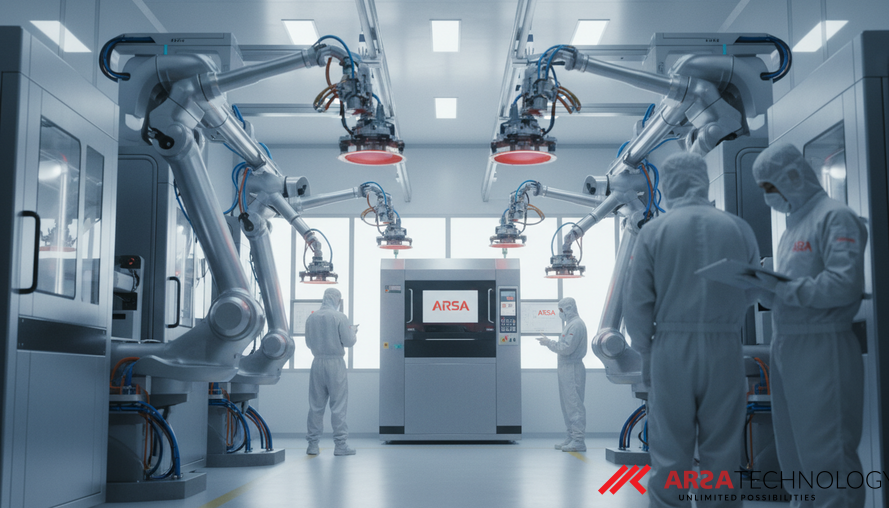
Elon Musk has announced a highly ambitious plan to construct a Terafab chip manufacturing plant in Austin, Texas, a facility intended to be a joint venture between his companies, Tesla and SpaceX. This bold initiative aims to address the critical need for specialized chips to power advancements in artificial intelligence (AI), robotics, and next-generation space-based data centers, catering specifically to the extensive demands of Musk's diverse enterprises. The announcement, as reported by The Verge, highlights a strategic move into the deeply complex world of semiconductor production (Source: The Verge).
The Vision: Terafab and Vertical Integration in AI
Musk's vision for the Terafab plant is clear: to achieve self-sufficiency in chip production for his technology ecosystem. The stated goal is to build chips at an unprecedented scale, specifically engineered for the high-performance requirements of sophisticated robotics, advanced AI applications, and the burgeoning infrastructure of space-based data centers. This move towards vertical integration underscores a growing trend among tech giants to control critical components of their supply chain, particularly those vital for AI compute. By manufacturing their own chips, companies can design silicon optimized precisely for their unique workloads, enhance security, and potentially gain a competitive edge in performance and efficiency. This strategic control could enable unparalleled integration between software and hardware, pushing the boundaries of what's possible in their respective fields.
The ambition extends beyond conventional AI infrastructure on Earth, with plans to also support space-based data centers. This element introduces a layer of complexity related to radiation hardening, power efficiency, and thermal management in extreme environments, reflecting SpaceX's unique operational demands. For companies focused on deploying intelligent solutions, like ARSA Technology, the availability of purpose-built, high-performance chips, whether custom-made or off-the-shelf, is crucial for developing robust and efficient systems, such as advanced AI Video Analytics and complex industrial IoT deployments.
The AI Chip Imperative: Demand Outstrips Supply
The global AI industry is experiencing exponential growth, leading to an insatiable demand for specialized computing hardware. Graphics Processing Units (GPUs), Field-Programmable Gate Arrays (FPGAs), and Application-Specific Integrated Circuits (ASICs) designed for AI workloads are in high demand, often leading to supply chain bottlenecks. Musk, like many other executives across the tech landscape, has openly expressed concerns about the semiconductor industry's capacity to keep pace with this surging requirement. The sophisticated algorithms driving modern AI, from large language models to complex robotics, require immense parallel processing power, making chips the new "oil" of the digital economy.
The strategic importance of owning chip production is amplified by geopolitical tensions and supply chain vulnerabilities. Relying solely on external foundries, many of which are concentrated in specific regions, presents risks related to disruptions, intellectual property, and competitive access. A dedicated Terafab plant would, theoretically, insulate Tesla and SpaceX from these external pressures, ensuring a consistent and tailored supply of critical components. For enterprises seeking to implement AI solutions, understanding the underlying hardware ecosystem is vital, even when collaborating with solution providers like ARSA Technology, who deliver practical AI systems like the ARSA AI Box Series, which integrates specialized hardware with advanced software for optimal performance at the edge.
The Herculean Task of Chip Fabrication
Building a chip fabrication plant, often referred to as a "fab," is one of the most complex and capital-intensive endeavors in modern industry. These facilities require multi-billion dollar investments, often stretching into tens of billions for cutting-edge nodes. The construction and commissioning typically span many years, requiring specialized infrastructure, ultra-clean environments (cleanrooms far purer than hospital operating rooms), and an enormous array of highly specialized equipment. This includes lithography machines that can cost hundreds of millions of dollars each, as well as etching, deposition, and inspection tools that are at the forefront of engineering.
Moreover, the process demands an incredibly skilled workforce, encompassing material scientists, electrical engineers, process engineers, and numerous other specialists. The technological leap from designing a chip to mass-producing it with high yields involves overcoming immense manufacturing hurdles. Bloomberg's observation about Musk's lack of a semiconductor production background and his history of optimistic timelines highlights the formidable challenges ahead. The intricacies involved mean that even well-established semiconductor companies face significant obstacles and delays in bringing new fabs online. Any company embarking on such a journey must possess not only immense financial resources but also deep institutional knowledge and a proven track record in precision manufacturing.
Strategic Implications for Robotics and Space Data Centers
The chips envisioned for the Terafab would serve critical functions across Tesla's and SpaceX's operations. For robotics, custom chips could significantly enhance the processing power, energy efficiency, and real-time decision-making capabilities of humanoid robots and autonomous vehicles. This would allow for more complex perception, navigation, and interaction in dynamic environments, accelerating the deployment and capability of robotic systems. The ability to iterate on custom silicon designs closely aligned with their software and mechanical needs could differentiate Tesla's robotics endeavors significantly.
In the realm of space, the demand for powerful, resilient computing is growing. As SpaceX expands its Starlink constellation and explores deeper space missions, the need for robust, high-throughput data processing in harsh radiation environments becomes paramount. Space-based data centers could enable localized data processing, reducing latency and reliance on ground infrastructure, which is crucial for applications like autonomous spacecraft operations and advanced earth observation. Musk's statement about producing chips capable of supporting up to 200 gigawatts per year of computing power on Earth and up to a terawatt in space outlines a scale that dwarfs current industry standards, emphasizing the transformative potential of such a facility if realized. ARSA Technology specializes in developing custom AI solutions that are optimized for various deployment environments, including edge and private cloud, which often necessitate close integration with specific hardware capabilities.
Bridging the Gap: From Advanced Chips to Enterprise Solutions
While the prospect of a Terafab plant highlights the bleeding edge of hardware innovation, the ultimate value of these advanced chips lies in their application to real-world problems. For enterprises, the focus remains on deploying AI and IoT solutions that deliver measurable business outcomes, irrespective of who manufactures the underlying silicon. Solution providers like ARSA Technology leverage the best available hardware, including advanced processors and edge devices, to create practical systems that solve complex operational challenges. Our expertise lies in transforming raw data into actionable intelligence, ensuring privacy-by-design, and delivering reliable deployments.
Whether it’s optimizing factory floors with predictive analytics, enhancing public safety with real-time video surveillance, or improving traffic flow in smart cities, the journey from advanced chip to tangible ROI requires robust software, meticulous integration, and an understanding of operational realities. ARSA has been experienced since 2018 in developing and deploying such AI and IoT solutions across various industries, translating technological prowess into strategic advantage for our clients. The broader semiconductor industry continues to innovate, offering diverse options for companies to build out their AI and IoT infrastructure.
The Road Ahead and Unanswered Questions
Musk's Terafab announcement, while generating considerable excitement, also comes with significant questions, particularly regarding timelines. As Bloomberg pointed out, a common characteristic of ambitious tech projects is the gap between initial grand plans and their eventual realization. Musk provided no concrete schedule for when the Terafab plant might become operational or when it would achieve its projected computing power outputs. The absence of a clear timeline, coupled with the immense technical and financial hurdles inherent in chip manufacturing, suggests that this vision, while compelling, is a long-term endeavor.
The success of such a venture will depend not only on overcoming technological challenges but also on securing immense capital, recruiting top-tier talent in semiconductor manufacturing, and navigating regulatory landscapes. Regardless of the timeline, the mere announcement highlights the intensifying focus on hardware in the AI race and the strategic importance of controlling the entire technology stack, from silicon to software.
For enterprises looking to implement practical AI and IoT solutions today, ARSA Technology offers production-ready systems designed for accuracy, scalability, and operational reliability. To explore how our AI & IoT solutions can transform your operations and create new revenue streams, we invite you to contact ARSA for a free consultation.