Figma's AI Assistant Transforms Collaborative Design Workflows
Explore how Figma's new AI assistant, powered by fine-tuned models, is enhancing collaborative design by automating tasks, generating iterations, and focusing creative teams on strategic direction.

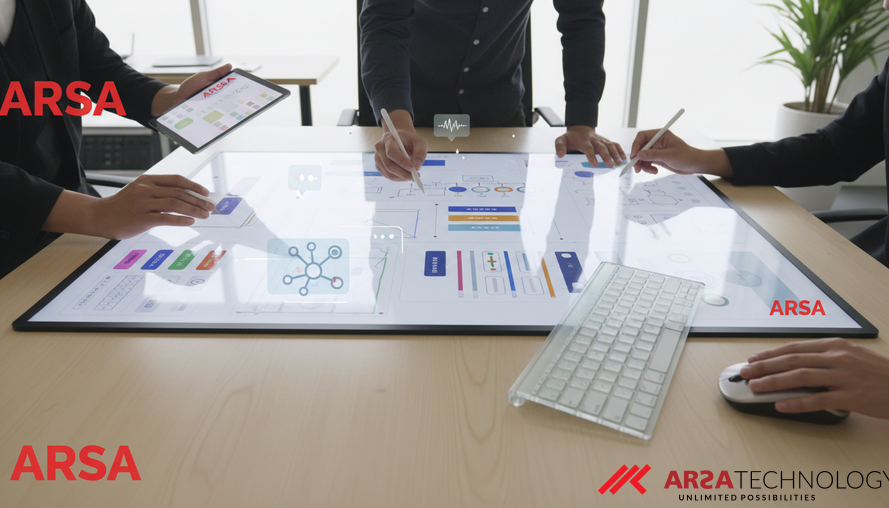
The Evolution of Collaborative Design with AI
The landscape of digital design is undergoing a profound transformation, driven by the integration of artificial intelligence into collaborative platforms. Figma, a leading name in design software, is at the forefront of this evolution, introducing its own AI agent directly within its multiplayer canvas. This strategic move builds upon previous collaborations with AI providers like Anthropic and OpenAI, which saw the integration of AI Command Line Interface (CLI) tools such as Claude Code and Codex to support coding environments alongside design processes. The launch of Figma's native AI assistant signals a deeper commitment to streamlining workflows and empowering designers with intelligent automation, reshaping how creative teams collaborate and innovate.
This new AI agent within Figma’s collaborative canvas empowers users to interact with their designs using natural language prompts. Designers can now articulate their ideas through text commands to generate entirely new design concepts, modify existing elements, or automate repetitive tasks. For instance, creating multiple iterations of a specific design component or exploring various aesthetic directions can be executed with simple instructions, significantly accelerating the ideation phase. The platform even supports the simultaneous deployment of multiple AI agents, each capable of handling different tasks, further boosting productivity and allowing for parallel exploration of design possibilities.
Understanding Design Context: The Power of Fine-Tuned AI
A key differentiator for Figma’s AI assistant lies in its contextual intelligence. The company asserts that its AI models are specifically fine-tuned for design applications, enabling the assistant to comprehend design elements and their relationships within a given context. This specialized training means the AI can interpret nuanced design instructions more effectively, ensuring outputs are relevant and aligned with design principles rather than generic interpretations. This deep contextual understanding allows the AI to become a truly valuable partner in the creative process, understanding the "what" and the "why" behind design choices.
Loredana Crisan, Figma's chief design officer, articulates a shift in focus facilitated by these advancements. As the technical aspects of software development become more accessible, the emphasis increasingly moves towards strategic direction: defining project goals, desired functionality, and user experience. With AI agents handling the more tedious aspects of design iteration and visualization, design teams can dedicate more energy to exploring complex ideas, testing edge cases, and refining core concepts. This strategic shift liberates designers from manual grunt work, allowing them to concentrate on higher-value creative and problem-solving activities.
Strategic Vision and Industry Impact
The introduction of this AI agent into Figma Design is just the beginning, with plans to extend its capabilities across other Figma products. This move aligns with the company's broader vision of bringing design and code closer together within its applications, fostering a more integrated and efficient product development lifecycle. In an increasingly competitive market, facing rivals such as Canva, Adobe, Flora, Krea, and Dessn, Figma has proactively strengthened its offerings, including the acquisition of node-based design tool Weavy and the addition of new image-editing features.
Despite industry-wide concerns about AI potentially displacing design jobs or diminishing the demand for design software, Figma has demonstrated robust growth. The company reported impressive revenue of $333.4 million in the first quarter of 2026, marking a significant 46% increase year-over-year. This performance underscores the idea that AI, when integrated thoughtfully, can augment human creativity and productivity, driving demand for advanced tools rather than stifling it. This success highlights AI's role not as a replacement but as a powerful enabler for designers and enterprises alike.
Implications for Enterprise and Operational Efficiency
The strategic integration of AI into design platforms like Figma offers valuable lessons for enterprises seeking to optimize their own operations. Beyond creative industries, organizations across various sectors can leverage AI and IoT solutions to transform passive data into actionable intelligence. For example, in manufacturing, AI can automate quality control or predict maintenance needs. In smart cities, AI video analytics can monitor traffic flow and enhance public safety. Companies like ARSA Technology, with expertise since 2018 in developing and deploying practical AI and IoT solutions, help businesses realize measurable ROI by reducing costs, increasing security, and creating new revenue streams.
ARSA Technology's approach often involves delivering solutions that are privacy-by-design and adaptable to various deployment realities. Whether it's through robust on-premise AI software for comprehensive data control, or turnkey edge AI systems like the ARSA AI Box Series for rapid deployment in environments with limited infrastructure, the focus remains on practical, impactful AI. These solutions empower enterprises to turn complex operational challenges into competitive advantages, much like Figma is doing for the design world. By integrating advanced capabilities such as AI Video Analytics, businesses can gain real-time insights and automate critical decision-making processes, enhancing efficiency and security.
Source: TechCrunch
Ready to explore how AI and IoT can transform your enterprise operations? Discover ARSA Technology’s comprehensive AI and IoT solutions and request a free consultation today.