General Motors Drives Forward with Google Gemini AI Integration and Super Cruise Milestones
General Motors is integrating Google's Gemini AI into four million vehicles for enhanced in-car intelligence, alongside achieving one billion hands-free miles with its Super Cruise system. Discover the future of automotive AI and autonomous driving.

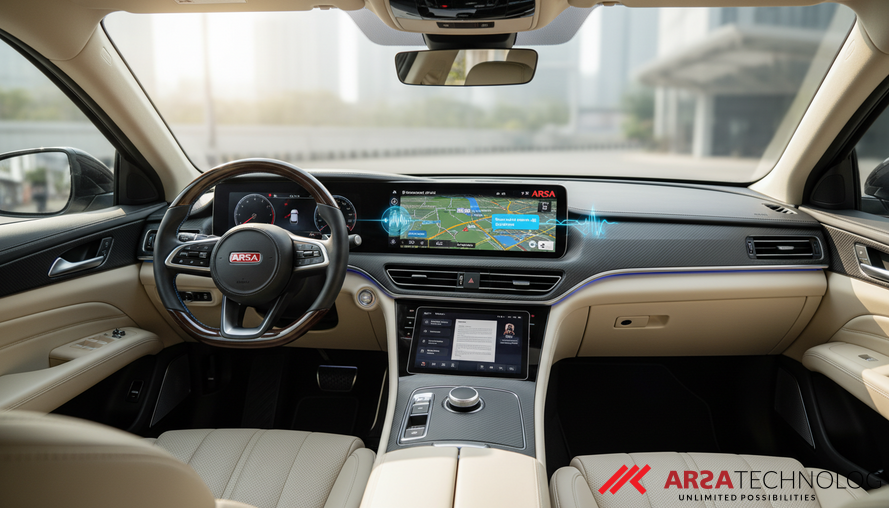
The automotive industry is experiencing a rapid transformation, driven by advancements in artificial intelligence and autonomous technologies. General Motors (GM) is at the forefront of this evolution, recently announcing two significant milestones that underscore its commitment to integrating cutting-edge AI into its vehicle lineup and pushing the boundaries of assisted driving. The company is set to deploy Google’s advanced Gemini AI assistant into millions of its vehicles, promising a more intuitive and conversational in-car experience. This comes as GM also celebrates its Super Cruise system surpassing one billion hands-free miles, signaling a growing acceptance and capability in advanced driver-assistance systems. These developments, initially reported by Jess Weatherbed for The Verge on April 29, 2026, mark a pivotal moment for both consumer technology and automotive innovation, as seen at The Verge.
The Evolution of In-Car Intelligence with Google Gemini
General Motors is making a substantial leap in in-car intelligence by integrating Google's Gemini AI assistant into approximately four million vehicles across the United States. This significant rollout targets model year 2022 and newer Cadillac, Chevrolet, Buick, and GMC vehicles already equipped with Google's built-in infotainment system. The upgrade will be delivered through convenient over-the-air (OTA) software updates, gradually reaching eligible vehicles over several months. GM hails this as "one of the largest deployments of Gemini in the industry," anticipating that drivers and passengers will experience a noticeable enhancement from the existing Google Assistant to a more sophisticated, intuitive, and continuously improving AI.
The introduction of Gemini means a more natural and conversational interaction with the vehicle's infotainment system. Instead of rigid commands, users can engage with the AI assistant through more fluid dialogue, asking questions or making requests much like they would with a human. This intelligent assistant will be capable of performing a wide array of tasks, from sending messages and providing navigation assistance to offering personalized music suggestions and more. Initially, Gemini will be available in US English, with GM planning to expand its availability to additional markets and support more languages over time, reflecting a global vision for connected car experiences.
The Crucial Role of Edge AI in Modern Vehicles
While cloud-based AI services like Google Gemini offer powerful processing capabilities and access to vast data resources, the immediate and reliable performance required for in-car systems often relies heavily on edge AI. Edge computing involves processing data directly on the device—in this case, within the vehicle—rather than sending it all to a centralized cloud server. This approach is critical for minimizing latency, ensuring responsiveness, and maintaining operational functionality even in areas with limited or no internet connectivity. For tasks such as real-time voice command processing, immediate navigation updates, or even basic system diagnostics, relying solely on cloud connectivity can introduce unacceptable delays and vulnerabilities.
Implementing edge AI solutions within vehicles allows for enhanced data privacy and security, as sensitive user information can be processed and stored locally, reducing the need for constant data transfer to external servers. This distributed processing power complements cloud AI, enabling a hybrid architecture where the cloud provides expansive knowledge and updates, while the edge handles time-critical, localized tasks. For enterprises seeking to integrate robust AI capabilities into their operations with a focus on data sovereignty, ARSA offers practical edge AI systems through its AI Box Series, designed for rapid deployment and on-premise processing across various industries.
Super Cruise: Redefining Hands-Free Driving on the Road
Alongside the Gemini integration, General Motors has achieved another impressive milestone with its Super Cruise advanced driver-assist system. Customers driving nearly 750,000 Super Cruise-enabled vehicles have collectively accumulated an astounding one billion hands-free miles. This landmark achievement underscores the system's reliability and user adoption across compatible roads in the US and Canada. Super Cruise represents a Level 2 (or L2+) automated driving system, allowing drivers to remove their hands from the steering wheel under specific conditions, primarily on mapped highways. It is crucial to note that while "hands-free," Super Cruise is not a fully autonomous system; drivers are still required to remain attentive and ready to take control.
This milestone is a testament to GM's continuous innovation in the competitive advanced driver-assistance system (ADAS) market. It positions Super Cruise as a robust contender, potentially giving rivals, including Tesla's Autopilot and Full Self-Driving (FSD) beta, a significant challenge in terms of real-world usage and accumulated safe driving data. The widespread adoption and extensive usage of Super Cruise demonstrate a growing comfort level among consumers with advanced vehicle automation features, paving the way for further advancements in semi-autonomous and, eventually, fully autonomous driving technologies.
Data Privacy, Security, and Ethical Considerations in Automotive AI
The proliferation of advanced AI, such as Gemini, and sophisticated ADAS features like Super Cruise within vehicles brings critical considerations regarding data privacy, security, and ethical AI. Modern cars are becoming data centers on wheels, collecting vast amounts of information about driving habits, passenger preferences, and even biometric data in some cases. Ensuring that this data is handled responsibly, secured against cyber threats, and utilized transparently is paramount for consumer trust and regulatory compliance. Privacy-by-design principles must be embedded into every layer of automotive AI development and deployment.
Manufacturers and technology providers must implement robust encryption, anonymization techniques, and clear data governance policies to protect user information. Furthermore, the ethical implications of AI making decisions on the road, even in an assistive capacity, require continuous scrutiny and the development of robust fail-safes and accountability frameworks. ARSA has been experienced since 2018 in developing secure, privacy-focused AI solutions for various industries, understanding the complexities of deploying such advanced systems in real-world, mission-critical environments. Our solutions for AI Video Analytics, for instance, are designed with rigorous attention to data control and compliance.
Broader Impact on the Automotive Industry and Consumer Experience
The integration of advanced conversational AI like Google Gemini into millions of vehicles signifies a broader shift within the automotive industry. It moves beyond simply providing connectivity to creating a truly intelligent and personalized in-car environment. This trend will likely push other manufacturers to accelerate their own AI integration strategies, leading to a competitive landscape focused on user experience, seamless interaction, and expanded digital services. For consumers, this means cars that are not just modes of transport but intelligent companions capable of anticipating needs and offering proactive assistance, transforming mundane commutes into more productive or enjoyable experiences.
The success of systems like Super Cruise also highlights the increasing importance of software-defined vehicles and the potential for new revenue streams through subscription services for advanced features and regular over-the-air updates. As AI and IoT solutions become more deeply embedded in vehicles, the automotive sector will increasingly resemble a technology industry, with software innovation and data intelligence driving market differentiation and customer loyalty.
General Motors' strategic move to integrate Google Gemini and the impressive mileage accumulated by Super Cruise represent significant milestones in the journey toward more intelligent, connected, and eventually autonomous vehicles. These advancements promise to enhance safety, convenience, and the overall driving experience for millions globally.
To learn more about how advanced AI and IoT solutions can transform your operations with a focus on real-world impact and robust data handling, we invite you to explore ARSA’s offerings and contact ARSA for a free consultation.