Matter-Compatible Security Cameras: Unlocking the Future of Smart Home Interoperability
Explore the potential of Matter-compatible security cameras like Aqara's G350, offering unified smart home integration, advanced analytics, and robust data privacy for modern enterprises.

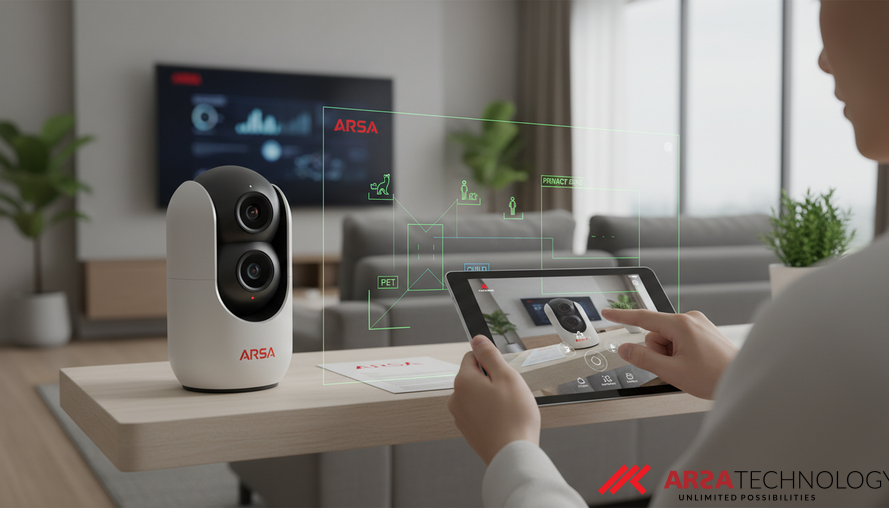
The landscape of smart home technology is constantly evolving, with new standards emerging to simplify integration and enhance functionality. A significant milestone in this journey is the advent of Matter, a universal open-source connectivity standard designed to ensure seamless interoperability across various smart home devices and platforms. While Matter has been gaining traction, its application to security cameras has been eagerly anticipated. The recent introduction of the Aqara Camera Hub G350 marks a pivotal moment, being among the first cameras to offer Matter support, promising a future of more integrated and intelligent security systems, albeit with initial limitations. This article delves into the capabilities of this pioneering device and the broader implications for security and operational intelligence.
Pioneering Matter Integration in Security Cameras
The Aqara Camera Hub G350 enters the market as a significant player, introducing Matter 1.5 camera support to consumers. This indoor pan-and-tilt security camera boasts impressive specifications, featuring dual-lenses: a 4K wide-angle lens for broad coverage and a 2.5K telephoto lens for detailed close-ups, complemented by up to 9x hybrid zoom. Its compact pan-tilt mechanism offers 360-degree coverage, with intelligent auto-tracking for individuals and pets, and a physical lens shutter that activates when the camera is powered off, ensuring privacy. This blend of high-definition imaging and agile mechanics positions it as a versatile tool for comprehensive indoor surveillance.
However, as of its launch, the Matter integration for the G350 is primarily supported by Samsung SmartThings. Other smart home platforms are still in the process of incorporating Matter 1.5, meaning the full, envisioned interoperability remains a future development. Initial setup experiences can involve multiple firmware updates to enable Matter 1.5 functionality and leverage its multi-admin feature for connecting to platforms like SmartThings, as detailed in an early hands-on report from The Verge (Jennifer Pattison Tuohy, Hands on with Aqara’s new Matter-compatible camera, March 17, 2026). This highlights the iterative nature of adopting new technology standards and the importance of robust firmware support from manufacturers.
Beyond Matter: Comprehensive Ecosystem Support and Data Control
While Matter compatibility is a key differentiator, the Aqara G350 also integrates with a broader ecosystem of smart home platforms and services. It supports Apple’s HomeKit Secure Video, allowing for secure storage and intelligent analysis within the Apple ecosystem. For users of Amazon Alexa and Google Home, connectivity is available via cloud integration. The camera also offers flexible data storage options, including local storage on a microSD card, and supports RTSP (Real-Time Streaming Protocol) for integration with Network Video Recorders (NVRs) or advanced home automation platforms like Home Assistant.
For organizations that prioritize data security and control, these deployment options are critical. ARSA Technology, for instance, provides AI Video Analytics solutions that offer similar flexibility, allowing deployment on-premise without cloud dependency. This approach ensures that all video streams, inference results, and metadata remain entirely within the client's infrastructure, addressing stringent privacy and compliance requirements often found in government, defense, and regulated industries. The availability of end-to-end encrypted cloud storage from manufacturers like Aqara, alongside local storage capabilities, further enhances data security postures.
The Transformative Promise of Matter for Enterprise Security
The core appeal of Matter lies in its potential to unify disparate smart home devices under a single, interoperable standard. For security cameras, this translates into significant advantages:
- Unified Management: Imagine managing all security cameras—regardless of brand—from a single primary smart home application. This eliminates the need to switch between multiple manufacturer-specific apps to access live feeds, recorded footage, or adjust settings like pan, tilt, and zoom.
- Enhanced Automations: Matter-enabled cameras can seamlessly integrate into more complex automation scenarios. For example, an enterprise could configure a system to automatically disable a camera in a specific office area when an authorized person unlocks the door, while simultaneously activating lights and logging entry, then re-enable the camera when the area is vacated.
- Advanced Features Standardization: The Matter standard supports essential security camera functionalities such as live video and audio streaming, two-way talk, local and remote access, pan-tilt-zoom controls, and the ability to define detection and privacy zones. It also standardizes continuous and event-based recording, with options for local or end-to-end encrypted cloud storage.
These capabilities are particularly impactful for enterprise environments, where managing a diverse array of security systems across multiple sites can be a complex and costly endeavor. Solutions like ARSA AI Box Series offer pre-configured edge AI systems that integrate seamlessly with existing CCTV infrastructure for rapid, plug-and-play deployment, providing similar operational benefits through real-time analytics and alerts.
Current Functionality and Future Outlook
While the promise of Matter is compelling, early experiences with devices like the Aqara G350 highlight that the standard is still maturing. Initially, users might find that only basic functionalities such as live streaming, snapshots, and two-way talk are available through the Matter-enabled platform (e.g., Samsung SmartThings). More advanced features like video history playback, pan-tilt-zoom controls, motion-activated recording, and smart alerts (e.g., facial recognition, package/vehicle alerts) may still require the camera's native app or await further firmware updates and platform-side implementation.
Despite these early adoption challenges, the underlying technology, often leveraging edge AI, ensures responsive performance. The local nature of Matter connectivity means features like live streaming can load instantly with minimal lag, providing a superior user experience compared to cloud-dependent solutions. The path forward for Matter cameras suggests a future where interoperability is commonplace, potentially mirroring the robust, brand-agnostic, and privacy-focused integration seen in platforms like Apple's HomeKit Secure Video, but with an open-source foundation.
For organizations considering comprehensive AI-powered security and monitoring solutions, understanding these trends is vital. ARSA Technology is an experienced since 2018 provider of AI and IoT solutions, offering custom AI development, AI video analytics software, and a range of edge AI systems designed for robust, real-world deployment across various industries. As Matter evolves, the ability to integrate advanced AI capabilities into a unified smart environment will become a critical advantage.
The journey towards fully unified and intelligent smart security systems is ongoing, with Matter representing a significant leap forward. While the initial steps might involve some limitations, the potential for streamlined management, enhanced automation, and superior data control offers a compelling vision for the future of enterprise security and operational efficiency.
For businesses looking to implement cutting-edge AI and IoT solutions for their security and operational needs, explore ARSA Technology's offerings and contact ARSA for a free consultation.