Mercedes-Benz EQS Embraces Steer-by-Wire and a Radical Steering Yoke: A Deep Dive into Automotive Innovation
Explore Mercedes-Benz's bold move with steer-by-wire technology and a controversial steering yoke in the EQS sedan. Understand the technology, safety implications, user experience debate, and how AI can enhance future automotive control systems.

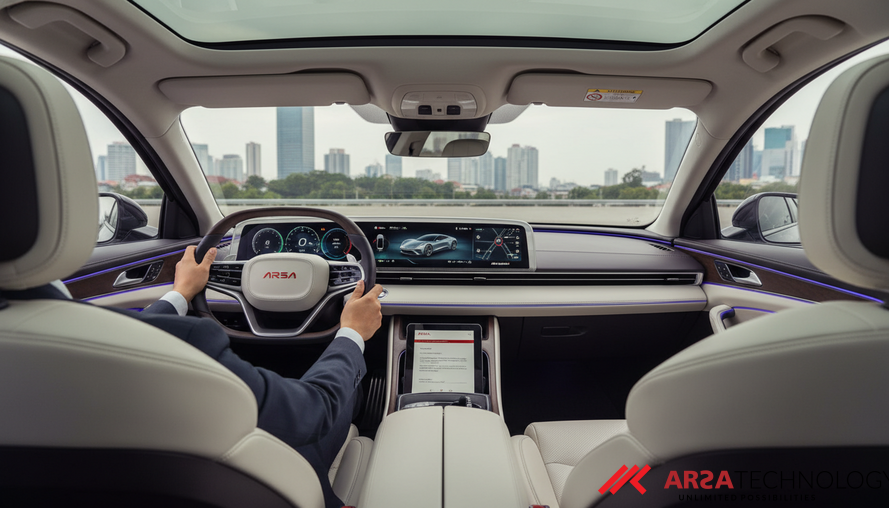
In a significant stride towards the future of automotive engineering, Mercedes-Benz is introducing a groundbreaking steer-by-wire system alongside a distinctive steering yoke in its refreshed EQS sedan. This move marks the luxury automaker's inaugural deployment of steer-by-wire technology, signaling a pivotal shift from traditional mechanical steering. This guide explores the intricacies of this innovative technology, its implications for safety and performance, and the ongoing debate surrounding the steering yoke design, reflecting a broader trend in the automotive industry towards intelligent, electronically controlled systems. The original announcement was detailed by Andrew J. Hawkins for The Verge.
The Technical Leap: Understanding Steer-by-Wire Technology
Steer-by-wire systems represent a fundamental departure from the conventional mechanical linkages that have defined automotive steering for over a century. Instead of a direct physical connection between the steering wheel and the steering rack, inputs from the driver are converted into electronic signals. These signals are then transmitted to electronic actuators, which precisely control the direction of the vehicle's wheels. This advanced electronic control offers numerous advantages, including enhanced design flexibility, improved steering precision, and the potential for new safety features.
Drawing parallels to aerospace applications, where fly-by-wire systems have been standard for decades, automotive steer-by-wire brings a similar level of computational control to ground vehicles. The absence of a mechanical column can free up cabin space, potentially allowing for more innovative interior designs and improved crash safety by eliminating a rigid component in front of the driver. Furthermore, the electronic nature allows for variable steering ratios, meaning the wheel's turn could translate to different degrees of wheel movement depending on speed or driving mode, offering a more dynamic or relaxed driving experience as desired.
Redundancy and Reliability: Mercedes' Rigorous Approach
The implementation of steer-by-wire in a production vehicle necessitates an uncompromising focus on safety and reliability. Mercedes-Benz has invested heavily in ensuring the robustness of its system, reporting over one million test kilometers (more than 621,000 miles) before approving the technology for market. This extensive validation process underscores the complexity and critical nature of completely electronic steering.
To meet stringent safety metrics, the system incorporates a redundant architecture, utilizing multiple signal paths, high-precision sensors, and powerful control units. This design ensures that steering capability is maintained even in the event of a component failure. Such redundancy is paramount in mission-critical systems, where operational integrity cannot be compromised. The principles of designing fault-tolerant systems with redundant components are central to advanced technology deployments across various industries, from industrial automation to smart city infrastructure, where ARSA Technology has been experienced since 2018 in delivering robust solutions.
The Steering Yoke Debate: Innovation Meets User Experience
In tandem with the steer-by-wire system, the EQS will also feature a new steering yoke. This design, characterized by its flattened top and bottom sections, evokes the aesthetics of a race car or an aircraft cockpit. While Mercedes-Benz argues that the yoke enhances the driver's view of the instrument cluster and facilitates easier entry and exit from the vehicle, it has sparked considerable discussion within the automotive community.
Previous attempts by automakers like Tesla, Lexus, and Toyota to popularize steering yokes have met with mixed reactions, with some manufacturers even backtracking due to driver outcry and safety concerns. Critics often point to the ergonomic challenges, particularly the difficulty of finding a consistent grip during high-speed maneuvers or when navigating tight turns. The absence of a full circular wheel can also impact comfort during long drives, as traditional steering wheels offer more surface area for hand placement and padding. The success of Mercedes’ implementation will largely depend on how the variable steering ratio of the steer-by-wire system complements the yoke, making it intuitive and safe for everyday driving.
AI and IoT in the Future of Automotive Control
The shift to steer-by-wire and advanced electronic control systems lays a fertile ground for deeper integration of Artificial Intelligence and the Internet of Things (IoT) in automotive applications. While the source material doesn't explicitly detail Mercedes' AI strategy for this specific system, the underlying electronic infrastructure is perfectly suited for AI enhancements. For example, AI algorithms could continuously analyze sensor data from the steering system and vehicle dynamics to predict potential failures, enabling proactive maintenance and further boosting safety.
Moreover, AI could personalize the steering experience, adapting the feel and responsiveness based on driver preferences, road conditions, and even fatigue levels detected through in-cabin monitoring systems. Such intelligent control systems go beyond simple mechanics, transforming the vehicle into a highly responsive and adaptive entity. Companies like ARSA Technology leverage Vision AI analytics and IoT sensor data to build solutions that monitor environments, assess behaviors, and provide real-time operational intelligence, which could be instrumental in supporting the development and monitoring of next-generation automotive features. For instance, advanced AI Video Analytics could be deployed in testing environments to observe driver interaction with the yoke and evaluate human-machine interface effectiveness.
Broader Implications for Enterprise and Smart Infrastructure
The advancements seen in the Mercedes EQS are indicative of a broader industry trend towards more intelligent, interconnected, and software-defined vehicles. For enterprises involved in fleet management, logistics, or smart city development, these technologies promise significant operational benefits. The precision and data-rich nature of steer-by-wire systems, combined with potential AI integration, could lead to:
- Optimized Performance: AI-driven analytics can fine-tune vehicle performance, reduce wear and tear, and enhance fuel or energy efficiency.
- Enhanced Safety and Security: Real-time data processing and AI-powered anomaly detection contribute to a safer driving experience and improved vehicle security. This aligns with solutions such as ARSA's AI BOX - Traffic Monitor, which utilizes edge AI for intelligent infrastructure.
- Foundation for Autonomous Fleets: Steer-by-wire is a critical enabler for fully autonomous vehicles, removing mechanical constraints and allowing for seamless electronic control by AI driving systems.
- Data-Driven Decision Making: The vast amounts of data generated by such electronic systems can be leveraged for better strategic planning in urban development and transportation management.
Mercedes-Benz's bold step with the EQS showcases the cutting edge of automotive innovation, merging advanced electronics with daring design. As vehicles become increasingly reliant on software and AI, the ability to process and interpret complex data in real-time will be crucial for both performance and safety. The evolution of steer-by-wire and innovative control interfaces like the steering yoke underscore the industry's commitment to pushing boundaries, promising a future where driving is not only more efficient and safer but also more intelligently integrated into our daily lives.
Ready to explore how AI and IoT can transform your operational challenges into intelligent solutions? Our team specializes in engineering cutting-edge technology for mission-critical enterprises. To learn more about our tailored AI and IoT offerings, contact ARSA for a free consultation.