Navigating Gaming Deals and the AI-Powered Future of Retail Pricing
Explore the latest Switch 2 game preorder discounts and delve into how AI is revolutionizing retail pricing, demand forecasting, and consumer behavior analysis in the modern market.

The gaming industry consistently captures global attention, not just with groundbreaking titles but also with the intriguing dynamics of pricing and distribution. As consumers eagerly anticipate new releases, the battle between digital convenience and the tangible value of physical media continues to shape purchasing decisions. Recently, preorders for anticipated titles on the hypothetical Nintendo Switch 2 have stirred discussions, particularly regarding notable discounts on physical editions. This offers a compelling lens through which to examine broader trends in retail, consumer behavior, and the subtle yet powerful influence of artificial intelligence in today’s marketplace, as originally reported by The Verge.
Unpacking the Latest Gaming Preorder Dynamics
For gaming enthusiasts, the announcement of new console titles often comes with immediate questions about pricing and availability. The upcoming "Splatoon Raiders" for the Switch 2, slated for a July 23rd release, presents a fascinating case. While the digital version is set at $49.99, its physical counterpart typically retails for $59.99. However, major retailers like Amazon and Walmart have disrupted this standard by offering preorders for the cartridge version at an even lower price of $49.94. This makes the physical edition a few cents cheaper than the digital download, defying the conventional expectation that digital copies might offer a slight cost advantage due to reduced production and distribution overheads.
This trend isn't isolated to a single title. "Yoshi and the Mysterious Book," a side-scrolling adventure scheduled for May 21st, exhibits a similar pricing anomaly. With a physical price of $69.99, it's currently available for preorder at $59.88 through Amazon and Walmart, effectively matching the presumed digital price of $60. These examples highlight a competitive landscape where retailers leverage strategic pricing to attract early buyers, often creating unexpected value for consumers.
The Enduring Appeal of Physical Media
Despite the undeniable convenience of digital downloads, the physical game market retains a significant appeal, primarily due to its inherent resale value. A digital license ties the game to a specific account and platform, rendering it non-transferable. Physical cartridges, on the other hand, offer players the flexibility to trade, sell, or lend their games, giving them a tangible asset that retains value beyond the initial purchase. This aspect becomes particularly attractive in an economic climate where prices for technology and gaming products are generally on the rise, making the ability to recoup some of the initial investment a powerful incentive.
Beyond resale, physical media often appeals to collectors who appreciate owning a tangible piece of a franchise. The artwork, packaging, and the sheer act of collecting physical copies contribute to a different kind of user experience that digital libraries cannot replicate. This dual appeal—financial flexibility and collector’s satisfaction—ensures that physical game sales, especially when competitively priced, remain a vital part of the gaming ecosystem.
AI's Role in Modern Retail and Dynamic Pricing
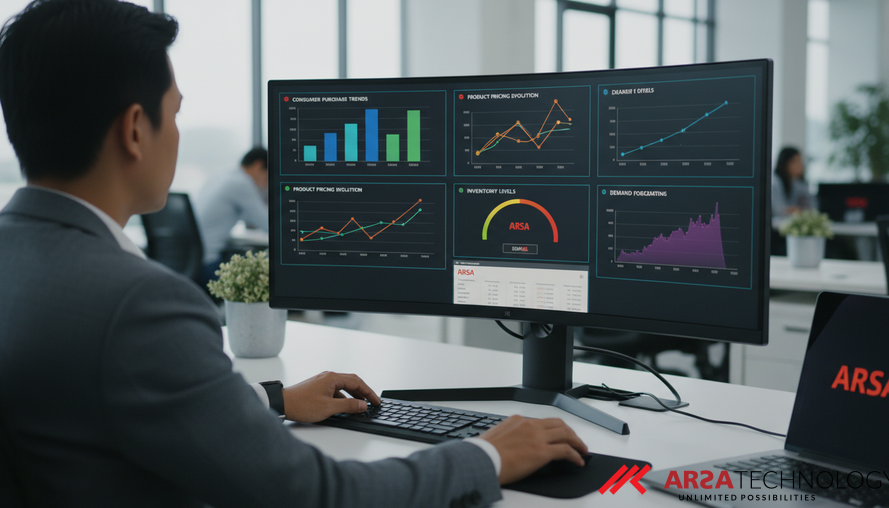
The nuanced pricing strategies observed in the gaming preorder market are often underpinned by advanced analytics and artificial intelligence. AI models are increasingly sophisticated in their ability to analyze vast datasets, including competitor pricing, historical sales data, seasonal trends, consumer demographics, and even real-time demand fluctuations. This enables retailers to implement dynamic pricing strategies that optimize sales and revenue, even if it means momentarily undercutting digital versions or offering significant discounts on new releases.
For businesses, integrating AI into their pricing and inventory management is no longer a luxury but a necessity for competitive advantage. AI-driven systems can predict demand with greater accuracy, reducing overstocking or stockouts and optimizing logistics. This is particularly crucial in sectors like retail and e-commerce, where rapid changes in consumer sentiment and market conditions can drastically impact profitability. ARSA Technology, for instance, provides solutions like AI BOX - Smart Retail Counter, which uses computer vision to analyze customer footfall, dwell time, and queue lengths, providing retailers with actionable insights to optimize store layouts, staffing, and promotional strategies.
Transforming Operational Intelligence with AI and IoT
The principles of advanced data analysis and real-time insights extend far beyond just pricing strategies. In various industries, AI and IoT solutions are transforming passive data into active intelligence, driving efficiency and security. For example, in large retail environments or public spaces, AI Video Analytics can monitor crowd density, identify suspicious behaviors, and ensure compliance with safety protocols. These systems process CCTV footage in real-time to detect objects, people, vehicles, and behaviors, enabling automated alerts, dashboards, and operational intelligence without constant human monitoring.
Such technologies are critical for enterprises seeking to reduce costs, increase security, and create new revenue streams. By providing deep insights into operational realities, AI and IoT empower decision-makers to make data-backed choices that enhance productivity and mitigate risks. ARSA’s commitment to delivering production-ready systems ensures that these advanced capabilities are practical, scalable, and adaptable to the unique challenges of various industries, from manufacturing to smart cities.
Conclusion: Beyond the Game, Towards Intelligent Operations
While the excitement around discounted game preorders is a consumer-focused narrative, it also serves as a subtle indicator of the powerful technological forces at play in modern commerce. The strategic pricing, inventory management, and demand forecasting witnessed in the retail sector are increasingly influenced by advanced AI and IoT systems. These intelligent technologies are enabling businesses to adapt faster, understand their customers better, and optimize their operations to an unprecedented degree. For enterprises navigating complex market dynamics, harnessing AI and IoT is key to maintaining a competitive edge and driving sustainable growth.
To explore how AI and IoT solutions can transform your operations and unlock new business value, we invite you to connect with our experts for a free consultation.
Source: The Verge (Updated May 1, 2026)