Navigating the Future of AI: Global Implications of Proposed Data Center Moratoriums
Explore the potential global impact of proposed legislation to halt AI data center construction, examining concerns over energy, privacy, and economic equity, and how enterprises can strategically adapt.

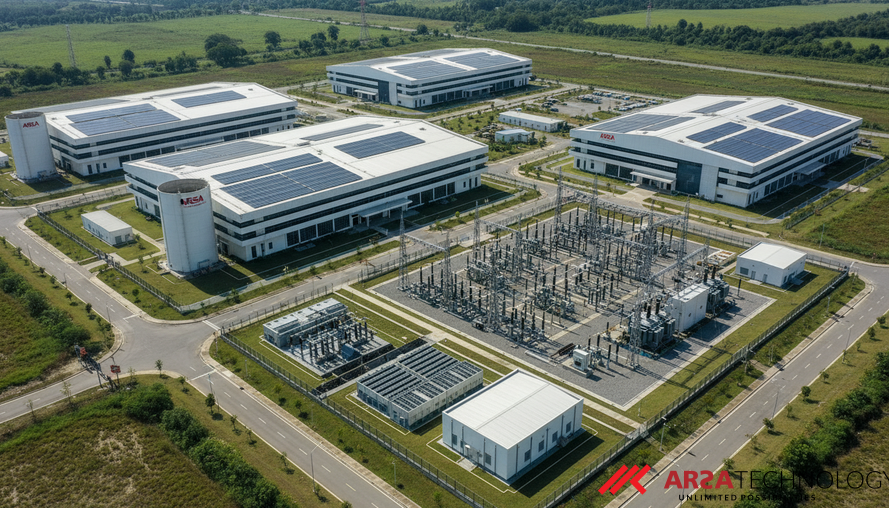
A significant debate is unfolding at the intersection of artificial intelligence development, environmental sustainability, and economic equity, sparking discussions that resonate far beyond national borders. Spearheaded by figures like Senator Bernie Sanders, a new legislative proposal in the United States aims to impose a national moratorium on the construction and upgrading of data centers specifically for AI. This bill, even if symbolic in its immediate chances of passage, marks a critical turning point in how governments and societies are beginning to scrutinize the rapid, largely unregulated expansion of AI infrastructure. It spotlights a growing global conversation about the environmental footprint of advanced computing and the broader societal implications of AI's unchecked growth.
The Core of Proposed AI Data Center Regulations
Senator Bernie Sanders announced plans to introduce a bill calling for a national moratorium on data center construction that fuels AI, an initiative supported by Representative Alexandria Ocasio-Cortez, who will introduce a similar bill in the House. The proposed legislation seeks to halt the development of new and existing data centers used explicitly for artificial intelligence, defined by an energy load exceeding 20 megawatts, until comprehensive laws are enacted. The moratorium's cessation is tied to the implementation of regulations that ensure data centers do not exacerbate climate change, harm the environment, or unduly inflate electricity bills. Beyond environmental concerns, the bill demands safeguards against AI products that could negatively affect the "health and well-being of working families, privacy and civil rights, and the future of humanity." Furthermore, it stipulates that wealth generated from AI must be "shared with the people," and notably, it proposes to prohibit the export of computing hardware, including critical semiconductor chips, to any country lacking similar protective legislation.
This bold legislative move reflects a multifaceted concern: the speed at which AI is developing, the concentration of its benefits among a few wealthy individuals (with names like Elon Musk, Jeff Bezos, Sam Altman, and Dario Amodei specifically mentioned), and the profound societal shifts it could trigger. By linking data center growth to broader AI safety and equitable distribution of its gains, the bill sets a precedent for how future technological advancements might be governed, prompting a re-evaluation of current practices in enterprise AI development and deployment. For businesses globally, this signals an increasing regulatory focus on the ethical, environmental, and social dimensions of AI adoption, urging a shift towards more responsible and sustainable infrastructure.
Growing Public and Political Resistance to Data Center Expansion
The push for a moratorium isn't occurring in a vacuum; it’s fueled by escalating public and political opposition to the unchecked expansion of data centers, an issue with a global footprint. Across various regions, communities are expressing significant concerns about the environmental and economic impact of these power-hungry facilities. The rapid growth of data centers, often driven by the demands of AI and cryptocurrency, has ignited debates over surging electricity bills, intensive water consumption, broader energy impacts, and even land rights. A recent Pew poll in the United States highlighted this sentiment, revealing that nearly 40 percent of Americans believe data centers are detrimental to the environment and home energy costs, while 30 percent perceive a negative impact on the quality of life in nearby areas.
This public discontent has already influenced political outcomes, particularly in areas like Virginia and Georgia, where data center development has rapidly accelerated. Such community pushback is not insignificant; a report last year indicated that data center projects worth an estimated $98 billion were stalled or canceled in a single quarter due to local opposition. The issue transcends traditional political divides, attracting criticism from both progressive groups, who sent a letter in December advocating for a national moratorium, and prominent conservative politicians who have voiced concerns about data centers "devouring public land" and contributing to electricity rate hikes. For businesses planning AI infrastructure, this widespread resistance signals a critical need for transparent, community-conscious, and sustainable deployment strategies. Enterprises should consider partners like ARSA, which has been experienced since 2018 in developing robust, privacy-centric AI and IoT solutions, understanding that successful deployment often hinges on addressing these public concerns upfront.
Industry and White House Reaction to Scrutiny
The mounting scrutiny on AI data centers has not gone unnoticed by the technology industry or government bodies. Both the White House and major tech corporations have openly acknowledged the "bad public optics" surrounding the rapid expansion of these energy-intensive facilities. In response, a White House meeting in March brought together representatives from leading data center developers and AI firms, including industry giants such as Amazon, Microsoft, Meta, and Google. The outcome was a non-binding agreement aimed at compelling data centers to bear the "full cost of their energy and infrastructure" and protect consumers from potential rate hikes. However, experts quickly pointed out that such an agreement is largely symbolic, with the practical implementation of these aims often falling outside the direct control of the White House or individual tech companies.
Industry groups, such as the Data Center Coalition, have vocally opposed the idea of a moratorium, warning that it could severely restrict internet capacity, slow down critical services, lead to the elimination of hundreds of thousands of high-wage jobs, deplete local tax revenues, and ultimately raise costs for families and small businesses. They emphasize the industry's commitment to "responsible development," suggesting collaboration with communities and policymakers as a path forward. This highlights a fundamental tension between the perceived economic benefits and technological advancements offered by AI, and the growing demand for environmental stewardship, consumer protection, and equitable societal impact. The debate underscores the complex challenges enterprises face in balancing innovation with corporate responsibility and regulatory compliance, particularly as discussions move towards more tangible legislative action, as seen in various industries globally.
Navigating the Future of AI Infrastructure
The proposed moratorium and the broader public discourse signal a new era where the environmental, social, and economic impact of AI infrastructure will be a primary concern for governments and enterprises alike. This evolving landscape necessitates a strategic approach to AI deployment that prioritizes sustainability, data control, and energy efficiency. For global enterprises looking to leverage AI, this means moving beyond purely performance-driven considerations to embrace solutions that are inherently more resilient to regulatory shifts and public scrutiny. The demand for localized processing, reduced cloud dependency, and responsible resource management will only intensify.
This is where advanced solutions, particularly those involving edge AI and on-premise deployments, become crucial. Technologies like ARSA’s AI Box Series, for instance, are designed to process video streams directly at the edge, offering instant insights without heavy cloud dependency. This approach significantly reduces data transfer costs, minimizes latency, and, most importantly, keeps data processing local, addressing privacy and data sovereignty concerns directly. Similarly, ARSA’s AI Video Analytics software offers enterprises the flexibility to deploy on existing infrastructure, providing full data ownership and avoiding new hardware dependencies. By adopting such self-hosted and edge-based systems, organizations can proactively mitigate risks associated with large-scale data center reliance, align with emerging regulatory expectations, and demonstrate a commitment to sustainable AI practices.
The trajectory of AI development is undeniably leaning towards more accountable and decentralized models. Enterprises that invest in solutions offering full data control, on-premise processing, and flexible deployment options are not just optimizing their operations, but also future-proofing their AI strategies against potential regulatory headwinds. The conversation initiated by this proposed moratorium is a powerful reminder that AI’s future will be shaped not just by technological innovation, but by careful consideration of its broader footprint on society and the planet.
As the global dialogue around AI regulation and infrastructure intensifies, enterprises must carefully consider their deployment strategies. To explore intelligent AI and IoT solutions that offer robust performance, data sovereignty, and environmental consideration, you can contact ARSA for a free consultation.
Source: Wired