Retractable Studded Tires: A Game-Changer for Winter Driving, Road Preservation, and Public Health
Explore Nokian's innovative Hakkapeliitta 01 retractable studded tires, designed to offer superior winter grip while drastically reducing road wear, noise, and harmful particulate emissions, reshaping the future of winter driving.

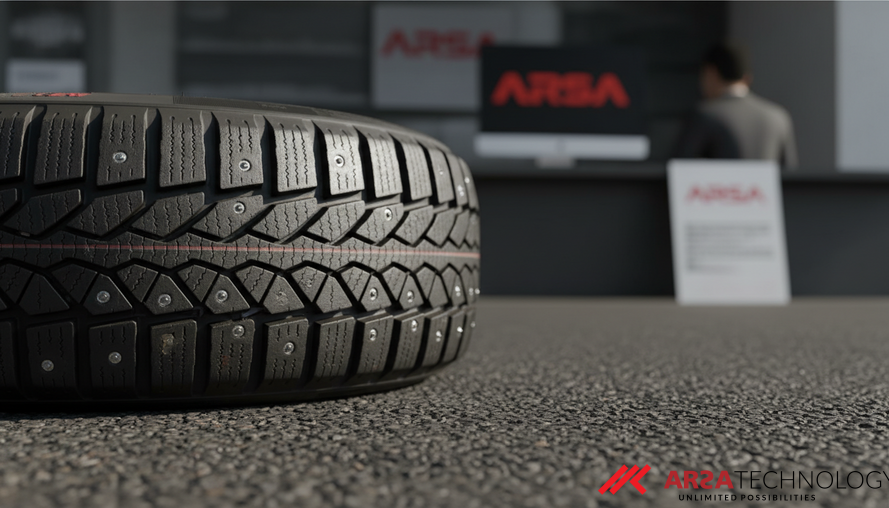
For drivers navigating the challenging conditions of winter, studded snow tires have long been the gold standard for unparalleled grip on ice and packed snow. While these tires offer an almost "invincible" sense of security in the most treacherous conditions, their widespread use has been hampered by significant drawbacks. Traditional studded tires are notorious for their considerable noise, accelerated wear on road surfaces, and the production of airborne particulate matter, which poses a serious public health concern. These issues have led to outright bans or strict seasonal regulations in many regions globally.
However, a groundbreaking innovation from Nokian, a Finnish tire manufacturer with a rich history dating back to the 1930s, promises to redefine winter driving. Their new Hakkapeliitta 01 tires introduce a novel, retractable stud technology that sounds straight out of a spy movie. This design aims to deliver the superior traction of studded tires when needed, while mitigating the environmental and acoustic penalties when driving on dry asphalt. This advancement could transform how we approach winter road safety and urban infrastructure preservation.
The Dilemma of Winter Driving: Balancing Grip with Impact
Conventional studded tires function by embedding small, hard-tipped studs, typically made of tungsten, into the tire tread. These studs bite into icy surfaces, providing crucial traction that rubber alone cannot achieve. This enhanced grip dramatically reduces braking distances and improves control in slippery conditions, making them a preferred choice for extreme winter environments. Yet, this performance comes at a substantial cost. Beyond the higher purchase price, the most significant issues are environmental and operational. The constant contact of metal studs with dry pavement creates a distinct, loud "popcorn" sound, making for an unpleasant driving experience. More critically, it causes significant damage to road surfaces, leading to costly maintenance, and generates fine particulate matter that is harmful to respiratory health.
These negative externalities have prompted governments and municipalities in various parts of the world to impose limitations. In some countries, like Japan, studded tires are entirely prohibited due to concerns over air quality. In other areas, their use is restricted to only the coldest months, forcing drivers to switch tires seasonally. This dilemma leaves drivers to choose between optimal safety and minimizing environmental and noise pollution.
Adaptive Stud Technology: Engineering for Smarter Mobility
Nokian’s Hakkapeliitta 01 tire presents a sophisticated solution to this long-standing problem through its adaptive stud technology. Instead of static, permanently protruding studs, the Hakkapeliitta 01 features studs equipped with an "adaptive base." This innovative design allows the studs to retract into the tire's tread when conditions don't require them, then extend outward when maximum grip is essential. This intelligent adaptation aims to marry the benefits of studded traction with the reduced impact of unstudded tires on bare roads.
The concept moves beyond simple on/off engagement. It's about dynamic responsiveness to real-time road conditions. This level of responsiveness in automotive components echoes the broader trend towards intelligent systems across various industries, where real-time data and adaptive behaviors enhance performance and safety. While this particular tire is a mechanical innovation, the principle of dynamic, condition-responsive hardware is a hallmark of the smart systems that companies like ARSA Technology have been experienced since 2018 in developing, extending intelligence to everything from AI Video Analytics for traffic management to IoT solutions for industrial automation.
How the Retraction Mechanism Works: Beyond Ambient Temperature
The ingenuity of Nokian’s retractable studs lies in their adaptive base, which responds to kinetic energy rather than solely ambient temperature. According to Mikko Liukkula, development manager at Nokian, the studs are typically extended when the vehicle is stationary. However, when the tire travels on dry asphalt at moderate to high speeds, the repeated friction between the studs and the road generates heat. This warmth softens the adaptive base, causing the studs to retract into the tire’s tread. Conversely, when driving over frozen surfaces like ice or compacted snow, the colder temperatures harden the adaptive base, ensuring the studs remain extended to provide optimal grip.
This intelligent mechanical design allows the tire to automatically switch between modes based on driving conditions, without requiring any driver intervention or external control. The focus is on ensuring peak performance and safety precisely when needed, while minimizing the negative effects during stretches of dry road, which, even in winter, account for a significant portion of driving – studies in regions like Minnesota show approximately 70% of winter driving occurs on dry asphalt.
Beyond Noise: Aiding Public Health and Infrastructure
The impact of this retractable stud technology extends far beyond a more comfortable, quieter ride. Nokian’s tests indicate a noise reduction of at least one decibel, a significant improvement that dramatically lessens the "popcorn" sound associated with traditional studded tires on dry pavement. However, the most profound benefits address critical environmental and public health issues:
- Reduced Road Wear: The Hakkapeliitta 01 offers a claimed 30% reduction in wear to dry roads compared to typical studded tires. This is crucial for municipalities and infrastructure managers, as less road damage translates to substantial savings in repair and maintenance costs.
- Improved Air Quality: Perhaps the most compelling benefit is the reduction in airborne particulate matter. When metal studs strike dry asphalt, they abrade the road surface and the studs themselves, releasing microscopic particles into the air. These particulates are a known contributor to respiratory illnesses, including lung cancer, globally. By retracting on dry roads, the Hakkapeliitta 01 significantly curtails this harmful emission, addressing a major public health concern that led to bans on studded tires in places like Japan.
This holistic approach to tire design demonstrates a commitment to sustainability and public welfare, highlighting how advancements in even seemingly minor components can have widespread positive repercussions.
Real-World Performance and Economic Considerations
Initial assessments and real-world testing have validated the Hakkapeliitta 01’s core claims. Early trials involving force gauge measurements showed that studs on a warm tire offered roughly half the resistance to compression compared to those on a cold tire, confirming the adaptive base's functionality. On the road, the difference in noise levels was immediately noticeable, with the characteristic studded tire sound dramatically reduced, only perceptible if actively listened for. The tires also maintained excellent grip in late-season flurries and felt more secure on wet surfaces, reinforcing their promise of winter driving confidence without the usual compromises.
While the exact pricing for the Hakkapeliitta 01 is yet to be fully released, it is expected to be at least comparable to its predecessor, the Hakkapeliitta 10, which retailed around $200 per tire for a 17-inch fitment. This places them at a premium over unstudded snow tires, which can be less than half the price. However, the decision to invest involves weighing this financial outlay against the improved quality of life (quieter drive), enhanced safety, and significant environmental and health benefits. For organizations and individuals prioritizing public health, road infrastructure longevity, and a superior driving experience, the premium may prove to be a worthwhile investment.
The Broader Implications for Vehicle Intelligence
The development of retractable studded tires underscores a broader trend in automotive engineering: the integration of intelligent, adaptive components into vehicles. Just as smart systems now optimize engine performance, manage climate control, or enable advanced driver-assistance features, adaptive tires represent another step towards fully intelligent vehicles that can dynamically respond to their environment. These innovations move us closer to a future where vehicle components work in concert with advanced sensing and AI systems to optimize safety, efficiency, and sustainability.
This aligns with the vision of companies like ARSA Technology, which specializes in leveraging AI and IoT to create smart systems. From deploying the ARSA AI Box Series for edge-based video analytics to providing custom AI solutions, the focus is on practical, deployed AI that delivers tangible benefits. Such smart infrastructure solutions can contribute to a future where vehicle-to-infrastructure communication might further enhance the intelligence of adaptive components, ensuring optimal performance and minimal environmental impact across all conditions.
Revolutionizing Winter Travel with Adaptive Technology
The advent of retractable studded tires marks a significant leap forward in winter driving technology. By effectively addressing the long-standing trade-offs between superior grip and environmental impact, Nokian’s Hakkapeliitta 01 tires offer a compelling vision for safer, quieter, and more sustainable winter travel. This intelligent adaptation not only enhances the driving experience but also contributes to better public health and reduced infrastructure maintenance costs, showcasing the power of innovation in solving complex real-world challenges.
To learn more about how intelligent technologies can transform operations and enhance safety across various industries, we invite you to explore ARSA Technology's solutions and contact ARSA for a free consultation.
Source: Tim Stevens, "These retractable studded tires might save our roads, ears, and lungs," The Verge, March 30, 2026.