Revolutionizing Aquaculture: Deep Learning for Automated Shrimp Quality Classification
Discover how deep learning and image recognition are transforming shrimp aquaculture by automating soft-shell classification, improving freshness, and boosting efficiency.

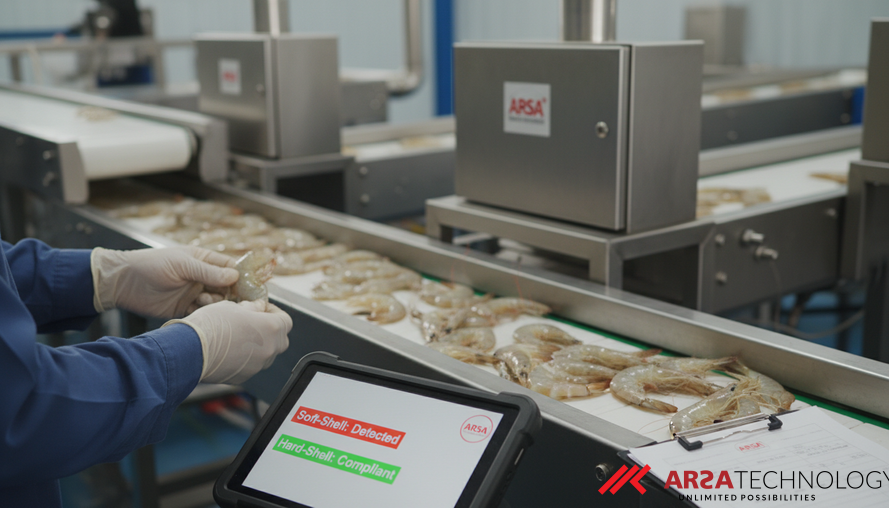
The Future of Aquaculture: AI-Powered Shrimp Classification
The aquaculture industry, a vital source of global food supply, has witnessed tremendous growth and transformation driven by technological advancements. With rising consumer demand for high-quality aquatic products, factors like freshness, appearance, and consistency have become paramount. However, traditional post-harvest processing, particularly for delicate products like shrimp, often faces significant challenges. Manual sorting methods are prone to human error, inconsistency, and can be time-consuming, negatively impacting product quality and market satisfaction.
To address these critical issues, cutting-edge innovations are emerging, leveraging the power of Artificial Intelligence (AI) and deep learning. Specifically, the application of image recognition technology, powered by Convolutional Neural Networks (CNNs), is set to revolutionize how shrimp are classified and processed immediately after harvest. This technological leap promises not only to enhance accuracy and efficiency but also to ensure a more consistent, higher-quality product for businesses and consumers alike.
Overcoming the Challenges of Manual Shrimp Sorting
For decades, the journey of shrimp from farm to plate has involved a complex, multi-stage process, with manual sorting being one of the most critical yet labor-intensive steps. Shrimp farmers typically harvest their stock and sell it to intermediaries, who then undertake the laborious tasks of cleaning, sorting, and freezing. During harvesting, shrimp can suffer minor damage, and natural growth variations lead to imperfections. The crucial classification stage, traditionally performed by hand, relies on human judgment for size and, more importantly, shell hardness.
The distinction of shell hardness is vital, especially for food processing companies that prioritize long-term preservation and product appearance. Soft-shell shrimp, often a result of their natural molting cycle, are particularly problematic. When frozen, they are prone to developing dents and deformities, severely diminishing their visual appeal. During cooking, soft shells offer less protection, leading to issues like head-body separation or the shell sticking to the meat, making peeling difficult and impacting consumer experience. These factors can lead to customer dissatisfaction and misperceptions about product quality.
Deep Learning: The Solution for Consistent Quality
The inherent variability in shrimp molting cycles means that individuals can be at different stages of shell hardening when harvested. This creates a "gray area" where manual sorting becomes subjective, with experts often having differing opinions. Such inconsistencies directly affect a business's ability to meet precise customer requirements, ultimately impacting brand reputation and consumer acceptance. This is precisely where deep learning-based image recognition steps in as a transformative solution.
By deploying a Convolutional Neural Network (CNN) model, a sophisticated type of deep learning algorithm particularly adept at analyzing visual data, the manual sorting process can be entirely replaced. A CNN works by learning directly from vast amounts of image data. When trained on images of both hard-shell and soft-shell shrimp, it identifies subtle visual characteristics—such as wrinkles, indentations, or how tightly the shell clings to the flesh—that even experienced human sorters might miss or interpret inconsistently. This allows for rapid, objective, and highly accurate classification. The integration of such technology helps businesses maintain optimal freshness by significantly reducing processing time, ensuring that shrimp transportation and processing businesses can meet market demands with unparalleled efficiency and consistency.
Practical Applications of AI in Seafood Processing
Implementing deep learning for shrimp classification delivers tangible benefits across the aquaculture value chain. Automated sorting ensures uniform product quality, reducing waste from misclassified shrimp and enhancing customer satisfaction. Beyond just soft-shell detection, this technology can be adapted for various quality checks, such as identifying physical imperfections, measuring size, and even detecting early signs of disease, contributing to overall better seafood management.
For businesses looking to integrate such advanced capabilities, solutions like the ARSA AI Box Series offer a plug-and-play approach. These edge computing devices can transform existing CCTV infrastructure into intelligent monitoring systems, providing real-time analytics without heavy reliance on cloud processing. This ensures maximum privacy and instant insights directly at the processing site. The system's high accuracy, often exceeding 99%, ensures reliable classification even in dynamic industrial environments.
Broader Impact of AI and IoT in Aquaculture
The application of AI-powered image recognition extends far beyond just shrimp classification. The broader aquaculture sector is ripe for digital transformation through AI and IoT. For instance, similar image recognition systems can be used to monitor fish populations in ponds, measure individual fish lengths, and track growth rates. This provides valuable data for optimizing feeding schedules, assessing overall fish health, and forecasting harvest yields more accurately.
Furthermore, IoT sensors can monitor environmental conditions like water quality, temperature, and oxygen levels in real-time. When combined with AI analytics, this data can predict potential issues, allowing farmers to intervene proactively and prevent losses. This proactive approach significantly reduces labor requirements and minimizes disturbances to the aquatic environment, leading to more sustainable and productive farming practices. ARSA Technology, experienced since 2018, offers expertise in integrating these complex solutions across various industries, including smart industrial automation and real-time video analytics.
Implementing AI for Smarter Seafood Operations
For businesses considering an upgrade to their seafood processing operations, the shift to AI-driven systems is a strategic investment that promises significant returns. The deployment process typically involves integrating AI models with existing camera infrastructure, configuring detection zones, and establishing a real-time dashboard for monitoring and reporting. This ensures that managers have instant access to critical data, enabling data-driven decisions that optimize operations, reduce costs, and enhance overall product quality.
The key to successful implementation lies in partnering with a technology provider that understands both the intricacies of AI and the practical realities of industrial environments. Companies like ARSA Technology specialize in tailoring AI Video Analytics solutions to meet specific operational challenges, providing robust, scalable, and privacy-compliant systems designed for high-performance processing. This ensures that the transition from manual, subjective sorting to automated, objective classification is smooth and impactful.
The integration of deep learning and image recognition for tasks like soft-shell shrimp classification marks a pivotal moment for the aquaculture industry. It moves beyond traditional methods to embrace precision, efficiency, and consistent quality, ultimately benefiting producers, distributors, and consumers.
Ready to explore how deep learning and AI video analytics can optimize your aquaculture or food processing operations? Discover ARSA’s intelligent solutions and contact ARSA team for a free consultation.