The Evolution of Automated Cleaning: Exploring Advanced AI and Robotics in Modern Vacuums
Discover how AI-powered robot vacuums like the Dreame L10s Pro Ultra are revolutionizing cleaning with advanced navigation, self-maintenance, and intelligent adaptability.

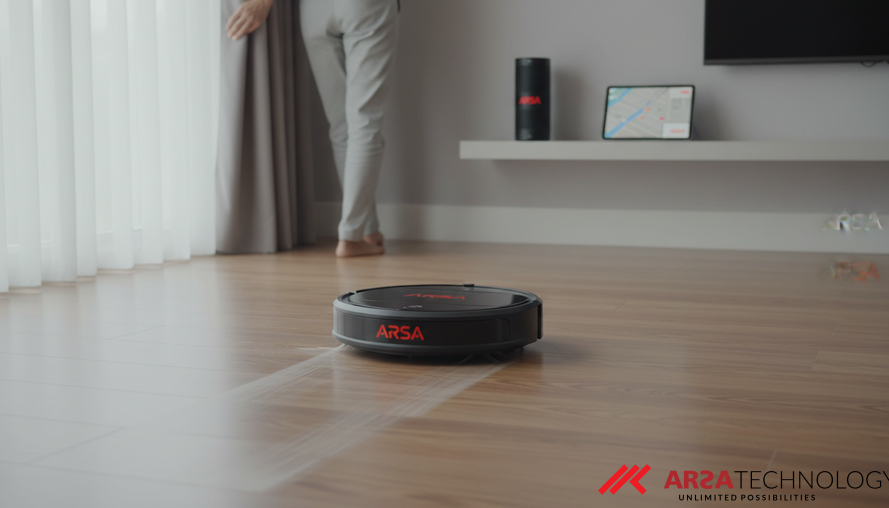
The landscape of home and commercial cleaning is undergoing a profound transformation, driven by rapid advancements in Artificial Intelligence (AI) and robotics. What once seemed like science fiction, autonomous cleaning devices are now becoming standard, offering unparalleled convenience and efficiency. These sophisticated machines leverage a blend of sensors, intelligent algorithms, and integrated systems to manage cleaning tasks with minimal human intervention. The advent of highly capable robot vacuums, exemplified by models like the Dreame L10s Pro Ultra, showcases how far this technology has come, making advanced cleaning accessible to a wider audience.
Originally highlighted in a report from The Verge, the Dreame L10s Pro Ultra recently garnered attention for its significant discount, making its advanced features more attainable. Beyond a simple price drop, this development underscores a broader trend: the increasing affordability and sophistication of AI-powered cleaning solutions. Such devices are not merely "robot vacuums" but rather integrated smart systems, often including self-cleaning docks and intelligent navigation, pushing the boundaries of what automated home maintenance can achieve.
The Pillars of Autonomous Cleaning: AI Navigation and Obstacle Avoidance
At the heart of any truly autonomous cleaning robot lies its navigation system, and modern devices like the Dreame L10s Pro Ultra utilize cutting-edge AI to achieve superior performance. Instead of random bumping and guesswork, these robots employ advanced mapping technologies such as lidar. Lidar, or Light Detection and Ranging, uses pulsed laser light to measure distances and create highly accurate 3D maps of a robot's surroundings. This enables the device to understand the layout of a space, plan optimal cleaning paths, and cover every area systematically.
Coupled with precise navigation is AI-powered obstacle avoidance. While older robot vacuums might struggle with stray cables or furniture legs, contemporary models integrate computer vision and AI algorithms to detect and circumvent a wide array of objects. This means fewer interruptions, less risk of damage to the robot or household items, and a more thorough cleaning cycle. The robot can dynamically adjust its path in real-time, learning from its environment and adapting to new clutter, ensuring a smooth and efficient operation even in complex or changing layouts. This level of environmental understanding is a direct benefit of robust AI integration, a capability that ARSA Technology frequently applies in its AI Video Analytics solutions for commercial and industrial monitoring.
The Rise of Self-Sustaining Robotics: Auto-Emptying and Mop Washing
One of the most significant advancements reducing the manual overhead of robot vacuums is the introduction of sophisticated self-cleaning docks. These docks transform the user experience by minimizing the need for constant supervision and maintenance. The Dreame L10s Pro Ultra, for instance, comes equipped with a dock that goes beyond simple charging. It can automatically wash its mops using hot water, which helps to sanitize and remove stubborn dirt, and then dry them with hot air to prevent mildew and odors. This ensures the robot always starts a new cleaning cycle with fresh, clean mops, enhancing hygiene and cleaning effectiveness.
Furthermore, these docks often include capabilities for automatic dustbin emptying and water tank refilling. The Dreame L10s Pro Ultra's dock can empty the robot's contents into a large 3.2-liter dust bag, allowing for up to 75 days of use without manual bag changes. It also refills the robot's water tank as needed, preparing it for its next mopping session. This full suite of self-maintenance features significantly reduces the interaction required from the user, turning what was once a semi-autonomous gadget into a truly low-maintenance appliance. Such self-sufficient systems mirror the kind of comprehensive automation sought in enterprise IoT deployments, aiming to minimize human intervention and maximize operational uptime.
Adaptive Cleaning: Tailoring Performance to Diverse Environments
Modern robot vacuums are not just smart in navigation; they are also intelligent in their cleaning approach. The integration of AI allows devices to adapt their cleaning strategies based on the specific characteristics of the area being cleaned. The Dreame L10s Pro Ultra exemplifies this by allowing users to select specific rooms for cleaning and then leveraging AI to adjust its cleaning parameters according to the room type and layout. For example, it might increase suction power in carpeted areas or employ a more meticulous mopping pattern in kitchens.
Moreover, these intelligent systems can detect persistent dirt and automatically revisit areas that require additional attention, ensuring a more thorough clean. The ability of the mop to lift itself when detecting carpets or to extend into edges and corners demonstrates a nuanced understanding of varying floor types and architectural challenges. With a respectable 7,000Pa of suction, devices like this excel at cleaning hard floors while also being capable on carpets. This adaptability is critical for both residential and commercial settings, where varied surfaces and cleaning needs are common. Businesses requiring similar intelligent automation and adaptive systems might explore ARSA’s AI Box Series, which offers plug-and-play edge AI solutions capable of localized, intelligent processing.
The Broader Implications for Enterprise and Commercial Use
While the Dreame L10s Pro Ultra is marketed primarily for residential use, the technological principles it embodies have significant implications for commercial and industrial sectors. The demand for low-maintenance, efficient, and intelligent cleaning solutions extends far beyond the home. In environments such as offices, retail spaces, hotels, and healthcare facilities, automated cleaning robots offer substantial benefits, including:
- Cost Efficiency: Reducing the reliance on manual labor for routine cleaning tasks, leading to long-term operational savings.
- Improved Hygiene: Consistent and thorough cleaning, especially with self-sanitizing mops, contributes to healthier environments.
- Enhanced Productivity: Freeing up human staff to focus on more complex or customer-facing tasks.
- Data-Driven Insights: The mapping and cleaning data collected by these robots can offer insights into facility usage patterns, traffic flow, and areas requiring more frequent attention, informing better facility management strategies.
Companies seeking to deploy similar advanced AI and IoT capabilities for their unique operational challenges can find a partner in ARSA Technology, experienced since 2018, which specializes in tailoring custom AI solutions for various industries. Whether it's enhancing security, optimizing operations, or creating new revenue streams, the underlying technologies that make smart robot vacuums so effective are directly transferable to a myriad of enterprise applications, from smart facility management to industrial automation.
The evolution of automated cleaning, spearheaded by devices like the Dreame L10s Pro Ultra, marks a significant step towards a future where technology seamlessly integrates into our daily lives, taking over mundane tasks and freeing up human potential. The principles of AI-driven navigation, self-maintenance, and adaptive intelligence are not just about cleaner floors; they represent a paradigm shift in how we approach efficiency and automation across all sectors.
To explore how advanced AI and IoT solutions can transform your operations and drive measurable outcomes, do not hesitate to contact ARSA for a free consultation.