The Evolution of Intelligent Audio: AI and Machine Learning in Next-Gen Earbuds
Explore how AI and machine learning are transforming earbuds with features like live translation, adaptive noise cancellation, and health monitoring, mirroring advancements in enterprise AI.

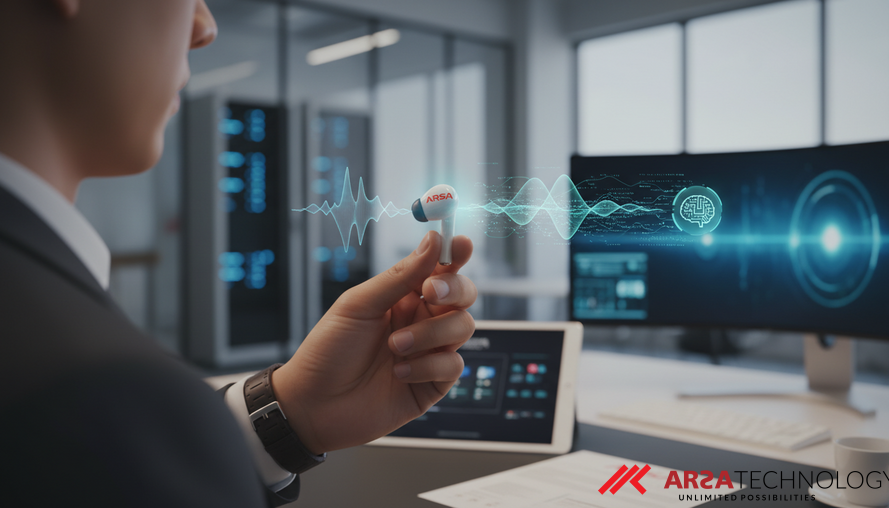
The landscape of personal audio is rapidly evolving, moving beyond simple sound reproduction to integrate advanced Artificial Intelligence and machine learning capabilities directly into compact devices. This transformation is best exemplified by high-end earbuds that now offer sophisticated features once thought impossible for their size, providing users with an unparalleled blend of convenience and intelligent functionality.
A recent article from The Verge, published on March 31, 2026, highlighted this trend by discussing the AirPods Pro 3, noting their availability during a major retail event for approximately $199. This pricing made advanced features more accessible, demonstrating how cutting-edge technology eventually becomes mainstream. The focus, however, wasn't just on the price, but on the powerful AI-driven capabilities packed into these devices, illustrating a clear path for future personal and enterprise technology.
The Dawn of Intelligent Audio: AI at Your Fingertips
At the heart of these advanced audio devices lies a powerful chip, such as Apple's H2, which serves as the brain for numerous AI-powered functionalities. This integration enables features that fundamentally change how users interact with their environment and communicate. One standout capability is live translation, allowing for real-time interpretation directly through the earbuds. This means language barriers can be significantly reduced during conversations, fostering global connectivity and ease of interaction in diverse settings.
Another pivotal AI feature is conversation awareness. This technology intelligently detects when a user is speaking or when someone nearby is addressing them, automatically adjusting audio levels or modes to facilitate clear communication without requiring manual intervention. These capabilities leverage complex AI algorithms to process audio streams in real-time, identifying vocal patterns and contextual cues to provide a seamless and intuitive user experience. Businesses seeking similar real-time audio processing for operational intelligence can explore solutions like ARSA AI API, which offers powerful backend processing for diverse AI applications.
Enhanced Audio Experience Through Machine Learning
Beyond translation and awareness, machine learning plays a critical role in refining the core audio experience. Voice Isolation technology, for instance, utilizes sophisticated machine learning models to differentiate between a user's voice and environmental background noise. This allows the system to isolate and enhance vocal clarity, ensuring that calls and voice commands are crystal clear even in noisy environments by effectively removing unwanted distractions. This is akin to the advanced noise reduction and object detection capabilities found in enterprise AI Video Analytics, which processes visual and sometimes audio data to extract meaningful insights.
Furthermore, these earbuds offer the highest caliber of active noise cancellation (ANC) and deliver rich, immersive sound quality. The design innovations, including features like an XXS ear tip size and a more comfortable, angled fit, enhance both sound delivery and user comfort. An IP57 rating for sweat and water resistance also makes these devices robust enough for demanding physical activities, showcasing the blend of sophisticated hardware and intelligent software in modern consumer tech.
Beyond Sound: Biometrics and Smart Integration
The integration of AI extends beyond audio processing to include health and fitness monitoring. Some advanced earbuds are equipped with a built-in heart rate sensor, enabling them to double as fitness trackers. This allows users to monitor metrics like calories burned across various workout types directly through their chosen health applications, offering a convenient alternative or supplement to dedicated wearables. The collection and analysis of such biometric data on the edge align with innovations seen in solutions like ARSA's Self-Check Health Kiosk, which autonomously monitors vital signs in public and corporate settings.
Crucially, the seamless integration with a broader technology ecosystem, such as Apple's, remains a key differentiator. Features like automatic device switching allow earbuds to intelligently connect to the active device, whether it's a smartphone, tablet, or computer. Additionally, a Find My-compatible charging case adds a layer of practical security, allowing users to locate their earbuds if misplaced. This level of system interoperability and robust device management is a benchmark for any advanced IoT deployment, be it consumer or industrial.
Deployment Flexibility: From Edge to Enterprise Solutions
The advancements in consumer AI devices like intelligent earbuds demonstrate a clear trend towards powerful on-device, or "edge," processing. By leveraging chips designed for AI tasks, these devices can perform complex computations locally, reducing latency, enhancing privacy by keeping data on the device, and decreasing reliance on constant cloud connectivity. This "edge AI" paradigm is not unique to consumer electronics; it’s a cornerstone of modern enterprise solutions.
For organizations requiring robust, on-premise AI processing with full control over data, ARSA Technology offers solutions that mirror these principles. Products like the ARSA AI Box Series provide pre-configured edge AI systems that process video streams locally, delivering real-time insights for applications ranging from industrial safety to smart retail analytics, without cloud dependency. This flexibility in deployment ensures that businesses can implement AI in a way that aligns with their architectural needs, data sovereignty requirements, and operational constraints.
The Future of Personal Audio and Enterprise AI
The continued evolution of intelligent audio devices underscores a broader technological shift: the pervasive integration of AI and machine learning into everyday objects. As these capabilities become more refined and affordable, they set new expectations for seamless, intuitive, and highly functional interactions across both consumer and enterprise domains. From translating languages in real-time to enhancing voice clarity and monitoring health, these innovations reflect a future where technology is not just assistive but truly intelligent.
For enterprises looking to harness the power of AI and IoT to drive efficiency, enhance security, or create new revenue streams, the lessons from consumer technology's integration of AI are invaluable. The demand for responsive, privacy-preserving, and highly integrated solutions will only grow, making partners with deep expertise in both edge and cloud deployments essential.
Ready to explore how advanced AI and IoT solutions can transform your operations? Contact ARSA today for a free consultation.