The Unseen AI Talent Crisis: Why Plumbers and Electricians Are Key to Digital Transformation
The global AI boom faces a critical challenge: a severe shortage of skilled tradespeople like electricians and plumbers needed to build and maintain data centers. Learn the implications for businesses.

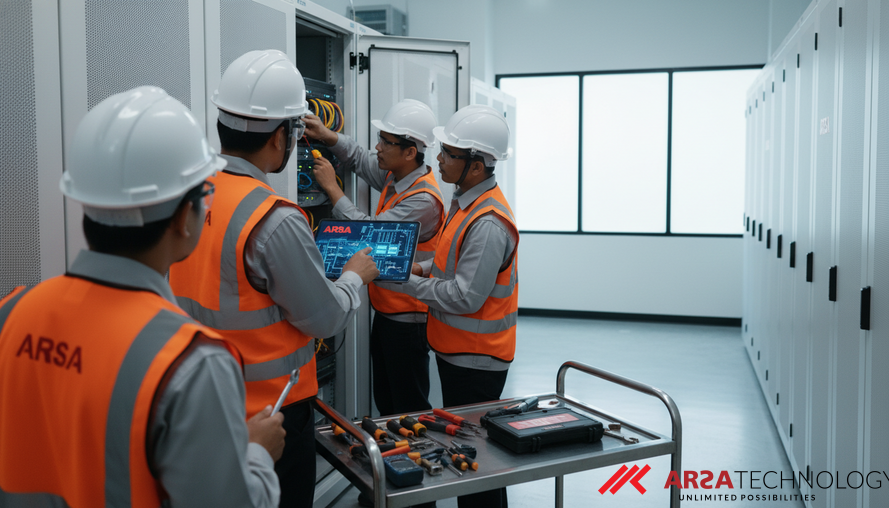
The Hidden Challenge Behind the AI Boom: A Global Talent Shortage
The rapid acceleration of Artificial Intelligence (AI) development, driven by industry giants and innovative startups alike, often focuses on the battle for top-tier researchers and software engineers. Companies like Meta and OpenAI are known for offering multi-million dollar packages to attract these brilliant minds. However, a less-discussed but equally critical "AI talent war" is unfolding on the ground: the escalating demand for skilled tradespeople such as electricians, plumbers, and heating and cooling technicians. These professionals are indispensable for building and maintaining the vast physical infrastructure – specifically data centers – that power the world’s AI. This shortage poses a significant bottleneck to digital transformation efforts globally, impacting industries far beyond technology.
The scale of this challenge is immense. In the United States, for instance, the Bureau of Labor Statistics anticipates an annual shortage of approximately 81,000 electricians between 2024 and 2034, underscoring a critical gap in the workforce. Employment for electricians is projected to grow by a robust 9% over the next decade, significantly faster than the average for all occupations. More concerning projections from a McKinsey study estimate that by 2030, the US will require an additional 130,000 trained electricians, alongside 240,000 construction laborers and 150,000 construction supervisors. These figures highlight a profound deficit in the human capital necessary to sustain the current pace of industrial and technological expansion.
The Data Center Effect: Fueling Unprecedented Demand
The sheer volume of new AI data center construction is a primary driver for this surge in demand for skilled labor. These facilities are not just large; they are incredibly complex, requiring specialized electrical, cooling, and plumbing systems to manage the immense power consumption and heat generation of AI servers. Trade unions, such as the International Brotherhood of Electrical Workers, report that individual data center projects often necessitate two, three, or even four times the number of workers currently available in some local affiliates. Similarly, the United Association, representing plumbers and pipefitters, notes that data center projects are currently the single largest employer for their members, surpassing all other industries.
The operational demands of AI are staggering. Running advanced AI models requires a massive amount of electricity, which, in turn, translates into an even greater need for robust power infrastructure. This ripple effect means that the growth of AI is directly proportional to the demand for skilled professionals capable of installing, connecting, and maintaining complex electrical grids, cooling systems, and specialized plumbing. For businesses embarking on digital transformation journeys, understanding this fundamental physical requirement is crucial. It dictates project timelines, budgets, and the overall feasibility of large-scale AI deployment.
Addressing the Skills Gap: Industry-Led Initiatives and Challenges
Recognizing this growing crisis, some leading tech companies are already taking proactive measures. Google, for example, has committed substantial resources to the Electrical Training Alliance, an organization focused on workforce development for electrical workers. This initiative aims to upskill 100,000 existing electricians and train 30,000 new apprentices by 2030, with an ambitious goal of increasing the size of the trade by an estimated 70% in the coming years. Such investments underscore the urgency and scale of the problem.
However, attracting talent to data center construction projects involves stiff competition. These developments must contend with other significant construction sectors, including residential housing, healthcare facilities, manufacturing plants, and energy infrastructure, all of which are already grappling with their own labor shortages. This highlights a systemic issue within the broader construction industry, where a long-standing shortage of skilled workers has been exacerbated by demographic shifts. Older, highly skilled professionals are now entering retirement, a phenomenon often referred to as the "silver tsunami," while fewer young people are pursuing vocational trades in favor of four-year college degrees. This generational shift has left a significant void in the expertise needed for complex industrial projects.
The Nuances of Data Center Construction and Training
While trade organizations like the Plumbing-Heating-Cooling Contractors Association (PHCC) are intensifying efforts to expand their workforce, the solution is not immediate. The unique demands of data center construction present specific training challenges. Although the core work of plumbing or electrical installation might be similar to other projects, data centers operate on incredibly strict schedules with minimal tolerance for delays or errors. Even minor mistakes can lead to costly setbacks. This high-stakes environment means that companies are less willing to expose apprentices to complex, active data center construction sites without extensive prior training.
Consequently, new recruits often require more rigorous, specialized training before they can be effectively integrated into such critical projects. This stricter vetting and extended training period, while necessary for quality and project integrity, can further slow down the onboarding process for new talent, creating a lag between demand and supply. Companies seeking to leverage advanced AI and IoT solutions must factor these realities into their strategic planning. Investing in comprehensive training programs or partnering with providers that understand these deployment complexities can mitigate risks and ensure smoother project execution. ARSA Technology, for instance, offers VR-Based Training for Industry, which can simulate high-risk work scenarios and complex operational procedures in a safe, virtual environment, accelerating skill development for critical infrastructure projects.
Navigating the Competitive Landscape and Future Outlook
The intense demand for skilled tradespeople in data center construction also creates a highly competitive labor market. These projects typically offer higher wages, often including significant overtime pay, due to their tight deadlines. This incentivizes skilled workers to switch employers, moving to where compensation and hours are most attractive. The competition for qualified electricians, plumbers, and HVAC technicians is fierce, particularly when major tech companies are involved. This dynamic can lead to significant cost implications for businesses developing or relying on AI infrastructure.
For certain applications, businesses can also explore edge computing solutions to reduce reliance on massive, centralized data centers. Technologies like ARSA's AI Box Series can transform existing CCTV cameras into intelligent monitoring systems, processing data locally and minimizing cloud dependency for specific analytical tasks, thereby potentially reducing the need for extensive new data center construction for certain deployments. Furthermore, integrating Industrial IoT & Heavy Equipment Monitoring can optimize existing infrastructure and reduce maintenance needs, easing the burden on skilled labor.
While the current boom in data center construction drives high demand, the long-term outlook remains uncertain. Once construction phases conclude, data centers typically require smaller, specialized crews for ongoing maintenance and operations. The question remains whether the robust demand for construction trades will persist indefinitely, especially if economic conditions shift. However, for now, businesses and government entities across various industries are facing the immediate challenge of securing the foundational human resources required to build the future of AI and IoT. This requires strategic foresight and adaptability to ensure digital transformation initiatives remain on track.
Understanding these foundational infrastructure and labor challenges is vital for any organization looking to thrive in an AI-powered world. To explore how ARSA Technology's integrated AI and IoT solutions can help your business navigate these complexities and drive impactful digital transformation, we invite you to contact ARSA for a free consultation.