Uber Expands ‘Go Electric’ Grant Nationwide: Accelerating the Shift to Electric Ride-Hailing
Uber's $4,000 'Go Electric' grant is now available to all eligible US drivers, incentivizing the switch to electric vehicles amidst rising fuel costs and ambitious carbon neutrality goals. Discover the details.

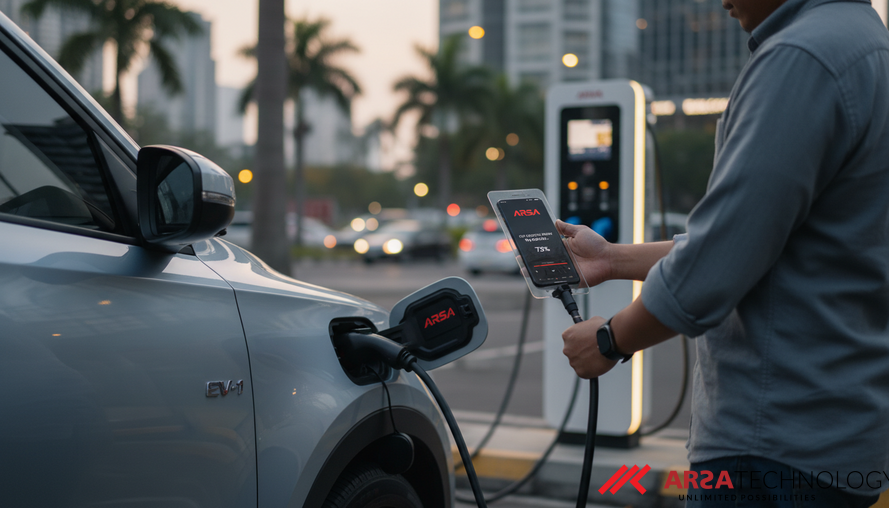
Driving Towards Electrification: Uber's Expanded 'Go Electric' Grant
Uber has announced a significant expansion of its "Go Electric" grant, making the $4,000 incentive available to eligible drivers across the United States. This initiative aims to encourage drivers to transition from traditional gasoline-powered vehicles to electric alternatives, marking a nationwide rollout of a program previously confined to a few select regions. The move underscores Uber's strategic commitment to sustainability while addressing the evolving economic landscape for its vast network of drivers.
The expansion comes at a critical juncture, with global events impacting fuel prices and increasing the operational costs for gig economy drivers. By offering a direct financial incentive, Uber seeks to alleviate some of these burdens, making the shift to electric vehicles (EVs) a more attractive and viable option for independent contractors who are particularly susceptible to fluctuations in gas expenses. This direct approach reflects a recalibration of strategies to accelerate EV adoption within the ride-hailing sector, building on insights gained from earlier, limited deployments of the grant.
The Strategic Shift: From Regional Pilot to National Initiative
Initially, Uber's "Go Electric" grant was a pilot program, offered only to drivers operating in specific US locations, namely California, Colorado, Massachusetts, and New York City. The success and learnings from these initial deployments evidently convinced the company of the program's potential for broader impact. The decision to expand eligibility to drivers nationwide, effective with applications beginning April 16th, 2026, signals a bolder commitment to fleet electrification.
This nationwide expansion is a direct financial injection designed to overcome the common barriers drivers face when considering an EV. The $4,000 grant is specifically for drivers who wish to trade in their current internal combustion engine vehicles for an eligible electric model. This kind of upfront financial assistance can be crucial in bridging the cost gap between gasoline and electric cars, especially for individuals whose livelihoods depend on their vehicle's operational efficiency. Drivers can register for the grant on Uber's official website.
Economic Impetus and Industry Challenges for EV Adoption
The timing of Uber's announcement is particularly noteworthy, coinciding with a period of rising gas prices. The source article notes that these price increases have been a steady trend since recent geopolitical events involving the US, Israel, and Iran last month, directly impacting the take-home pay of Uber drivers. For these drivers, fuel costs represent a significant operational expense, and any increase directly translates to reduced net earnings. The "Go Electric" grant offers a tangible solution to mitigate this financial vulnerability.
However, the path to widespread EV adoption is not without its obstacles. The withdrawal of federal incentives has complicated matters. Previously, drivers could benefit from a $7,500 tax credit for new EV purchases and a $4,000 credit for used ones. The absence of these substantial government subsidies has made the financial decision to switch to an EV more challenging for many. Uber's $4,000 grant attempts to fill part of this void, making the economic calculus more favorable for drivers despite the diminishing federal support.
Uber's Ambitious Carbon Neutrality Goals and the Road Ahead
The grant program is a key component of Uber's broader environmental objectives. The company, which has been experienced since 2018 in developing technology solutions, first announced its ambitious goal in 2020: to achieve complete carbon neutrality in North America and Europe by 2030, and across all global markets by 2040. Meeting these targets requires a significant shift towards electric vehicles within its fleet. The current figure of 286,000 EV drivers globally, while substantial, remains short of the ultimate scale needed to realize these sustainability ambitions.
Uber's strategy has evolved since its initial declaration, which did not include direct financial payments to drivers for EV transitions. Recognizing the need for accelerated adoption, the company reversed this stance, moving towards direct financial incentives. This adaptation reflects the practical realities of motivating a large, independent workforce. Alongside the financial grant, Uber has also engaged in direct partnerships with automakers to secure exclusive discounts for its drivers, further sweetening the deal.
Powering the Transition: Manufacturer Partnerships and Future Prospects
Strategic alliances with automotive manufacturers are becoming increasingly vital for accelerating fleet electrification within the ride-hailing sector. These collaborations enable Uber to offer exclusive benefits that go beyond generic market incentives, directly impacting the affordability of EVs for its drivers. For instance, the specified discounts from Kia include $1,000 off for the Kia Niro and EV6, and $1,500 off the EV9, making popular EVs more accessible and lowering the upfront investment hurdle. Additionally, Uber drivers who purchase a new or used EV through TrueCar can receive an extra $1,000 discount. This model of collaboration is likely to become a blueprint for other ride-hailing companies aiming for similar environmental goals.
Despite these proactive measures, Uber has also faced regulatory and economic pressures. The company is reportedly pushing back against a California measure that mandates a higher percentage of EV ride-hailing trips. Furthermore, it has discontinued previous incentives like $1-per-trip bonuses for EV drivers and passenger fees intended to support new EV purchases. These adjustments suggest a refining of its incentive structure towards a more focused, one-time grant model and direct manufacturer discounts, perhaps to maximize impact while managing overall program costs. The effectiveness of this refined strategy will be closely watched as the company progresses towards its aggressive carbon neutrality deadlines.
The Broader Impact: How AI and IoT Enhance Electric Fleets
Beyond direct financial incentives, the long-term success of large-scale EV adoption in ride-hailing will increasingly rely on advanced technologies like Artificial Intelligence (AI) and the Internet of Things (IoT). These technologies can play a transformative role in optimizing the operation of electric fleets, from intelligent charging solutions to predictive maintenance and route optimization. For instance, AI algorithms can analyze real-time traffic data, driver behavior, and charging station availability to recommend optimal routes and charging stops, thereby maximizing an EV's range and minimizing downtime.
IoT sensors integrated into electric vehicles and charging infrastructure can provide critical data for fleet managers. This data can inform predictive maintenance schedules, monitor battery health, and even manage energy consumption across a network of charging points, ensuring operational efficiency and reliability. Solutions like ARSA's AI Box Series or AI Video Analytics could, for example, be adapted to monitor charging station usage, identify potential bottlenecks, or enhance security at public charging hubs. Such intelligent systems are crucial for making electric ride-hailing both sustainable and economically viable on a global scale. Leveraging solutions that offer full control over data and privacy is paramount for effective implementation.
Conclusion
Uber's national expansion of its "Go Electric" grant marks a significant step in its journey towards a fully electric fleet, offering a tangible financial boost to drivers navigating the transition. While challenges remain, particularly concerning broader incentive structures and operational adjustments, the company's commitment to sustainability and driver support is evident. As the ride-hailing industry continues its evolution, the integration of advanced AI and IoT solutions will be instrumental in not only accelerating EV adoption but also in creating truly smart, efficient, and environmentally friendly transportation ecosystems.
To explore how AI and IoT solutions can transform your operations and drive sustainable growth, contact ARSA for a free consultation.
Source: Hawkins, Andrew J. “Uber expands its $4,000 ‘Go Electric’ grant to drivers nationwide.” The Verge, April 2, 2026. https://www.theverge.com/transportation/905427/uber-go-electric-grant-driver-switch-ev