Advancing Enterprise Operations: Leveraging Next-Gen Consumer Tech for Industrial AI & IoT Integration
Explore how innovations in popular consumer electronics, like Apple's latest devices, reflect broader advancements in edge computing, AI, and IoT, driving critical opportunities for enterprise digital transformation and operational efficiency.

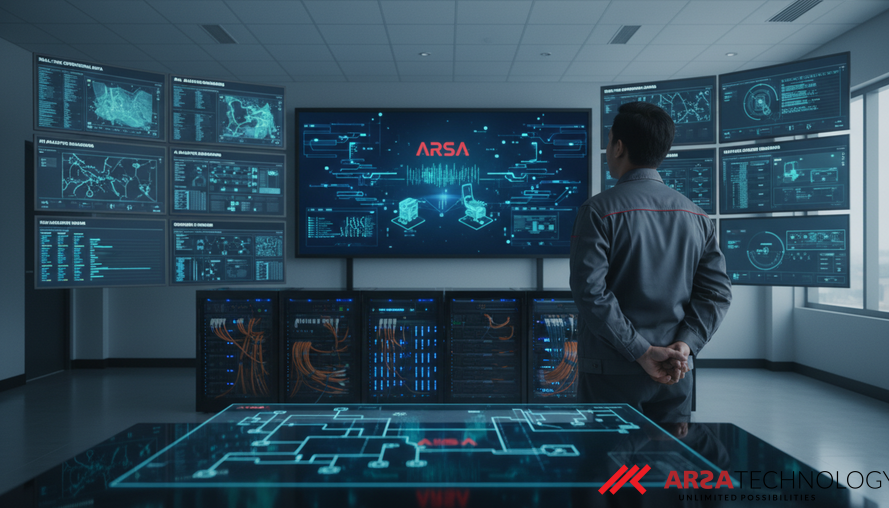
While the consumer market frequently highlights sales events for popular electronics, such as Amazon's Big Spring Sale mentioned by Sheena Vasani in The Verge (Source: The Verge), these moments also serve as a valuable indicator of broader technological advancements. The consistent evolution in devices like Apple's MacBooks, iPads, and wearables reflects deeper trends in processing power, connectivity, and on-device AI capabilities that hold significant implications for enterprise-level AI and IoT deployments. For businesses operating in demanding environments, understanding these underlying technological shifts is crucial for strategic digital transformation.
The Power of Edge Processing and Advanced Connectivity
Modern consumer devices are increasingly equipped with powerful custom silicon, such as Apple's M-series chips, which deliver exceptional performance with high energy efficiency. This trend toward robust on-device processing, or "edge computing," is not just for consumers; it's a cornerstone for next-generation enterprise AI and IoT solutions. Edge computing allows data processing to happen closer to the source, reducing latency, improving real-time decision-making, and enhancing data privacy by minimizing transfer to centralized cloud servers. This capability is paramount for industrial applications where immediate responses are critical, such as in manufacturing automation, smart city traffic management, or real-time security monitoring.
Furthermore, the adoption of advanced wireless standards like Wi-Fi 7, Bluetooth 6, and Thread in newer devices underscores a push for faster, more reliable, and interconnected ecosystems. For enterprises, these technologies facilitate more robust IoT deployments, enabling seamless communication between thousands of sensors, devices, and control systems. This enhanced connectivity is vital for creating truly intelligent environments that can adapt and respond dynamically, paving the way for more sophisticated predictive maintenance, resource optimization, and autonomous operations. ARSA Technology, for instance, develops solutions like the AI Box Series, which leverages edge computing to deliver real-time AI intelligence directly where it's needed, turning passive CCTV into active operational assets.
Wearable Technology and Workforce Intelligence
The evolution of wearables, exemplified by the Apple Watch, showcases their increasing utility beyond personal fitness. Features such as advanced health monitoring, improved durability, and robust connectivity make them potential tools for enterprise applications. In industrial settings, wearables can play a significant role in workforce safety, providing real-time alerts for hazardous environments, monitoring vital signs of personnel in high-risk jobs, or tracking movement within restricted zones. For example, a smart watch could integrate with an IoT platform to notify workers of gas leaks or provide navigation assistance in complex factory layouts.
Integrating such wearables into a comprehensive IoT strategy can provide invaluable data for optimizing workflows, ensuring compliance with safety protocols, and enhancing overall operational awareness. The ability of these devices to operate reliably in challenging conditions and communicate data securely is a critical consideration for enterprises. For health-focused applications, ARSA offers the Self-Check Health Kiosk, demonstrating how advanced, autonomous health screening can be deployed in workplaces and public facilities, mirroring the trend of on-demand health insights.
Tablets as Industrial Interfaces and Data Hubs
Tablets like the iPad Air and iPad Pro, with their increasingly powerful processors and vibrant displays, are transitioning from personal entertainment devices to powerful tools for industrial and enterprise use. These devices can serve as intuitive interfaces for monitoring complex systems, visualizing real-time data from AI Video Analytics, or controlling machinery on factory floors. Their portability and long battery life make them ideal for field engineers and technicians who need immediate access to critical information, schematics, or diagnostic tools.
The processing capabilities of the M-series chips mean that these tablets can handle significant on-device data analysis, reducing reliance on constant cloud connectivity and improving responsiveness. For instance, a ruggedized tablet could run specialized AI applications for on-site quality control inspections or display advanced dashboards for logistics and supply chain visibility. The integration of advanced peripherals, like the Apple Pencil Pro, also enhances their utility for precise annotation, design, and data entry in professional contexts.
High-Performance Computing for Enterprise Agility
The performance leaps seen in MacBooks, particularly those powered by M-series Pro/Max chips, highlight the diminishing gap between traditional workstations and highly portable professional tools. For enterprises, this means powerful computing capabilities are becoming more accessible and versatile. These laptops can serve as robust mobile workstations for data scientists developing AI models, engineers running complex simulations, or creative professionals producing high-fidelity content, all while maintaining exceptional battery life and security.
The ability to perform intensive tasks locally, rather than solely relying on cloud infrastructure, offers significant advantages in terms of data sovereignty, compliance, and cost efficiency. For organizations that prioritize full control over their sensitive data and require robust, secure environments, ARSA offers on-premise AI video analytics software that runs on existing enterprise infrastructure, providing a powerful, self-hosted solution for real-time operational intelligence.
Precision Tracking and Asset Management
Technologies like Apple AirTags, utilizing Ultra-Wideband (UWB) technology, demonstrate the growing potential for precise asset tracking. While marketed for finding lost personal items, the underlying UWB capability offers substantial benefits for enterprises in logistics, warehousing, and smart facility management. In these sectors, accurate real-time location tracking of equipment, inventory, or even personnel within large, complex spaces can dramatically improve operational efficiency, reduce loss, and enhance safety.
By integrating UWB with broader IoT platforms, companies can gain granular visibility into their assets, automate inventory management, optimize material flow, and even guide autonomous vehicles. This level of precision tracking moves beyond traditional GPS, offering centimeter-level accuracy indoors and in dense environments where satellite signals are often unreliable, paving the way for smarter, more responsive supply chains.
Strategic Implications for Enterprise AI & IoT
The advancements in consumer electronics, driven by miniaturization, powerful chips, and advanced wireless technologies, serve as a blueprint for what's possible in the enterprise. For organizations considering digital transformation through AI and IoT, these trends underscore several key strategies:
- Embrace Edge AI: Leverage on-device processing to reduce latency, improve real-time decision-making, and enhance data privacy.
- Prioritize Connectivity: Invest in robust, modern wireless infrastructure to support a vast network of interconnected IoT devices.
- Focus on Data Sovereignty: Choose deployment models that allow full control over sensitive operational and biometric data, especially for regulated industries.
- Opt for Integrated Solutions: Seek partners that can deliver end-to-end solutions, from hardware to AI models to application development, ensuring seamless integration and measurable ROI.
ARSA Technology, with expertise since 2018 in developing and deploying practical AI and IoT solutions, understands the critical balance between cutting-edge technology and operational realities for various industries.
To explore how these advanced technological capabilities can be tailored to meet your specific enterprise challenges and drive measurable business outcomes, we invite you to explore ARSA's solutions and contact ARSA for a free consultation.