AI-Powered Nutrition Apps: Unveiling the Potential and Pitfalls of Data-Driven Eating
Explore how AI and computer vision in food-tracking apps enhance nutrition awareness and accountability. Discover their benefits, technical challenges, and the importance of balanced data interpretation.

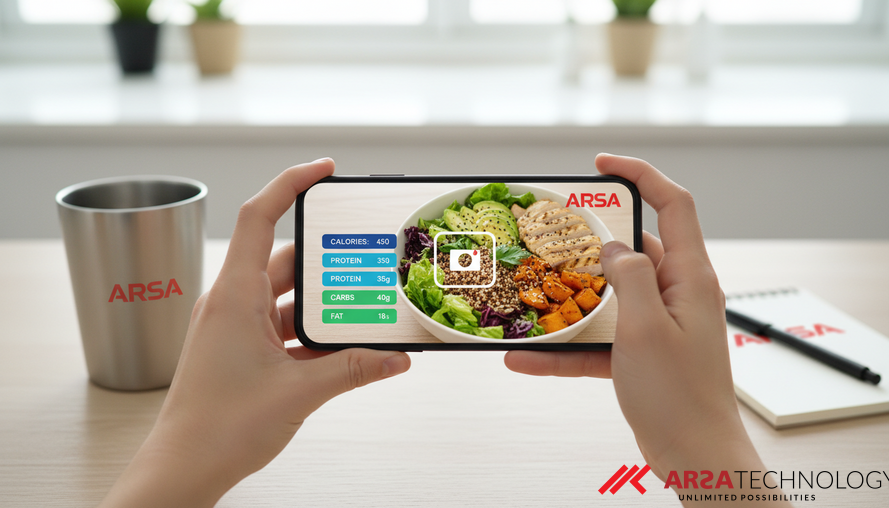
In an increasingly fast-paced world, maintaining optimal health and nutrition can be a significant challenge. For busy professionals and individuals alike, remembering daily food intake or hydration levels often falls by the wayside. Fortunately, the advent of sophisticated food-tracking applications, frequently powered by artificial intelligence (AI) and computer vision, offers a compelling solution to bridge these memory gaps and guide users toward healthier lifestyles.
Initially, the concept of meticulously logging every bite might seem daunting. However, exploring applications like BitePal, Hoot, Lose It!, and MyFitnessPal reveals a nuanced approach to daily dietary management. These tools aim to demystify personal nutrition, providing a clearer understanding of eating habits and their impact. According to Meridan Zerner, a registered dietitian, the primary advantage of these apps lies in fostering awareness and accountability regarding consumption. In our demanding lives, they provide a crucial pause, encouraging intentionality around meals and offering actionable feedback. This feedback, whether highlighting a lack of fiber or iron, enables users to adapt their dietary choices, a significant benefit given that individuals commonly underestimate their food intake by 20 to 50 percent, as noted by Zerner. This underscores the transformative potential of data-driven insights in personal health management, reflecting a broader trend in how technology, including AI and IoT, is being integrated into various industries to enhance operational intelligence and decision-making.
The Foundation of Digital Nutrition Tracking
Getting started with most food-tracking applications involves a personalized setup process. Users typically input fundamental data such as current weight, height, and specific dietary objectives—whether that’s weight loss, maintenance, or gain. The financial model for these apps varies, with some offering basic food logging for free while reserving advanced features like detailed nutrient analysis or specialized coaching for premium subscriptions, which can range from approximately $35 to $80 per year. Beyond basic measurements, several apps delve deeper, requesting information on activity levels, specific dietary preferences (e.g., vegan versus meat-eater), and even sleep quality, demonstrating a holistic view of user health.
Upon compiling this initial data, each app generates an estimated daily calorie requirement. While this immediate quantification can be exciting, a critical observation emerges: the calorie recommendations often vary significantly across different platforms, even when based on identical user profiles. This disparity highlights a fundamental limitation, as these applications rely on generalized equations that cannot account for individual biological nuances such as hormonal balances, bone density, or genetic predispositions. As Zerner explains, these equations offer predictions, but a licensed dietitian can conduct a resting metabolic rate test to ascertain an individual's precise caloric burn rate, which may or may not align with algorithmic predictions. This variability underscores the ongoing challenge in AI and data science to personalize recommendations for individual users when faced with complex, non-standardized biological data. Custom AI solutions, like those provided by ARSA Technology, are often developed to address such requirements for precision and contextual understanding in specific enterprise applications.
Leveraging AI and Computer Vision for Dietary Analysis
As users progress through their day, they log meals and snacks, enabling the apps to calculate calorie intake, macronutrient distribution (e.g., protein versus fiber), total calories consumed, and remaining calories to meet daily goals. A significant leap in convenience comes from AI-powered features that integrate with the phone's camera. Users can simply snap a photo of their meal, and the app employs computer vision to estimate the dish's caloric content and nutrient breakdown. This capability, while innovative, is still in its nascent stages of development and often demonstrates considerable discrepancies between apps. For instance, an identical Mediterranean bowl might be estimated at 1,000 calories by one app and significantly higher by another, necessitating manual verification and adjustment by the user.
Such variability in AI-driven estimation points to the inherent complexities of training robust computer vision models for food recognition. Factors like ingredient variations, portion sizes, preparation methods, and even presentation can dramatically influence actual nutritional value, making accurate, real-time assessment a challenging task. Despite these hurdles, the potential for AI in identifying and analyzing objects, behaviors, and patterns from visual data remains immense. ARSA Technology, for example, specializes in advanced AI Video Analytics, leveraging computer vision for critical applications such as safety compliance monitoring, vehicle classification, and crowd analysis, demonstrating the powerful capabilities of this technology when deployed with precision.
Beyond Calories: Insights, Challenges, and a Balanced Approach
The true value of these apps extends beyond mere calorie counting to fostering a more holistic awareness of dietary habits. Users often discover patterns, such as a tendency to consume more carbohydrates than protein or a decline in water intake throughout the day. App-generated reminders serve as gentle nudges, encouraging better hydration and more balanced meal choices. This proactive feedback can transform passive eating into an intentional, data-informed process, enhancing overall wellness.
However, a notable downside often arises for individuals prone to perfectionism. An intense focus on achieving daily calorie and nutrient targets can lead to an unhealthy obsession with food tracking. As Meridan Zerner observes, this "black-and-white thinking" can increase anxiety, reinforce perfectionist tendencies, and lead to an unhealthy moralization of foods as "good" or "bad." Such an approach, according to Levinstein, a registered dietitian and eating disorder specialist, is detrimental because all essential nutrients—calories, carbohydrates, proteins, fats—are vital for bodily function. Real-life nutrition, Zerner wisely advises, must operate in "the gray space," accepting that some days might involve slightly higher or lower intake without signaling failure.
While consistent tracking may not be suitable for everyone due to these psychological risks, the apps still offer valuable insights for intermittent use. Features like barcode scanning on food packages provide a more accurate and efficient way to log packaged items. The lesson is not to abandon these tools but to use them judiciously—as one of many resources in a comprehensive health strategy. The core takeaways from using such applications include increasing water consumption, balancing macronutrient intake, recognizing the hidden calories in seemingly healthy additions like butter or mayonnaise, and cultivating a balanced perspective that avoids addictive calorie counting.
These AI-powered nutrition apps represent a significant step in personal health technology. By offering a "good snapshot" of dietary habits, they empower users to learn, adapt, and build healthier routines. Just as ARSA Technology leverages AI and IoT for robust enterprise solutions, the future of personal wellness increasingly depends on intelligent tools that provide actionable insights while emphasizing a balanced, human-centered approach.
Source: I Learned More Than I Thought I Would From Using Food-Tracking Apps
Explore how ARSA's enterprise AI and IoT solutions can bring similar data-driven intelligence and operational efficiency to your organization. To discuss your specific needs and learn more about our expertise, contact ARSA today for a free consultation.