
SERVICES / COMPUTER VISION
Custom Computer Vision Development
Detection models trained on your conditions, not on a public dataset that resembles them. Deployed at the edge, integrated into the systems your operators already use.






STRATEGIC CONTEXT
Why Vision Projects Fail
What goes wrong
- A model validated on public data, deployed into conditions it never saw
- Cameras positioned for human review, not for machine detection
- No integration path into the systems operators actually use
- No owner for accuracy after handover, and drift nobody measures
What we do instead
- Assess site conditions before proposing an approach
- Specify camera position, resolution, and lighting as part of the design
- Design the integration path before building the model
- Contract the support and update cadence that keeps accuracy from drifting
See How AI Video Analytics Perform in Real Environments
Real deployments. Real CCTV footage. Real analytics
WHAT WE BUILD
Core AI Capabilities
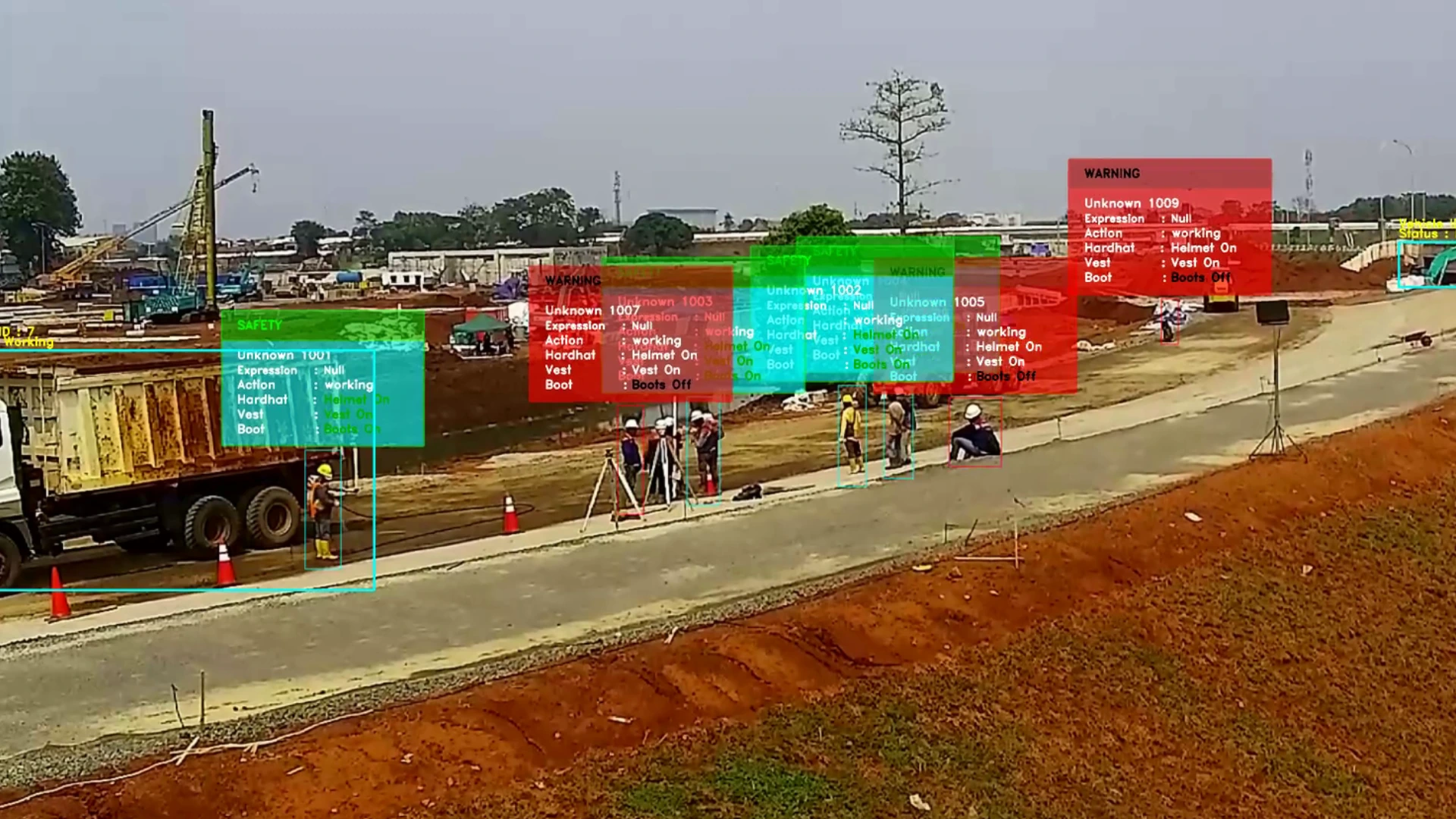
Custom Detection Models
Classes, conditions, and failure modes specific to your site. Trained on your footage where that produces the accuracy difference, which is most of the time.
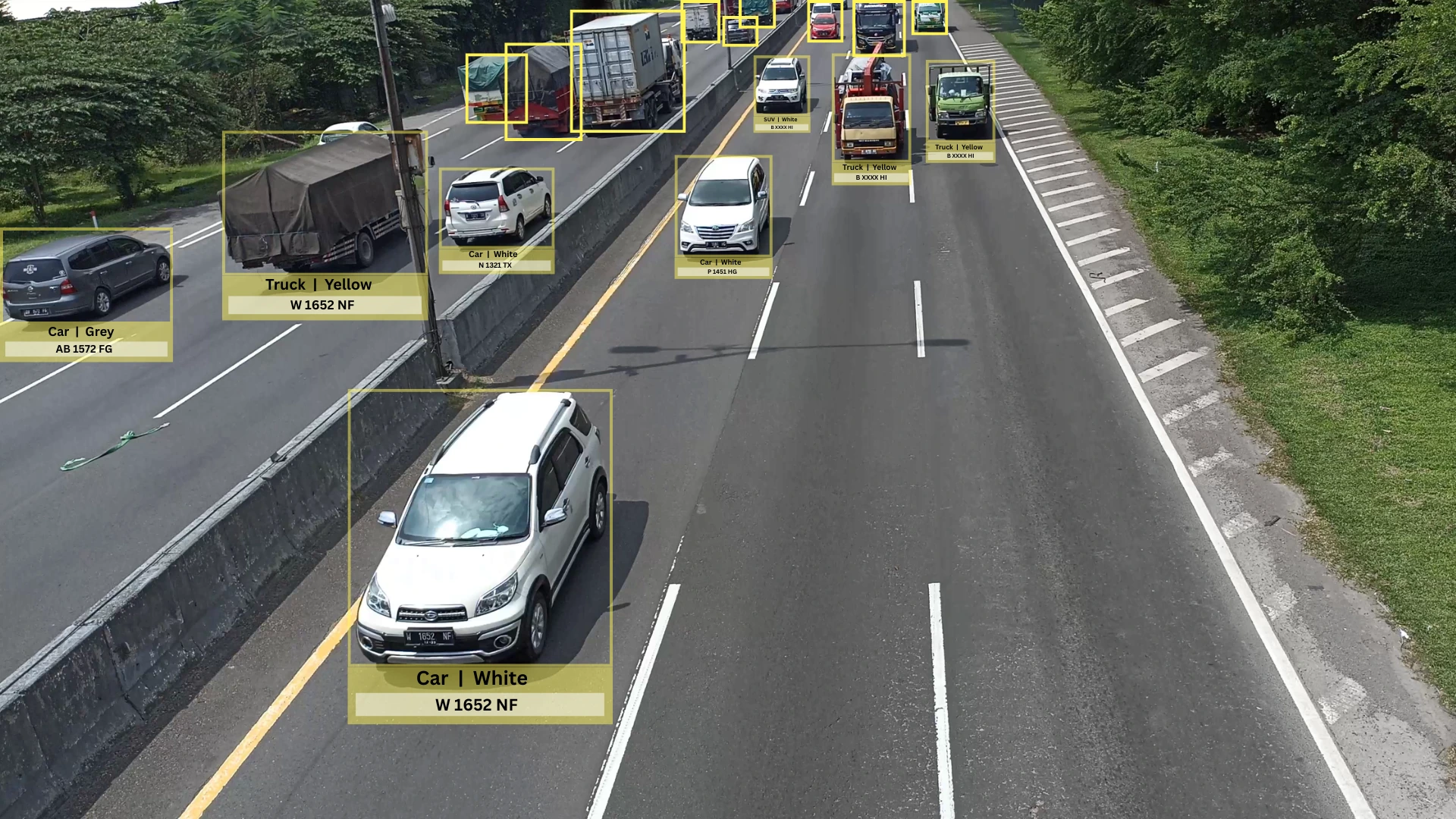
Licence Plate and VIN Recognition
Plate reading and tamper detection, deployed for national police vehicle registration operations.
Video analytics integration
Detection results routed into VMS, access control, ERP, and alerting, so the output reaches the person who can act on it.
Edge Deployment and Optimisation
Models compiled and tuned for the hardware you have, not the hardware we would prefer you had.
TIERS
Engagement
| Stage | From | Duration |
|---|---|---|
| Feasibility assessment | $4,500 | 2 weeks |
| Pilot deployment | $20,000 | 8 weeks |
| Production programme | $60,000-$300,000+ | 12 weeks+ |
What Determines Payback
- How much of the task is currently manual, and at what labour cost
- Whether the outcome is cost avoidance or revenue, and how directly it is attributable
- How many sites the same model serves once it is built
- Whether existing cameras and network meet the specification, or need capital work
- The support and update cadence required to hold accuracy over time
Deployment References

Restricted Area Protection System
Ministry of Defense, Republic of Indonesia
Facial recognition perimeter security deployed at Indonesia’s Ministry of Defense installations, combining millisecond biometric authentication with threat detection.

License Plate Recognition & VIN Tamper Detection
National Police, Republic of Indonesia
Licence plate recognition and VIN tamper detection for physical vehicle registration checks. Manual inspection replaced with automated forensic verification.
FAQ
Computer Vision Service Questions
Can you train a model on our own footage?
Yes, and for most operational deployments that is what produces the accuracy difference. Data volume, labelling, and confidentiality terms are agreed at the feasibility stage.
Who owns a model trained on our data?
Agreed before work starts. Your data remains yours in every case. A model trained exclusively on your data for your use case is typically yours to use; the base architecture and pretrained weights remain ARSA’s.
Can the model run on hardware we already have?
Usually. Target hardware is a design input, not an afterthought. If your existing compute is insufficient we will say so in the assessment rather than after the build.
How long from assessment to a working pilot?
Two weeks for the assessment, then typically eight weeks to a pilot running on a bounded scope with measurable results.
What happens if the assessment concludes the project is not viable?
You get the reasoning in writing and you do not proceed. That outcome is a successful assessment. It costs $4,500 and it saves a project budget.
Do you work with clients outside Indonesia?
Yes. Prices are international list in USD; invoicing is available in USD and EUR. Delivery outside Indonesia is either by travelling ARSA engineers or through a supervised local partner, depending on visa conditions.