Amazon's AI Price History Expands to a Full Year: What It Means for Consumers and E-commerce
Amazon's built-in AI price tracking now offers a full year of data, enhancing consumer transparency. Explore the implications for e-commerce, dynamic pricing, and regulatory scrutiny.

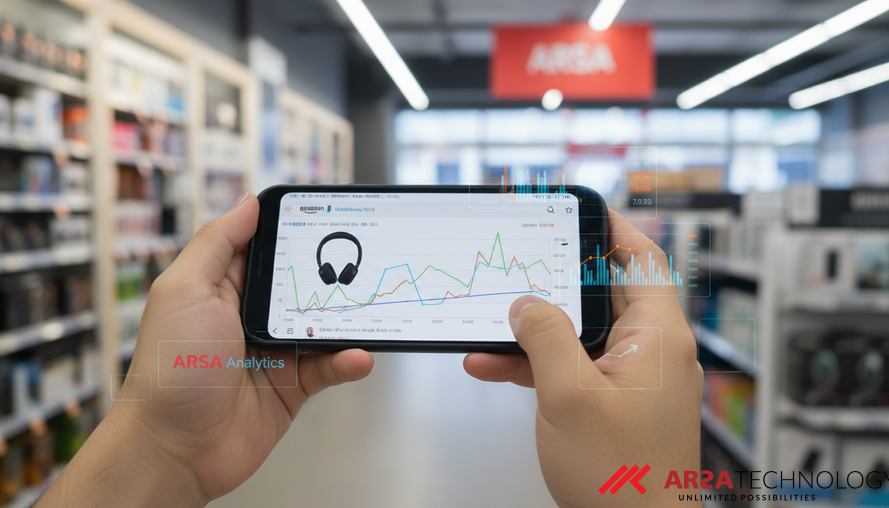
The digital retail landscape is constantly evolving, with artificial intelligence (AI) playing an increasingly central role in shaping consumer experiences. In a significant update, Amazon has expanded its popular built-in price history feature, offering users the ability to track a product's price fluctuations over an entire year, a substantial increase from its previous 30- and 90-day limitations. This enhancement, initially reported by Emma Roth of The Verge on May 1, 2026, marks a pivotal step towards greater price transparency in one of the world's largest e-commerce platforms.
For many online shoppers, the decision to purchase is heavily influenced by price. Understanding whether a deal is truly a deal requires historical context, and Amazon's expanded tool provides just that. Users can access this information directly through the Amazon app by selecting the "Price history" button next to an item's price or by interacting with Amazon's AI assistant, Rufus. This move empowers consumers to make more informed buying decisions, potentially influencing their purchasing behavior during major sales events.
The Power of Price Transparency in Modern Retail
Price tracking tools have become invaluable resources for consumers navigating the often-complex world of online shopping. Before Amazon’s integrated solution, many relied on third-party browser extensions or websites like CamelCamelCamel and Keepa to monitor price changes and identify optimal buying times. The integration of a native, year-long price history feature streamlines this process, offering unparalleled convenience and direct access to critical purchasing data.
This shift towards greater transparency is not just about helping shoppers save money; it's about building trust. In an era where dynamic pricing and flash sales are common, consumers often feel a sense of urgency and fear of missing out. A clear historical view can mitigate these feelings, allowing for more thoughtful purchases. It signifies a potential trend where major retailers acknowledge and cater to the consumer's desire for more context and less ambiguity in pricing.
AI's Role in Price Intelligence and E-commerce Strategy
The backbone of Amazon's advanced price history feature is sophisticated AI. These AI systems continuously monitor product listings, capture price changes, and store vast amounts of data to present a clear, chronological overview. Beyond simple data aggregation, AI can identify pricing patterns, predict future price movements, and even detect anomalies that might indicate aggressive pricing strategies.
For businesses, AI-driven insights extend far beyond just displaying historical prices. E-commerce platforms leverage AI for personalized recommendations, optimized search results, efficient logistics, and even fraud detection. The development of such comprehensive systems for capturing and analyzing data underscores the critical role of advanced analytics in maintaining competitive advantage. Just as consumers benefit from price intelligence, businesses across various industries utilize similar data processing capabilities to enhance operational efficiency and strategic decision-making. ARSA Technology, for instance, has been experienced since 2018 in developing custom AI solutions that turn raw data into actionable intelligence, such as AI Video Analytics that provides business and performance insights in retail environments.
Regulatory Scrutiny and Ethical Pricing Concerns
The expansion of Amazon's price history tool arrives at a sensitive time, just weeks before its annual Prime Day event. This timing is particularly noteworthy given the ongoing "price fixing" lawsuit filed by the California Attorney General. The lawsuit alleges that Amazon has a history of pressuring other companies to inflate the prices of their products at competing retailers, or even to remove those products, particularly in the run-up to its major sales promotions.
These allegations highlight broader ethical considerations surrounding dynamic pricing and competitive practices in e-commerce. While dynamic pricing, which adjusts product prices based on real-time demand, inventory, and competitor pricing, can offer flexibility and benefits to retailers, it also raises questions about fairness and market manipulation. Price transparency tools, whether built-in or third-party, serve as crucial checks against potentially anti-competitive behaviors, providing consumers with the data needed to spot dubious pricing tactics. The lawsuit underscores the need for robust oversight and transparent mechanisms to ensure a level playing field for all market participants.
Comparing Built-in vs. Third-Party Price Trackers
While Amazon's native price history feature is a welcome addition, third-party tools like CamelCamelCamel and Keepa continue to offer compelling alternatives and often more granular data for dedicated price hunters. These external services typically provide:
- Broader Data Reach: Often tracking prices from multiple retailers, not just Amazon.
- Advanced Alerts: Email or push notifications for specific price drops.
- Extended History: Some third-party tools offer price history going back several years.
- Enhanced Analytics: Detailed graphs, average price calculations, and insights into sales ranks.
The emergence of a native Amazon tool, however, validates the importance of price tracking. It suggests that Amazon recognizes the value consumers place on this information. For casual shoppers, the built-in option offers immediate, frictionless access without needing to install additional software. For power users, a combination of both might be ideal, leveraging Amazon's convenience for quick checks and third-party tools for deeper analysis and cross-platform comparisons.
The Future of Consumer Empowerment in E-commerce
The integration of a year-long price history feature is a significant step towards greater consumer empowerment in e-commerce. As AI continues to become more sophisticated, we can expect further innovations in price intelligence, personalization, and user experience. The balance between a retailer's dynamic pricing strategies and a consumer's right to transparent, historical data will remain a key area of development and debate.
This evolution emphasizes that AI, when applied thoughtfully, can serve as a powerful tool for consumer advocacy and market fairness. For enterprises seeking to harness the power of AI and IoT for business intelligence, operational optimization, and enhanced customer experiences, understanding these dynamics is crucial. ARSA Technology specializes in developing custom AI solutions and IoT platforms tailored to specific industry needs, providing the intelligence required to navigate complex market environments and ensure operational transparency.
Source: The Verge
Ready to leverage AI and IoT for enhanced business intelligence and operational excellence? Explore ARSA Technology's solutions and capabilities to discover how intelligent systems can transform your enterprise. For a tailored discussion, contact ARSA today.