BMW's Next-Gen i3 EV: A Deep Dive into the Neue Klasse Electric Sedan
Explore the new BMW i3, a four-door electric sedan built on the innovative Neue Klasse platform, offering 440 miles range, advanced AI, and a unique design for global enterprises.

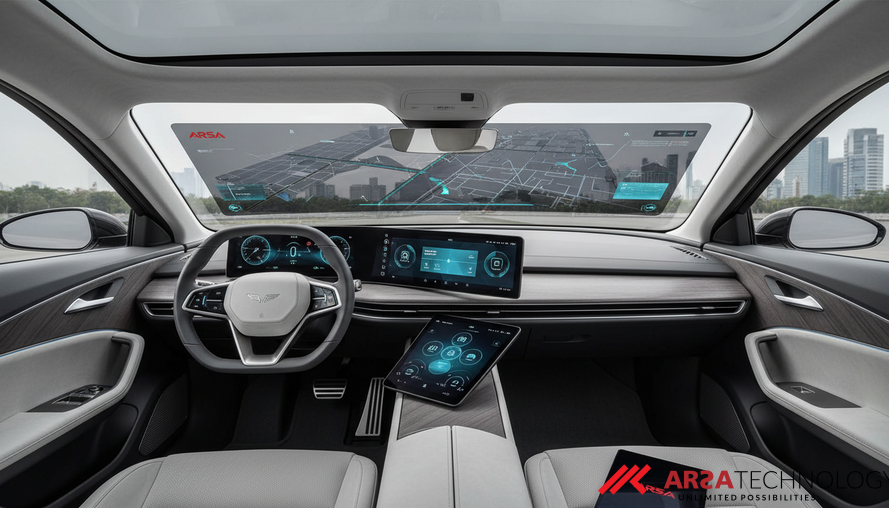
The automotive world is undergoing a seismic shift towards electrification, and BMW is at the forefront of this transformation with its new generation of electric vehicles. Following the debut of the iX3 SUV, the German automaker is set to unveil its second major offering on the innovative Neue Klasse platform: the reimagined i3. This new iteration moves beyond the quirky electric hatchback that first bore the name, presenting itself as a sophisticated four-door electric sedan designed to blend BMW’s heritage with groundbreaking future-forward technology.
This new i3 marks a significant departure from its predecessor, essentially a "retcon" rather than a reboot of the original. While the initial i3 pioneered BMW's electric ambitions from 2013 to 2022, its design and architecture find little carry-over in this new model. Instead, the new i3 leverages the entirely new Neue Klasse platform, a strategic investment in a dedicated EV architecture that promises higher energy density and improved efficiency across BMW's electric lineup. This evolution underscores a broader trend in the automotive industry: the development of purpose-built electric platforms to maximize performance, range, and interior space.
Redefining EV Foundations with Neue Klasse
At the heart of the new i3 lies BMW’s revolutionary Neue Klasse platform, which introduces a significantly advanced battery design. This platform incorporates cylindrical cells arranged in a cell-to-pack configuration, a departure from previous designs that allows for superior energy density. While BMW has not yet released the formal capacity for the i3, it is anticipated to be around the 108.7kWh usable capacity seen in the iX3 SUV. This substantial battery is projected to deliver an impressive 440 miles of range on a single charge, positioning the i3 competitively within the premium EV market.
Beyond impressive range, the Neue Klasse platform also prioritizes rapid charging capabilities. With support for 400kW charging, the i3 is engineered to add over 200 miles of range in approximately 10 minutes. This significantly reduces downtime, making long-distance travel more convenient and accelerating the shift towards electric mobility. Such advancements in battery technology and charging infrastructure are critical for widespread EV adoption, directly addressing common concerns around range anxiety and charging speeds.
Power, Performance, and Driver Experience
The initial model in this new series, the i3 50 xDrive, will feature a powerful dual-motor configuration driving all four wheels. These motors are notably free of permanent magnets, offering several environmental and operational benefits, including the elimination of rare earth materials from their construction. This design also allows the i3 to coast efficiently without requiring a separate disconnect system, a feature that distinguishes it from some competitors. Looking ahead, BMW has indicated the Neue Klasse platform’s flexibility to support single-motor rear-wheel-drive configurations, and even a "wild quad-motor" setup for high-performance variants, demonstrating the modularity of the new architecture.
A sophisticated control system developed specifically for the Neue Klasse platform enhances the i3's driving dynamics. This system enables the vehicle to come to a complete stop relying solely on its regenerative braking, significantly reducing wear on traditional brake components. Furthermore, this capability facilitates what BMW terms a "soft stop," providing an exceptionally smooth deceleration experience where the transition to a standstill is virtually imperceptible to occupants. From a performance standpoint, the i3’s 469 horsepower rivals the current BMW M3, while its 476 pound-feet of torque matches the top-tier M3 Competition. While the electric i3 is expected to be heavier than its internal combustion counterparts, its instant torque delivery ensures exhilarating acceleration. Its larger dimensions, including a 1.8-inch increase in length and a 1.9-inch longer wheelbase over a gas-powered 330i sedan, promise a notably more spacious interior.
Advanced Cabin Technology and AI Integration
The interior of the new i3 is set to be a showcase of cutting-edge automotive technology, inheriting many features from the iX3. Drivers will experience the innovative Panoramic Vision system, an expansive display spanning the entire windshield, complemented by a 3D heads-up display. A prominent 17.9-inch, 3,340 x 1,440 touchscreen, uniquely shaped as a parallelogram and slightly angled towards the driver, serves as the central control interface. This design prioritizes ergonomics, placing frequently used controls within easier reach from the steering wheel. The steering wheel itself incorporates capacitive touch surfaces, which in the iX3 have proven functional and intuitive despite common industry challenges with this technology.
Beyond displays, the i3 integrates advanced driver-assistance systems, described by BMW as "symbiotic." This philosophy means the car’s active safety features are designed to collaborate seamlessly with the driver, rather than imposing restrictive interventions. For example, the vehicle offers hands-off automatic steering on highways and automated lane changes. If a driver chooses to manually intervene, the system responds intuitively by not resisting and even activating the turn signal automatically. These capabilities are powered by robust onboard "superbrains" from technology leaders like Qualcomm and Samsung, underpinned by a software-defined architecture ready for over-the-air (OTA) updates, promising continuous enhancement and new functionalities.
The role of Artificial Intelligence in the i3 extends to its in-car voice experience. BMW is significantly investing in large language models (LLMs) to create a far more sophisticated and natural conversational interface than current systems. These LLMs will be trained with comprehensive knowledge of the car's operations, combined with the broad capabilities of modern AI chatbots. A partnership with Amazon brings Alexa Plus into the vehicle, enabling voice commands for tasks like finding restaurant recommendations and reviews, and even making reservations through services like OpenTable, all hands-free. This level of AI integration moves beyond simple commands to offer a truly intelligent co-pilot for the driver, enhancing convenience and safety. Enterprises looking to implement similar intelligent automation within their operations can leverage Custom AI solutions to deploy sophisticated AI systems that integrate with existing workflows and infrastructure, transforming raw data into actionable intelligence.
Strategic Implications for the EV Market
The new BMW i3 is poised to be a significant contender in the global luxury electric sedan market. While specific pricing and release dates for all markets are still pending, the iX3's starting price point suggests the i3 will likely fall into a similar range, potentially around $60,000 for the US market. With production anticipated to commence in August, more detailed specifications and availability information are expected soon. This strategic reintroduction of the i3 nameplate, coupled with a purpose-built electric platform and advanced technology, underscores BMW’s commitment to leading the electric revolution.
For enterprises and governments aiming to implement complex vehicle analytics and smart city solutions, the principles embedded in the Neue Klasse platform – from advanced sensor integration to software-defined functionality – offer valuable insights. For instance, technologies that enable real-time vehicle classification, traffic flow analysis, and incident monitoring are crucial for modern urban planning and logistics. ARSA Technology provides AI Video Analytics and AI BOX - Traffic Monitor solutions that transform conventional camera feeds into actionable intelligence, enabling dynamic responses to traffic conditions and enhancing public safety. The robust integration capabilities demonstrated by the i3's platform also highlight the importance of adaptable technological ecosystems, a core offering of ARSA Technology's services for end-to-end digital transformation.
The new BMW i3, as detailed in the source article by Tim Stevens for The Verge (https://www.theverge.com/transportation/895265/bmw-i3-neue-klasse-ev-price-specs), is not just a car; it's a statement about the future of automotive engineering. It combines a long-standing brand legacy with cutting-edge AI and electric vehicle technology, setting new benchmarks for performance, range, and in-car intelligence.
Discover how ARSA Technology can help your enterprise integrate advanced AI and IoT solutions to achieve measurable impact and operational excellence. For a free consultation on custom AI, IoT, or web solutions tailored to your unique business challenges, please contact ARSA.