Can Gamers Solve the Air Traffic Controller Shortage? A Deep Dive into FAA's Bold Recruitment Strategy
The FAA is targeting gamers to combat its air traffic controller shortage. Explore how gaming skills translate to ATC and the challenges in training this new workforce.

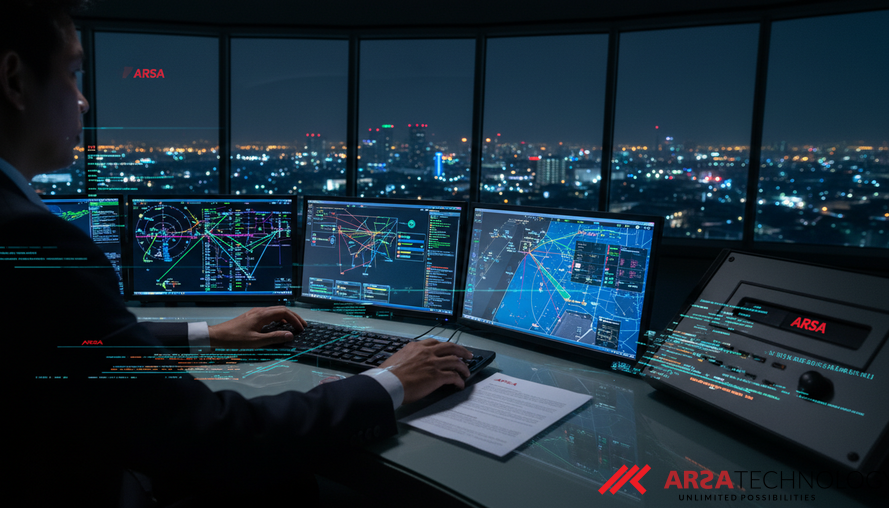
The global aviation industry, a critical backbone of modern economies, relies heavily on the vigilant eyes and quick minds of air traffic controllers (ATCs). However, the Federal Aviation Administration (FAA) in the United States has been grappling with a persistent shortage of these crucial personnel for years. This deficit poses significant operational challenges, as highlighted by a January report from the US Government Accountability Office (GAO) indicating a roughly 6% decline in the number of ATCs over the past decade. In a remarkably unconventional move, the FAA is now turning its attention to an unexpected talent pool: video gamers.
The Unexpected Solution: Why Gamers?
The decision to target gamers isn't as whimsical as it might seem. The Trump administration is launching a recruiting campaign aimed at this demographic, coinciding with the annual air traffic control hiring window opening on April 17th (Source: The Verge). A promotional video, featuring snippets from popular titles like Madden NFL, Fortnite, and League of Legends, boldly claims that an average salary of $155,000 per year awaits controllers after three years, asserting "you've been training for this." This initiative stems from exit interviews where air traffic controllers themselves cited gaming as a key influence on their ability to think quickly, maintain focus, and manage intricate situations – skills directly transferable to the high-pressure environment of air traffic control.
Modern video games, particularly strategy, simulation, and fast-paced multiplayer titles, demand a unique blend of cognitive abilities. Players must process vast amounts of real-time information, make split-second decisions, prioritize tasks under pressure, maintain sustained attention, and anticipate complex outcomes. These are precisely the aptitudes required to manage the intricate dance of aircraft in congested airspace, where a single misstep can have catastrophic consequences. The FAA's website even encourages applicants to "level up" their careers, embracing gamer vernacular to attract potential candidates. This isn't entirely new; the Biden administration also initiated a "Level Up" recruitment drive in 2021, encouraging women, minority groups, and gamers to consider the role, demonstrating a growing recognition of the diverse skill sets required.
Navigating the Challenges of Training and Retention
While identifying a promising talent pool is a crucial first step, transforming enthusiastic gamers into fully qualified air traffic controllers presents its own set of significant hurdles. The Department of Transportation’s Office of Inspector General (OIG) has pinpointed "considerable challenges with training," including a shortage of experienced instructors, limitations in training capacity, an outdated curriculum, and a high failure rate among trainees. These systemic issues suggest that simply attracting applicants isn't enough; the FAA must also reform its training pipeline to effectively convert raw talent into operational proficiency.
The rigorous and lengthy training process for air traffic controllers is designed to ensure maximum safety. However, the GAO notes that some attrition in the hiring process "may be preventable," particularly given how difficult it can be for applicants to navigate the system and the potential for them to accept other job offers due to long wait times. This highlights the need for not just innovative recruitment, but also a streamlined and supportive onboarding and training experience to retain valuable candidates. The National Air Traffic Controllers Association (NATCA), representing controllers, has expressed support for "innovative approaches to expanding the candidate pool," including outreach to individuals with high-level aptitude skills like gamers, acknowledging the potential benefits of tapping into such diverse skill sets.
The Role of Technology in Modern Air Traffic Control
Beyond human recruitment, technology plays an increasingly pivotal role in enhancing the safety and efficiency of air traffic management. While the FAA focuses on strengthening the human element, advancements in AI and IoT are simultaneously transforming the operational landscape. Systems capable of real-time predictive analytics, enhanced situational awareness, and automated monitoring can augment the capabilities of human controllers, allowing them to manage more complex airspace with greater precision and reduced stress.
For instance, AI-powered video analytics can monitor ground traffic at airports, detect potential runway incursions, or even assist in managing drone traffic in urban airspaces. These systems leverage computer vision and machine learning to process vast data streams, identify anomalies, and provide critical alerts, much like how AI Video Analytics can be used for vehicle detection and traffic flow analysis in smart cities. Such technological enhancements don't replace human judgment but empower controllers with better tools and earlier insights, freeing them to focus on high-level decision-making. Developing and deploying these kinds of robust, mission-critical systems often requires Custom AI Solutions tailored to specific operational needs, ensuring integration with existing infrastructure and compliance with stringent safety regulations.
Building a Resilient Future for Aviation
The FAA's recruitment strategy signals a forward-thinking approach to addressing a critical workforce challenge. By recognizing the transferable cognitive skills developed through gaming, the agency is looking beyond traditional profiles to identify individuals uniquely predisposed to the demands of air traffic control. However, the success of this initiative hinges not only on attracting new talent but also on overhauling the training infrastructure to effectively nurture and retain these promising candidates.
The synergy between highly skilled human controllers and advanced AI/IoT systems will be crucial for the future of aviation. As air travel continues to grow in complexity and volume, the integration of intelligent technologies, delivered by experienced technology providers like ARSA Technology, will be vital in supporting human decision-makers and ensuring safe, efficient, and resilient air traffic management worldwide. Whether through dedicated edge devices like the ARSA AI Box Series for local processing of sensor data or sophisticated software platforms for centralized intelligence, the future of critical infrastructure relies on both human ingenuity and technological innovation.
Ready to explore how advanced AI and IoT solutions can transform your operational challenges? We invite you to learn more about ARSA Technology's enterprise-grade solutions and contact ARSA for a free consultation.