Elon Musk's Terafab: How SpaceX's $119B Chip Factory Aims to Reshape AI Hardware and Edge Computing
Explore Elon Musk's ambitious "Terafab" project, a $119B semiconductor factory by SpaceX to power AI, autonomous vehicles, and space data centers, addressing the critical chip shortage.

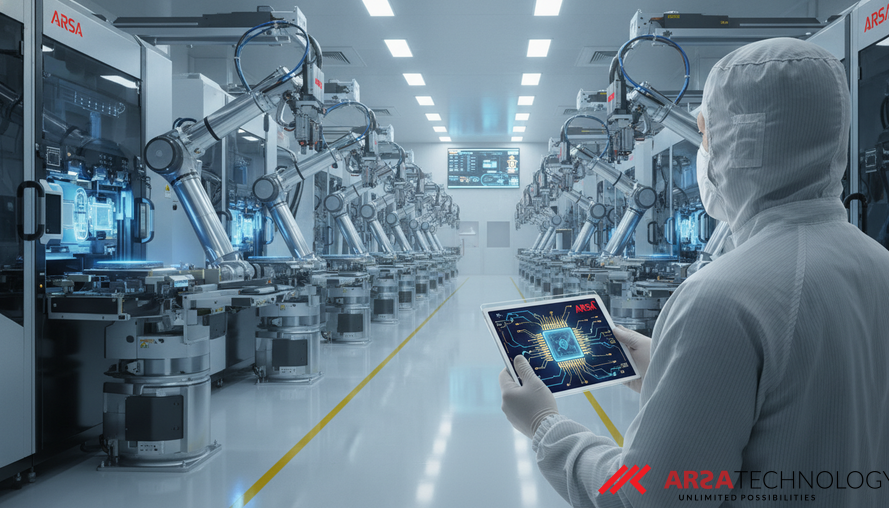
The global race for artificial intelligence supremacy is not just about algorithms and software; it’s fundamentally a hardware challenge. As AI models grow more complex and data-intensive, the demand for specialized, high-performance computing chips is skyrocketing, pushing current manufacturing capabilities to their limits. In a bold move signaling the depth of this challenge, Elon Musk’s SpaceX is reportedly considering an unprecedented investment of up to $119 billion to construct a "Terafab" semiconductor factory. This ambitious project aims to create a vertically integrated manufacturing and advanced computing fabrication facility, addressing a critical bottleneck in the advancement of AI and robotics. This significant investment highlights a growing trend among tech giants to bring critical component manufacturing in-house, ensuring control over their supply chains and accelerating innovation at an unmatched scale.
The Strategic Imperative for In-House Chip Production
The driving force behind the Terafab initiative is a recognition that the existing semiconductor industry is struggling to keep pace with the exponential demands of next-generation AI and robotics. Elon Musk has explicitly stated that his companies – including xAI and Tesla – face a severe shortage of chips crucial for their innovative projects. This isn't just about obtaining components; it’s about controlling the very infrastructure that dictates the speed and scope of technological progress. The proposed factory aims to produce chips at a scale unheard of for a single company, with a long-term goal of manufacturing enough semiconductors to generate 1 terawatt of power annually. This level of output is essential for supporting the immense computational needs of advanced AI models and complex autonomous systems.
This vertically integrated approach, where a company controls multiple stages of production, from chip design to manufacturing, is a strategic differentiator. It allows for optimized performance tailored to specific applications, enhanced security, and rapid iteration of hardware, circumventing external supply chain dependencies and potential bottlenecks. For enterprises navigating similar complex technology landscapes, developing Custom AI Solutions often involves a deep understanding of both software and hardware requirements to deliver truly effective and scalable deployments.
Terafab's Multifaceted Impact on AI and Beyond
The chips produced at the Terafab facility are intended for a diverse array of mission-critical applications across Musk's ecosystem. These include powering AI servers that train and run xAI's Grok series of AI models, enhancing the capabilities of SpaceX's Starlink satellites, and enabling a groundbreaking vision for data centers operating in space. Furthermore, these custom-designed semiconductors will be vital for the advanced processing needs of autonomous Tesla vehicles and a new generation of sophisticated robots.
Many of these applications represent the cutting edge of edge AI, where processing happens directly on the device rather than relying solely on distant cloud servers. For autonomous vehicles, satellites, and robots, low latency and robust on-device intelligence are paramount for real-time decision-making and operational reliability. This on-premise processing capability aligns with ARSA Technology's philosophy of delivering powerful AI solutions at the edge, exemplified by systems like the ARSA AI Box Series, which integrates AI-ready hardware with advanced analytics for rapid, on-site deployment in various industries.
A Collaborative Effort with Industry Giants
The Terafab project underscores a significant collaborative effort among several key entities. While spearheaded by SpaceX, the initiative reportedly involves resource contributions from Tesla, leveraging their expertise in automotive AI and robotics. Crucially, chipmaking titan Intel has also been "roped into the effort," bringing its vast experience in semiconductor fabrication and design to the table. This partnership with Intel could accelerate the development of next-generation manufacturing processes and ensure the quality and scale required for such an ambitious undertaking.
The integration of xAI with SpaceX further solidifies the strategic importance of this venture. Musk views the synergy between these entities as essential for capitalizing on the burgeoning demand for AI compute, particularly with the ambitious goal of building data centers in space. This combined entity, with a reported valuation of $1.25 trillion and an expected public offering in June, represents a powerful new force in the technology landscape, aiming to redefine the boundaries of AI infrastructure. ARSA Technology has been experienced since 2018 in navigating complex technology integrations and delivering production-ready AI and IoT systems for diverse enterprise needs.
Broader Implications for the Global Semiconductor Market
If realized, the Terafab project would send significant ripples through the global semiconductor industry. The entry of such a large-scale, vertically integrated player, backed by the immense capital and aggressive vision of Elon Musk, could reshape supply chains and intensify competition. While existing chip manufacturers like TSMC and Samsung Foundry continue to lead in contract manufacturing, the move by tech giants to develop and potentially produce their own custom silicon signifies a long-term shift towards greater self-sufficiency and specialization. This trend is driven by the need for performance optimization, data privacy, and supply chain resilience, especially in regulated and critical infrastructure sectors. The sheer scale of the estimated $119 billion investment highlights the escalating costs and strategic importance of advanced chip manufacturing in the current technological arms race.
Deployment Realities and Future Outlook
While the vision for Terafab is grand, its realization involves immense practical considerations. Grimes County, Texas, has been identified as a potential location, though Musk has indicated that other sites are also under review. The "multi-phase" nature of the project suggests a carefully planned, incremental rollout, acknowledging the complexities of establishing such a sophisticated manufacturing facility. This approach allows for adaptability and optimization as technology evolves and market demands shift. For any enterprise embarking on such a transformative journey, the focus remains on delivering measurable outcomes, optimizing operations, and ensuring long-term scalability—principles that guide ARSA Technology's commitment to practical, proven, and profitable AI solutions.
The Terafab project, as reported by TechCrunch on May 6, 2026, represents a significant development in the ongoing efforts to meet the rapidly expanding demands of the AI era. It underscores the strategic importance of controlling the underlying hardware infrastructure and the potential for a new wave of vertical integration in the tech industry.
Are you looking to integrate advanced AI capabilities into your operations? Explore ARSA Technology's cutting-edge AI and IoT solutions, designed for real-world deployment across various industries. Contact ARSA today for a free consultation to discuss how our expertise can drive your digital transformation.