[EN] Designing an AI-Based Employee Health & Security Checkpoint Ecosystem
In the midst of increasingly complex industrial needs, one thing remains irreplaceable: the health and safety of the people who drive…
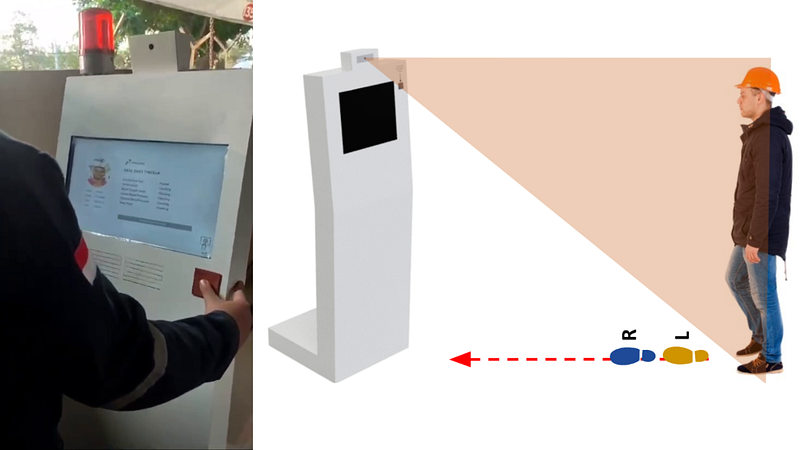
In the midst of increasingly complex industrial needs, one thing remains irreplaceable: the health and safety of the people who drive operational activities. However, how can we ensure thousands of employees can perform accurate, efficient daily health checks without long queues? Our answer: a combination of artificial intelligence and automation.
Health check kiosks equipped with AI can perform Romberg balance tests, SpO2 measurements, blood pressure readings, heart rate monitoring, and body temperature checks. These are enhanced with facial recognition to identify workers and test subjects. As a company specializing in AI and IoT, we were trusted by one of Indonesia’s largest industrial clients to design a fully integrated self-service medical checkpoint system with smart access gates. This system not only detects worker identity but also monitors their vital signs and screens for potential health and security risks — all in a streamlined and efficient workflow.
Why This System Is Needed?
In heavy industrial work environments, such as energy or manufacturing sectors, daily health checks are not merely a formality. They are preventive measures that save productivity and lives. But when the process is manual, the effects can be counterproductive: long queues, non-real-time results, and limitations in medical human resources.
Our system addresses all these issues through automation. Here are its components:
Gate 1: Face Recognition Turnstile
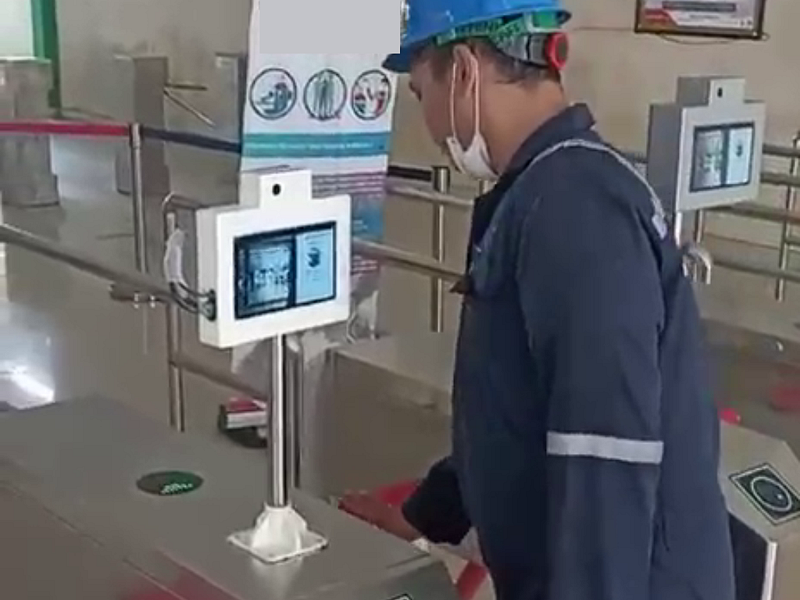
Every worker entering the area must pass through a FaceID-based gate. This system recognizes faces in real-time, ensuring that only registered employees can proceed to the health screening stage.
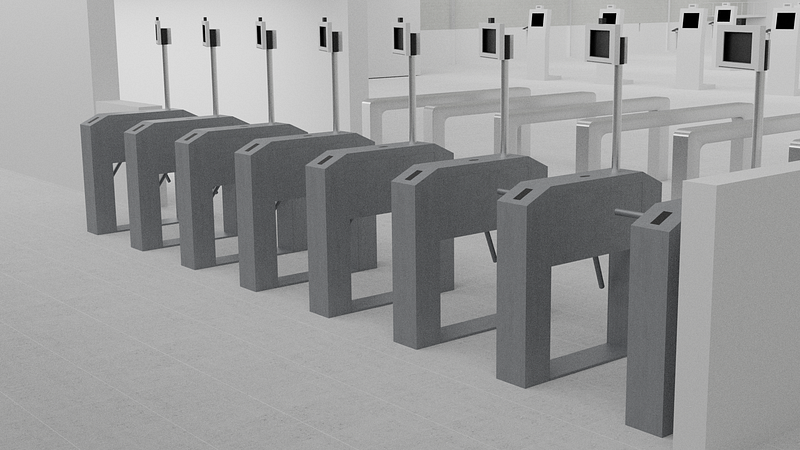
Additional features such as mask detection are also implemented to ensure health protocols are maintained.
“No card-tapping, no bottleneck. Just walk in — and be recognized.”
Gate 2: Self-Service Health Kiosk
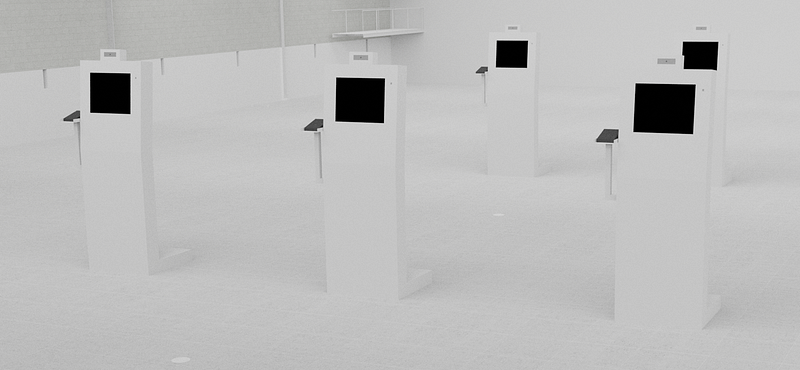
This is the heart of our system: a self-service kiosk that combines five types of health examinations in a single interaction:
- Blood pressure measurement
- Automatic body temperature detection
- Oxygen saturation level (SpO2) detection
- Heart rate monitoring
- Balance test (Romberg test) — traditionally performed manually by medical personnel, now supported by cameras and AI motion analyzers
All data is collected independently by the user without assistance from staff. The system recognizes the user’s face, connects the results to the user ID, and immediately sends the data to a cloud dashboard.
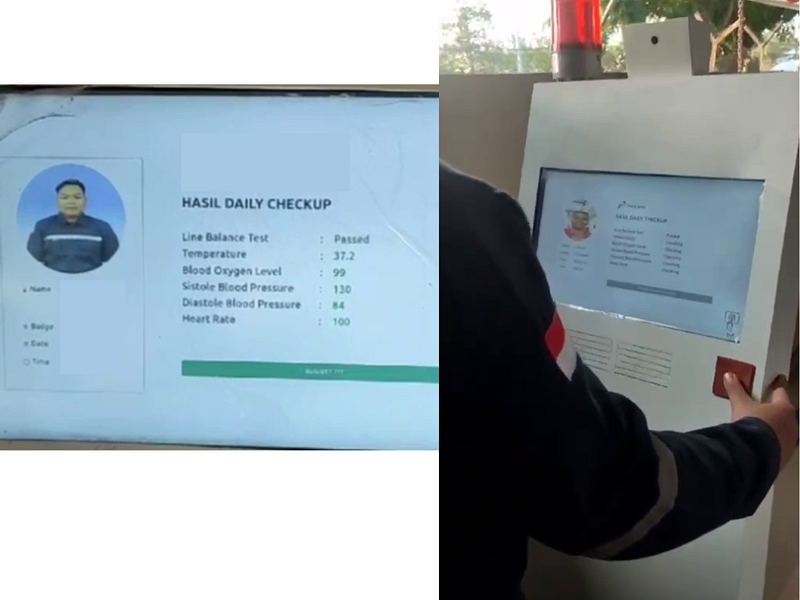
Semua data diambil secara mandiri oleh user tanpa perlu bantuan petugas. Sistem akan mengenali wajah user, menghubungkan hasil ke ID pengguna, dan langsung mengirim data ke dashboard cloud.
Gate 3: Metal Detector + FaceID
After passing the health check, users are directed to a security gate consisting of a metal detector with FaceID verification. After passing through the metal detector, any detected metal locations are highlighted on a screen.
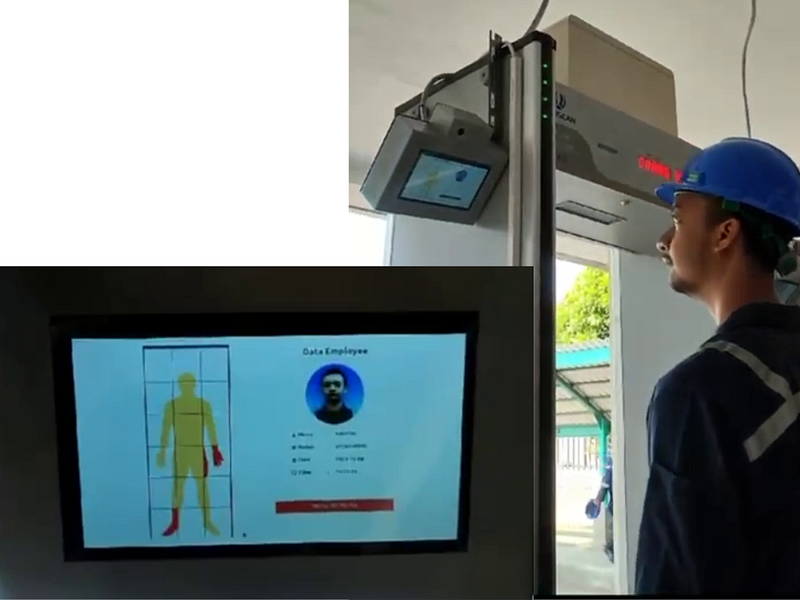
Tujuannya jelas: meminimalkan potensi ancaman keamanan dari barang-barang berbahaya sekaligus memastikan yang lolos adalah individu yang sudah memenuhi syarat kesehatan.
One Dashboard for Everything
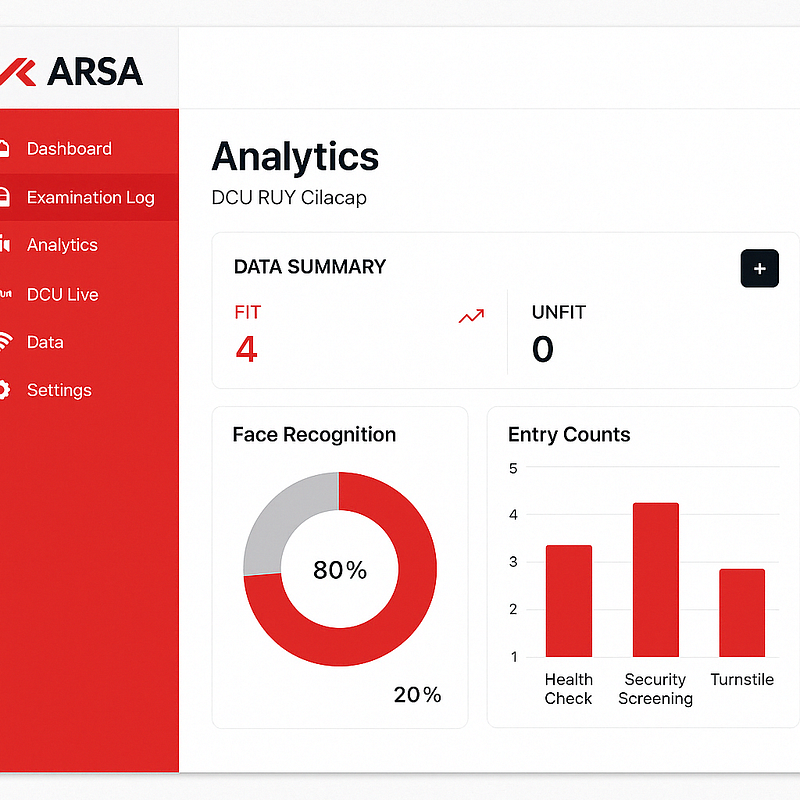
All devices — from turnstile gates and medical kiosks to metal detectors — are connected to a single web-based central dashboard that provides total visibility:
- Daily to yearly statistics
- Examination result history
- Notifications for workers with outlier status
- Data export to PDF
- Integration with external security systems such as Honeywell (API-based)
Measurable Efficiency
This system can process more than 100 people per hour without congestion. Additionally, it reduces:
- Daily medical staff workload
- Operational costs
- Potential manual input errors
Moreover, the system creates a preventive work culture — where everyone is aware that their health is a priority, and the examination process is a natural part of their daily routine.
Not Just for One Industry
Although the system has currently been implemented for large-scale users in the energy sector, its modular design allows it to be used across various sectors:
- Industrial areas and mines
- Airports and ports
- Campuses and boarding schools
- Offices with strict access requirements
Conclusion
This solution is not just a tool, but an intelligent automation ecosystem. It’s a new way to unite health, security, and operational efficiency in one logical and humane workflow.
Because the future of the workplace isn’t just about technology — but about how technology protects the humans within it.
This article is part of Machine State — ARSA Technology’s official publication exploring intelligent systems and future tech.
Written by Hilmy Izzulhaq
Founder @ ARSA Technology — 7 years building AI Vision & IoT solutions in heavy industry, parking, and smart city.