Getting Started with AI Security: A Step-by-Step Guide for Businesses
Artificial intelligence has transformed the security landscape, offering unprecedented capabilities for threat detection, access control…
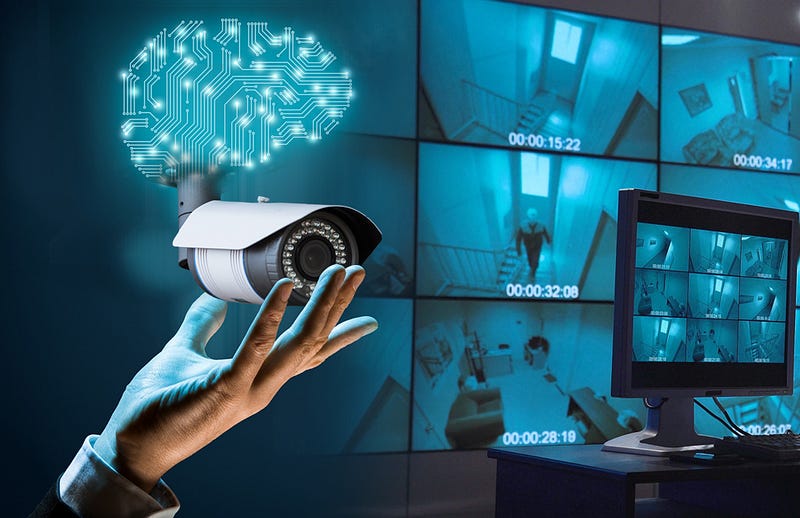
Artificial intelligence has transformed the security landscape, offering unprecedented capabilities for threat detection, access control, and surveillance management. However, many organizations struggle with the practical aspects of implementing AI security solutions. This guide provides a structured approach to adopting AI security technologies, with a focus on realistic implementation strategies that deliver measurable results.
Assessing Your Security Needs and Readiness
Before implementing any AI security solution, a thorough assessment of your organization’s current security posture and needs is essential.
Security Gap Analysis
Begin by identifying vulnerabilities in your current security approach:
- Physical Access Vulnerabilities
- Are all entry points adequately monitored?
- How are visitors and contractors managed?
- Do you have areas with sensitive assets requiring enhanced protection? - Surveillance Coverage Assessment
- Map existing camera coverage and identify blind spots
- Evaluate camera quality and capabilities
- Assess current monitoring procedures and response times - Incident History Review
Infrastructure Evaluation
Assess your technical readiness for AI implementation:
- Camera Infrastructure
- Inventory existing cameras (type, resolution, connectivity)
- Determine whether cameras are ONVIF-compliant for integration
- Identify areas requiring camera upgrades or additions - Network Capacity
- Evaluate bandwidth available for video transmission
- Assess network reliability in security-critical areas
- Determine whether edge computing might be necessary - Storage and Computing Resources
- Estimate storage needs for video retention requirements
- Assess available computing resources for AI processing
- Determine cloud vs. on-premises preferences
Organizational Readiness
Security technology is only as effective as the organization implementing it:
- Staff Capabilities
- Evaluate technical knowledge of security personnel
- Assess current monitoring procedures and potential for improvement
- Identify training needs for new technology adoption - Stakeholder Alignment
- Identify key stakeholders across departments
- Understand departmental security priorities and concerns
- Define cross-functional implementation team - Compliance Requirements
- Identify industry-specific security standards
- Review privacy regulations affecting biometric data
- Document requirements for security system reporting and logging
Defining Objectives and Success Metrics
Clear objectives are critical for successful AI security implementation. These should be specific, measurable, and aligned with broader organizational goals.
Common Security Objectives
- Enhanced Threat Detection
- Reduction in security incidents
- Faster identification of potential threats
- More comprehensive coverage of security vulnerabilities - Operational Efficiency
- Reduced false alarms
- More efficient use of security personnel
- Lower monitoring costs - Access Control Improvement
- Faster, more accurate access authentication
- Reduction in unauthorized access incidents
- Improved visitor management - Regulatory Compliance
- Meeting industry-specific security requirements
- Demonstrable due diligence in security measures
- Comprehensive security event logging and reporting
Establishing Metrics
For each objective, define specific metrics to measure success:
Objective: Enhanced Threat Detection
- Metric: 50% reduction in undetected security violations
- Metric: 30% faster average response time to security events
- Metric: 100% coverage of high-security areas with AI monitoring
Objective: Operational Efficiency
- Metric: 70% reduction in false alarms
- Metric: 25% decrease in security personnel monitoring hours
- Metric: 40% improvement in security staff productivity
Objective: Access Control Improvement
- Metric: 99.5% accuracy in authorized personnel identification
- Metric: 90% reduction in tailgating incidents
- Metric: 50% faster average entry processing time
Objective: Regulatory Compliance
- Metric: 100% compliance with required security standards
- Metric: Complete audit trail for all access events
- Metric: Zero privacy violations related to security technology
Selecting the Right AI Security Solutions
With clear objectives established, you can now evaluate specific AI security technologies based on their ability to address your identified needs.
Core AI Security Technologies
- Face Recognition Systems
- Best for: Access control, VIP identification, watchlist monitoring
- Key considerations: Accuracy across demographics, processing speed, enrollment process
- ARSA solution: ARSACA Vision AI with 99.67% accuracy and watchlist management - License Plate Recognition
- Best for: Vehicle access control, parking management, vehicle tracking
- Key considerations: Performance in varying lighting and weather, capture angle flexibility
- ARSA solution: AKSAYANA Vision AI with vehicle type and behavior detection - Behavior Analysis
- Best for: Detecting suspicious activities, enforcing safety protocols, monitoring restricted areas
- Key considerations: False alarm rates, customizability of rules, integration with alerts
- ARSA solution: ARSACA Vision AI with threat and action recognition capabilities - People Counting and Analysis
- Best for: Occupancy monitoring, traffic pattern analysis, demographic insights
- Key considerations: Accuracy in crowded scenes, privacy protections, reporting capabilities
- ARSA solution: People Counting & Analysis API with demographic and attribute detection
Solution Selection Framework
When evaluating specific solutions, consider:
Alignment with Objectives
- How directly does the solution address your priority needs?
- Does it provide metrics that match your success criteria?
Total Cost of Ownership
- Initial purchase and implementation costs
- Ongoing licensing, support, and maintenance
- Required infrastructure upgrades or additions
- Training and operational adjustments
Integration Capabilities
- Compatibility with existing security systems
- API availability for custom integrations
- Support for standard security protocols
Scalability
- Ability to expand coverage as needs grow
- Performance impact with increased scale
- Cost structure for expansion
Vendor Considerations
- Track record and reputation
- Support and service capabilities
- Product development roadmap
- Deployment and implementation assistance
Implementation Planning
With solutions selected, careful implementation planning becomes essential for success.
Phased Implementation Approach
A phased approach reduces risk and allows for learning and adjustment:
Phase 1: Pilot Implementation
- Select a limited scope area with clear success criteria
- Implement the solution under controlled conditions
- Establish baseline performance and adjust configurations
- Document findings and lessons learned
Phase 2: Limited Rollout
- Expand to several key areas based on pilot results
- Refine operational procedures and integration points
- Validate scalability and performance metrics
- Train additional staff on the system
Phase 3: Full Deployment
- Complete organization-wide implementation
- Finalize integration with all relevant systems
- Establish regular performance review procedures
- Transition to ongoing management and optimization
Technical Implementation Considerations
- Camera Placement and Configuration
- Optimal positioning for AI analysis (height, angle, lighting)
- Camera resolution and frame rate requirements
- Environmental factors (glare, backlighting, weather exposure)
Network and Storage Planning
- Bandwidth allocation for video transmission
- Edge processing requirements and placement
- Video storage retention policies and capacity
Integration Architecture
- API connections to existing security systems
- Alert and notification workflows
- Data sharing between security subsystems
Fallback and Redundancy Planning
- Procedures for system downtime
- Backup authentication methods
- Redundant processing or storage where critical
Organizational Implementation Considerations
- Training Program Development
- Security operator training on new systems
- Response procedure updates for AI-generated alerts
- Technical maintenance training for IT staff
Policy and Procedure Updates
- Update security policies to reflect new capabilities
- Develop clear procedures for system alerts
- Create enrollment processes for biometric systems
- Establish privacy and data governance policies
Communication Planning
- Stakeholder communication about implementation
- User education about new security measures
- Privacy and data usage transparency
Deployment and Optimization
The deployment phase transforms plans into operational reality, followed by continuous optimization.
Deployment Best Practices
Pre-Deployment Testing
- Conduct thorough testing in a staging environment
- Verify integration points with existing systems
- Validate performance under various conditions
Data Preparation
- Clean and prepare existing data for migration
- Establish enrollment procedures for biometric systems
- Create initial watchlists or rule sets
Controlled Deployment
- Deploy during lower-activity periods when possible
- Maintain parallel systems initially for critical functions
- Have technical resources readily available for troubleshooting
Initial Calibration
- Adjust sensitivity settings to balance security and convenience
- Calibrate detection thresholds to minimize false positives
- Fine-tune integration timing and workflows
Continuous Optimization
AI security systems improve with proper tuning and optimization:
Performance Monitoring
- Track key performance indicators against objectives
- Monitor system health and resource utilization
- Log and analyze false positives and false negatives
Feedback Integration
- Gather input from security personnel and users
- Identify pain points and improvement opportunities
- Document unexpected benefits for potential expansion
Regular Review and Adjustment
- Schedule regular performance reviews
- Update rule sets and detection parameters based on results
- Refine operational procedures as needed
Knowledge Management
- Document configurations and customizations
- Create troubleshooting guides for common issues
- Maintain training materials for new staff
Case Study: Manufacturing Facility Implementation
A large manufacturing facility implemented ARSA Technology’s AI security solutions to address multiple security challenges. Their methodical approach illustrates the process from assessment to optimization.
Initial Assessment
The facility identified several key security challenges:
- Multiple unauthorized access incidents over the previous year
- Difficulty monitoring a large perimeter with limited security staff
- Safety compliance issues with employees bypassing PPE requirements
- Vehicle and equipment theft from the parking and storage areas
Objectives and Metrics
They established clear objectives for their AI implementation:
- Reduce unauthorized access by 90% within six months
- Improve safety compliance by detecting PPE violations in real-time
- Enhance vehicle security through automated monitoring
- Increase security staff efficiency by 50% through automated detection
Solution Selection
Based on their objectives, they selected:
- ARSACA Vision AI for facial recognition and PPE detection
- AKSAYANA Vision AI for vehicle monitoring
- Integrated Video Management System for central monitoring
Phased Implementation
Phase 1: Main Entrance Pilot
- Deployed facial recognition at main employee entrance
- Enrolled all employees and contractors
- Established alert workflow for unauthorized access
- Measured performance over 30 days
Phase 2: Expanded Access Control
- Added all secondary entrances to the system
- Integrated with existing access control hardware
- Implemented PPE detection in production areas
- Extended to visitor management system
Phase 3: Full Deployment
- Completed perimeter surveillance with behavior detection
- Implemented vehicle monitoring in parking and loading areas
- Integrated all systems into central security operations
- Finalized training and procedure documentation
Results
After full implementation, the facility achieved:
- 98% reduction in unauthorized access incidents
- 87% improvement in PPE compliance
- 100% detection rate for vehicles entering/exiting the facility
- 62% reduction in security monitoring personnel requirements
- Complete ROI achievement within 9 months through incident reduction and staff optimization
Optimization
Continuous improvement efforts included:
- Tuning PPE detection thresholds based on false positive analysis
- Creating custom security zones with specialized monitoring rules
- Developing integrated dashboards for management reporting
- Expanding the system to include equipment monitoring and tracking
Conclusion: Building a Future-Ready Security Posture
Implementing AI security solutions represents a significant advancement in organizational security capabilities. By following a structured approach — from needs assessment through deployment and optimization — organizations can realize substantial improvements in security effectiveness and operational efficiency.
The key to successful implementation lies in:
- Strategic Alignment: Ensuring AI security initiatives support broader organizational objectives
- Phased Approach: Reducing risk through careful piloting and gradual expansion
- Measurement Focus: Establishing clear metrics to demonstrate value and guide optimization
- Continuous Improvement: Viewing implementation as an ongoing process rather than a one-time project
- Holistic Perspective: Addressing technological, operational, and human factors in implementation
As AI security technologies continue to evolve, organizations that establish robust implementation frameworks will be well-positioned to adapt and incorporate new capabilities. The goal is not simply to deploy technology, but to create an intelligent, adaptive security ecosystem that continuously improves in its ability to protect people, assets, and operations.
ARSA Technology remains committed to supporting organizations through this journey, providing not only advanced AI security solutions but also the expertise and guidance needed to implement them effectively. The result is a security posture that is not only stronger today but ready to evolve with emerging threats and technologies in the future.
This article is part of Machine State — ARSA Technology’s official publication exploring intelligent systems and future tech.
Written by Hilmy Izzulhaq
Founder @ ARSA Technology — 7 years building AI Vision & IoT solutions in heavy industry, parking, and smart city.