Healthcare Revolution: Self-Service Medical Kiosks
The healthcare industry stands at the precipice of a technological revolution, with artificial intelligence and self-service technologies…
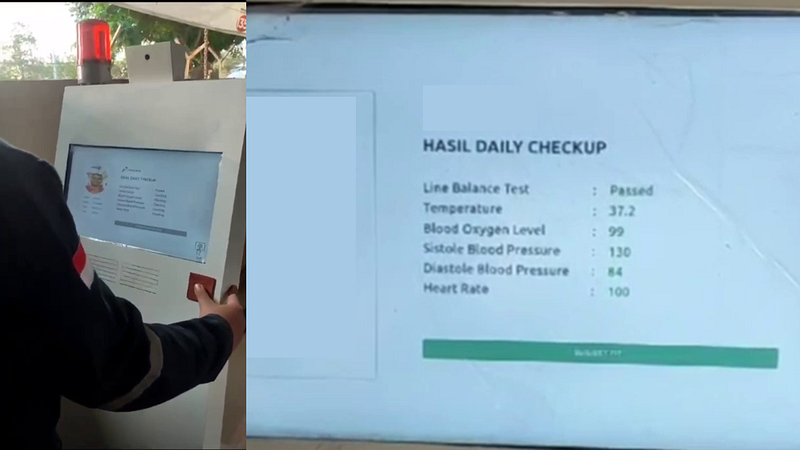
The healthcare industry stands at the precipice of a technological revolution, with artificial intelligence and self-service technologies poised to transform how we approach health monitoring and diagnostics. At ARSA Technology, our SYNAPTA Medical Solution represents our contribution to this healthcare evolution, combining accessible health monitoring with sophisticated AI-powered diagnostic tools.
The Growing Need for Healthcare Innovation
Several key factors are driving the need for technological innovation in healthcare:
- Healthcare Access Challenges: Many regions face shortages of healthcare professionals and facilities, limiting patient access to timely care.
- Rising Healthcare Costs: Traditional healthcare delivery models are becoming increasingly expensive, putting quality care out of reach for many.
- Preventative Care Gaps: Current systems often focus on treating illness rather than preventing it through regular monitoring.
- Diagnostic Bottlenecks: Manual review of diagnostic imaging creates workflow bottlenecks and delays in diagnosis.
- Growing Chronic Disease Burden: An aging population and lifestyle factors are increasing the prevalence of chronic conditions requiring ongoing monitoring.
These challenges call for innovative solutions that can expand healthcare access, reduce costs, and improve diagnostic efficiency without compromising quality of care.
Self-Service Medical Kiosks: Democratizing Health Monitoring
The first component of our SYNAPTA solution is a self-service medical kiosk that puts essential health monitoring within reach of the general public. These kiosks serve as accessible health checkpoints that can be deployed in a variety of settings:
- Corporate offices and workplaces
- Community centers
- Pharmacies and retail locations
- Educational institutions
- Residential complexes
- Healthcare facility waiting areas
Key Features and Capabilities
The SYNAPTA self-service kiosk offers comprehensive vital health measurements including:
- Cardiovascular Monitoring:
- Blood pressure measurement
- Heart rate monitoring
- Heart rhythm analysis
- Respiratory Assessment:
- Blood oxygen saturation (SpO2)
- Respiratory rate
- General Health Indicators:
- Body temperature
- Body mass index calculation (with height and weight measurement)
All measurements are performed using medical-grade sensors calibrated to provide reliable results comparable to clinical equipment.
The User Experience
The kiosk is designed with user experience as a priority, featuring:
- Intuitive touchscreen interface with multilingual support
- Clear step-by-step instructions for each measurement
- Privacy screens and design elements to ensure confidential testing
- Minimal contact requirements to maintain hygiene
- Accessibility features for users with disabilities
- Quick assessment completion (under 5 minutes for a complete vital check)
Data Management and Integration
What truly differentiates SYNAPTA kiosks is their sophisticated data management capabilities:
- Secure storage of user health data
- Trend analysis to track changes over time
- Optional integration with personal health apps via secure APIs
- Capability to share results with healthcare providers
- Anonymous aggregate data for public health insights
The system prioritizes data security and user privacy, with rigorous encryption and access controls ensuring personal health information remains protected.
The Integrated Healthcare Approach
While each component of the SYNAPTA solution offers significant standalone value, their integration creates a comprehensive healthcare ecosystem with transformative potential:
- Expanded Access: Self-service kiosks make regular health monitoring accessible to populations who might otherwise neglect preventative care.
- Early Detection: Regular vital measurements can identify concerning trends early, prompting timely medical intervention.
- Efficient Triage: Preliminary data from kiosks can help healthcare systems prioritize cases based on urgency.
- Longitudinal Health Insights: Combined data from regular monitoring and diagnostic imaging provides a more complete picture of patient health over time.
- Reduced Healthcare Costs: Early intervention based on regular monitoring can prevent costly hospitalizations, while AI-assisted diagnostics can reduce the resource burden on healthcare systems.
Real-World Impact and Case Studies
The SYNAPTA solution has already begun demonstrating its value in various healthcare settings:
Corporate Wellness Program
A large corporation implemented SYNAPTA kiosks as part of its employee wellness program. Over a six-month period, the program identified previously undiagnosed hypertension in 8% of employees, allowing for early intervention and management. The company reported a 12% reduction in sick days and a positive return on investment through reduced health insurance claims.
Rural Healthcare Initiative
In areas with limited access to healthcare professionals, SYNAPTA kiosks installed in community centers provided basic health monitoring for residents. The program found that 35% of users who discovered concerning vital signs subsequently sought medical attention they would otherwise have delayed.
Future Directions
As healthcare technology continues to evolve, several promising directions for expansion of the SYNAPTA ecosystem include:
- Expanded Diagnostic Capabilities: Extending AI analysis to additional imaging modalities and diagnostic categories.
- Enhanced Monitoring Options: Incorporating additional health parameters such as ECG, blood glucose, and cholesterol measurements into self-service kiosks.
- Remote Monitoring Integration: Connecting with home healthcare devices to create a continuous monitoring ecosystem.
- Predictive Health Models: Developing AI models that can predict health risks based on combined vital and diagnostic data.
- Telemedicine Integration: Seamless connection to telemedicine services when concerning results are detected.
Conclusion
The healthcare challenges facing our global society — from access and affordability to efficiency and prevention — require innovative technological solutions. SYNAPTA’s combination of self-service health monitoring and AI-assisted diagnostics represents a significant step toward a more accessible, efficient, and prevention-focused healthcare ecosystem.
By placing basic health monitoring within reach of the general public and enhancing the efficiency of diagnostic workflows, these technologies can help bridge critical gaps in current healthcare systems. As these solutions continue to evolve and integrate with broader healthcare infrastructure, they promise to play an increasingly important role in improving health outcomes and controlling healthcare costs.
At ARSA Technology, we remain committed to advancing these technologies responsibly, in close collaboration with healthcare professionals and with a continuous focus on improving patient outcomes. The healthcare revolution is underway, and technology will be a pivotal force in shaping its direction.
This article is part of Machine State — ARSA Technology’s official publication exploring intelligent systems and future tech.
Written by Hilmy Izzulhaq
Founder @ ARSA Technology — 7 years building AI Vision & IoT solutions in heavy industry, parking, and smart city.