The Enduring Value of Modular Home Security Systems in 2026 and Beyond
Explore why modular home security systems, offering flexible installation, customizable components, and advanced AI features, are crucial for modern households in 2026. Discover how these DIY solutions provide scalable, privacy-focused protection.

The Evolution of Modern Home Security in 2026
The concept of home security has dramatically evolved, moving far beyond simple alarms to embrace sophisticated, interconnected systems. In an era where smart homes are increasingly the norm, security solutions for 2026 and beyond emphasize flexibility, ease of deployment, and advanced intelligence. A homeowner recently recounted a vivid example of this transformation, highlighting how a modular system quickly and effectively averted a potential crisis. Waking to the unexpected blare of a siren and a call from the local police, they discovered their kindergarten-aged son had inadvertently triggered the garage alarm. Despite the initial panic, the system, installed personally in minutes without special tools, had efficiently dispatched authorities and ensured a swift resolution. This personal experience underscores a critical shift: modern home security is less about complex, rigid installations and more about user-friendly, adaptable ecosystems that empower homeowners.
This evolution is driven by the demand for systems that offer both robust protection and operational simplicity. The experience above illustrates the immediate benefits of a self-installed, modular security setup: instant alerts, rapid police response protocols, and the peace of mind that comes from knowing your property is protected. Such systems are designed to be intuitive, allowing users to expand their security infrastructure over time, integrating new components as needs change, without the need for extensive professional intervention or burdensome contracts. This modular approach is not merely a convenience; it is a strategic advantage, offering scalable protection that can adapt to changing family dynamics, property layouts, and evolving security threats.
The Power of Modular Design and DIY Installation
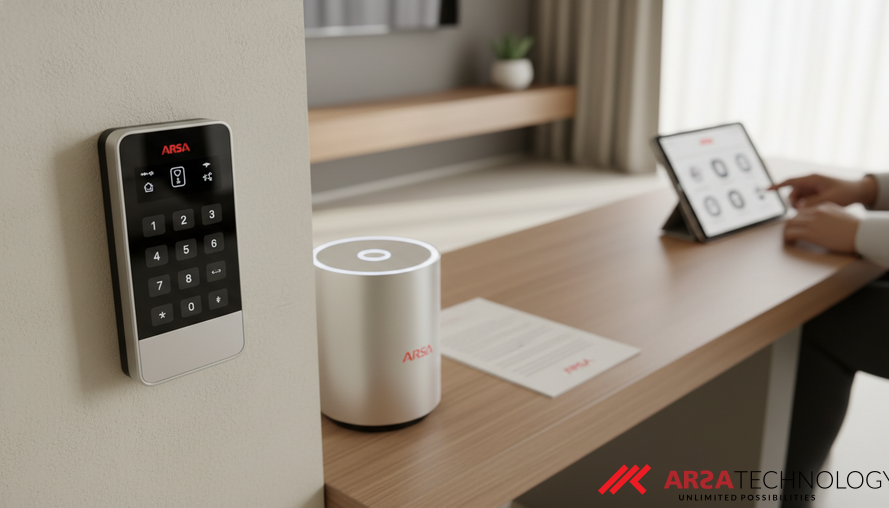
The core appeal of a modular home security system lies in its inherent flexibility. Unlike traditional, hardwired systems that often require professional installation and long-term contracts, modular systems empower users with a "do-it-yourself" (DIY) approach. Components like a central base station, keypads, and various sensors can typically be installed in minutes using simple adhesives or minimal tools. This significantly reduces upfront costs and eliminates the hassle of scheduling technicians. Furthermore, many modular systems offer monitoring plans that are not tied to lengthy contracts, providing financial freedom and allowing users to adjust their service as required. This flexibility extends to hardware, enabling homeowners to add devices such as smart carbon monoxide detectors, outdoor cameras, and smart locks at any point, integrating them seamlessly into their existing setup.
The ease of expansion is a key differentiator. For example, a homeowner can begin with a basic package covering entry points and then gradually add a smoke alarm listener to integrate existing hardwired alarms, or deploy a smart lock on the front door for enhanced access control. This incremental growth ensures that security investments align directly with immediate needs and budget constraints, rather than forcing a comprehensive, expensive overhaul. The ability to manage and expand the system through a connected mobile application further enhances user control, making advanced security features accessible to a broader audience. Such systems exemplify how technology can be democratized, putting powerful security tools directly into the hands of the end-user.
Intelligent Monitoring: Leveraging AI for Enhanced Protection
Modern modular security systems are increasingly integrating Artificial Intelligence (AI) to move beyond simple alarm triggers toward intelligent threat detection and proactive monitoring. This transformation is particularly evident in outdoor camera capabilities. While some cameras may still suffer from performance lags, more advanced solutions incorporate AI algorithms for features like "Active Guard Outdoor Protection." This technology utilizes AI to analyze video feeds for anything out of the ordinary, particularly during vulnerable hours. For example, an AI system might flag an unfamiliar presence on a property, initiating a response from a live agent.
These agents can then verify the situation, distinguishing between a recognized individual (using biometric data with appropriate consent) or a sanctioned activity (like a delivery) versus a genuine security threat. In the event of a confirmed threat, the agent can communicate with the intruder through the camera's speaker, activate sirens and lights, and, critically, expedite police response. The distinction between a confirmed crime and a false alarm is vital, allowing law enforcement to prioritize genuine emergencies. This advanced AI capability enhances deterrence and response times, transforming cameras from mere recording devices into active security assets. However, the deployment of biometric data features necessitates careful consideration of privacy regulations and user consent, particularly in regions with stringent data protection laws. For enterprise-grade video intelligence, solutions like ARSA's AI Video Analytics offer real-time threat detection and operational insights, ensuring high accuracy and robust performance in diverse environments.
Integrating Advanced Sensors for Comprehensive Protection
Beyond cameras, the effectiveness of a modular security system is amplified by a diverse array of integrated sensors. One particularly innovative add-on is the smoke and carbon monoxide alarm listener. Traditional smart smoke alarms often rely solely on photoelectric sensors, adept at detecting smoky, smoldering fires. However, many hardwired "dumb" alarms incorporate both photoelectric and ionization sensors, making them more effective at detecting fast-moving flames as well. A listener bridges this gap, allowing smart systems to receive alerts from existing hardwired alarms, thus ensuring comprehensive fire and CO2 detection without replacing functional infrastructure. This dual-sensor approach significantly enhances safety by ensuring detection across a wider spectrum of fire types.
Smart locks represent another crucial layer of protection, offering both convenience and security. When integrated into a modular system, these locks can automatically engage when the security system is armed, eliminating the risk of forgetting to lock doors. The ability to operate without a physical key also adds convenience for residents and provides flexibility for temporary access codes. While some smart locks might occasionally require recalibration or experience connectivity issues, their benefits in terms of automated security and keyless entry often outweigh minor inconveniences. These advanced sensors, combined with intelligent monitoring, create a robust, multi-layered defense for any property. Businesses looking for similar, integrated access control solutions with advanced biometric capabilities can explore offerings like the ARSA AI API for seamless integration.
Edge AI and Data Privacy: Enterprise Considerations
The shift towards modular systems, especially those leveraging AI, brings important discussions around data processing and privacy. Many modern systems, like the examples mentioned, emphasize edge computing – processing video streams and sensor data locally on the device itself, rather than solely in the cloud. This approach significantly enhances data privacy, as sensitive information does not necessarily leave the user's network unless explicitly configured. For governments, critical infrastructure operators, and enterprises, this is a non-negotiable requirement. On-premise processing minimizes latency, crucial for real-time alerts and responses, and ensures compliance with strict data sovereignty regulations such as GDPR and HIPAA.
The choice between cloud-dependent and on-premise or edge-based solutions dictates the level of control an organization has over its data. Cloud optionality means users retain control over data flow, storage, and access, an important consideration for privacy-sensitive environments. Technologies such as the ARSA AI Box Series exemplify this edge processing paradigm, offering pre-configured systems that deliver instant insights on-site without cloud dependency, ensuring robust security and privacy for critical deployments. These solutions allow organizations to transform passive infrastructure into active intelligence, processing vast amounts of data locally to detect conditions, measure performance, and trigger immediate actions.
Deployment Flexibility: Tailoring Solutions to Specific Needs
The adaptability of modular security systems extends to their deployment models, catering to diverse environments from individual homes to expansive industrial facilities. Solutions are available in various configurations, from compact mini-PC models suitable for distributed deployments with 1-3 cameras, to high-density server models capable of processing up to 30 camera streams simultaneously. This scalability allows organizations to choose an architecture that perfectly aligns with their operational infrastructure, whether they prefer localized processing at the edge or centralized monitoring within a server room.
For instance, a factory might deploy multiple mini-PC AI Boxes across various zones for localized safety monitoring, such as PPE detection and restricted area access, benefiting from minimized bandwidth usage and local data processing. Meanwhile, a smart city initiative could opt for a high-density server model to centralize traffic monitoring and congestion analysis across numerous intersections. The "plug-and-play" nature of many modular systems simplifies installation, reducing IT overhead and enabling rapid rollout. This versatility ensures that regardless of the scale or complexity of the environment, a suitable and effective security solution can be implemented. ARSA's AI BOX - Basic Safety Guard, for example, provides safety and compliance monitoring for industrial environments with flexible deployment options.
Choosing the Right Security Partner for Long-Term Value
As home and enterprise security systems continue to evolve, the emphasis remains on practical, adaptable, and intelligent solutions. The enduring value of modular systems lies in their ability to offer comprehensive protection that can grow and change with user needs. From easy, tool-free installation and flexible monitoring plans to advanced AI-powered outdoor cameras and integrated environmental sensors, these systems provide a compelling alternative to traditional, rigid setups. The focus on privacy-by-design, especially through edge AI processing, ensures that security advancements do not come at the expense of data control.
For technology enthusiasts and professionals alike, embracing a modular approach means investing in a future-proof security infrastructure. The market continues to innovate, with new sensors and AI capabilities constantly emerging. Choosing a system that allows seamless integration of these advancements, alongside responsive customer service and clear pricing, ensures long-term utility and peace of mind. The ability to deploy AI-driven systems that work reliably at scale, under real-world constraints, underscores the commitment to delivering measurable impact beyond mere experimentation.
To explore how advanced AI and IoT solutions can transform your security infrastructure, we invite you to contact ARSA for a free consultation.
Source: The Best Home Security System Is Modular (2026) by Wired.com