The Hidden Hands: Why Robotaxi Companies Are Quiet on Remote Operator Interventions
Explore the crucial role of remote operators in robotaxis, the lack of transparency from leading AV companies, and the pressing need for safety regulations and data disclosure in autonomous driving.

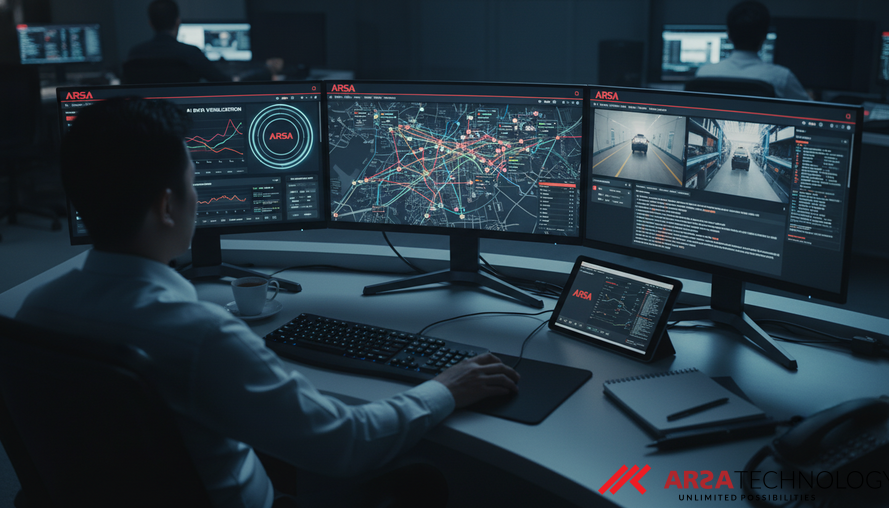
The advent of robotaxis promises a future of safer, more efficient transportation. Yet, beneath the veneer of full autonomy, a human element often remains: remote assistance operators. These individuals serve as a crucial backstop, ready to intervene when self-driving vehicles encounter unforeseen challenges. However, a recent investigation has highlighted a concerning lack of transparency from major autonomous vehicle (AV) companies regarding the frequency and nature of these human interventions, sparking debate about safety, trust, and the true state of AI in transportation.
The Indispensable Role of Remote Assistance in Autonomous Vehicles
Even the most advanced AI-powered autonomous vehicles are not entirely self-sufficient. They operate within a complex, unpredictable world filled with dynamic variables: unexpected road conditions, complex human behavior, construction zones, or unusual traffic events. These "edge cases" often push the limits of current AI capabilities, necessitating human oversight. Remote assistance operators (RAOs) are trained professionals who monitor fleets of driverless vehicles in real-time. When a vehicle encounters a situation it cannot confidently navigate, it flags the issue to an RAO, who can then provide guidance or, in some cases, directly intervene. This human-in-the-loop approach is designed to enhance safety and ensure operational continuity, preventing vehicles from getting stuck or creating hazardous situations. The systems often leverage sophisticated AI Video Analytics to process live camera feeds, helping operators understand the vehicle's perspective and surroundings.
There are varying degrees of intervention. Some systems allow RAOs only to send prompts or suggestions to the vehicle, guiding its next move within a limited scope. Others, more controversially, permit direct control over certain vehicle functions, albeit typically at low speeds and for short durations. The rationale behind remote assistance is clear: to bridge the gap between AI's current limitations and the demand for reliable, safe autonomous service. Without it, many robotaxi operations would face frequent impasses, undermining their practical viability.
A Call for Transparency and Industry Response
The ongoing reliance on remote operators has prompted calls for greater transparency. Senator Ed Markey (D-MA) initiated an investigation into the practices of leading robotaxi companies, seeking crucial data on how often these remote workers are compelled to intervene. Letters were sent to seven prominent AV companies: Aurora, May Mobility, Motional, Nuro, Tesla, Waymo, and Amazon’s Zoox. The core request was for information regarding the frequency of interventions, the nature of the assistance provided, and details about the remote operators themselves.
The responses from these companies, as detailed in a subsequent report, revealed a significant reluctance to disclose the precise number of remote interventions. Senator Markey critically labeled this a "stunning lack of transparency," arguing that such data is vital for regulators, policymakers, and the public to assess the true safety and maturity of autonomous driving technology. Without this insight, it becomes challenging to understand the scale of situations where AI fails and human judgment is paramount. This information is not just about raw numbers; it reflects the robustness of the AI models and the frequency of "edge cases" that still confound current autonomous systems.
Divergent Operating Models: Tesla and Waymo's Approaches
The investigation did, however, shed light on some interesting distinctions in how companies approach remote assistance. Waymo, a leader in the robotaxi space, disclosed that a "substantial share" of its remote agents operate from overseas, specifically in the Philippines. These international operators are required to hold local driver's licenses, but not necessarily US ones. Their role is generally limited to sending prompts to vehicles, enabling movement at speeds up to 2 mph, rather than directly controlling the car. This model emphasizes a guiding role, where the AI still maintains primary control, with human input as a high-level suggestion.
In contrast, Tesla, which launched a limited robotaxi pilot in Austin, presented a different picture. While most of Tesla's autonomous vehicles still feature human safety drivers, the company acknowledged occasionally utilizing remote workers to pilot vehicles at speeds up to 10 mph. Tesla's director of public policy and business development, Karen Steakley, described this direct input as a "last resort," limited in scope and duration. She noted its purpose is to move a vehicle out of a compromising position promptly, reducing the need for on-site recovery. This distinction—direct control versus guided prompts—highlights different philosophies in integrating human oversight into autonomous operations. It reflects varied approaches to the architecture of AI systems, where solutions like the ARSA AI Box Series offer edge processing for localized decision-making, which could reduce the need for constant remote oversight. ARSA Technology has been experienced since 2018 in developing robust AI and IoT solutions that blend automation with necessary human control points.
Safety Incidents and the Imperative for Regulation
The debate over transparency is not purely academic; it is directly linked to real-world safety concerns. There have already been documented incidents related to remote agent errors. One notable case involved a Waymo vehicle in Austin, Texas, which reportedly drove past a school bus with an extended stop sign due to incorrect information provided by a remote assistant. Such incidents underscore the potential risks when human error in remote operations directly impacts public safety. The "last resort" interventions, while intended to mitigate larger issues, still carry the weight of responsibility.
Senator Markey's investigation reinforces the urgent need for stringent regulations governing the use of remote assistants in autonomous vehicles. These regulations should ideally cover areas such as:
- Mandatory Reporting: Standardized disclosure of intervention frequency, types, and duration.
- Operator Qualifications: Clear requirements for remote operator training, licensing, and geographical location.
- Data Privacy: Protocols for handling sensitive video and operational data accessed by remote agents.
- Incident Response: Clear lines of accountability and detailed reporting mechanisms for incidents involving remote assistance.
Without a robust regulatory framework, public trust in robotaxi services may falter, hindering the broader adoption of this transformative technology. The complexities of AI deployment in safety-critical applications necessitate a proactive approach to governance that ensures both innovation and public welfare are prioritized.
Building Trust and the Future of Autonomous Mobility
The future of autonomous mobility depends not just on technological advancement, but equally on public trust. A critical aspect of earning and maintaining this trust is transparency, especially when human fallibility remains a factor in a seemingly "driverless" system. As AI and IoT solutions become more integrated into our daily lives, from smart cities to logistics, clear communication about system capabilities and human oversight mechanisms will be paramount. Companies deploying these technologies must balance competitive concerns with the public's right to understand the safety parameters of systems operating on their roads.
The robotaxi industry, while promising immense benefits in terms of reduced accidents, optimized traffic flow, and increased accessibility, must confront these transparency challenges head-on. As the industry matures, moving from pilot programs to widespread commercial deployment, the "hidden hands" of remote operators will need to become a clearly understood and regulated component of the autonomous ecosystem. This ensures that the promise of AI-driven transportation is delivered safely and responsibly, fostering public confidence in a truly intelligent future.
Source: The Verge
Ready to transform your operations with intelligent AI and IoT solutions that prioritize transparency and reliability? Explore ARSA Technology's production-ready systems and request a free consultation.