The Paradox of EV Adoption: Why Affordable Models Disappear While Costly Ones Persist
Explore the current EV market paradox where budget-friendly electric vehicles are canceled, while expensive models dominate. Discover how AI and robust security solutions can foster broader EV adoption.

The Shifting Tides of EV Adoption
The electric vehicle (EV) market is currently navigating a period of significant turbulence, marked by shifting consumer demand and evolving policy landscapes. While the long-term vision for electric mobility remains bright, recent weeks have seen a curious paradox emerge: a wave of promising, affordable EV models are being discontinued, even as larger, more expensive counterparts continue to roll out. This trend risks alienating a crucial segment of potential buyers, raising questions about the industry's commitment to widespread EV adoption. This article explores these market dynamics and highlights how integrating advanced AI and robust security measures could provide solutions, making EVs more viable and secure across all price points.
The core challenge lies in balancing innovation with market accessibility, ensuring that the future of transportation is inclusive rather than exclusive. Understanding these dynamics is crucial for stakeholders across the automotive and technology sectors. This phenomenon has been widely observed and discussed, for example, in a recent analysis by Andrew J. Hawkins in The Verge (All the wrong EVs are getting canceled).
The Fading Promise of Accessible Electric Vehicles
In recent times, several budget-friendly electric models that held the promise of broadening EV appeal have seen their lifespans cut short. For instance, the Volvo EX30, a compact crossover with an anticipated starting price around $35,000, will not see a 2027 model year in the US. Similarly, Chevrolet's much-anticipated return of the Bolt EV is reportedly limited to an 18-month production run. Nissan also opted to cancel the more affordable 52kWh S trim of its Leaf model in the US and Canada, leaving only the pricier 75kWh versions available.
These cancellations paint a clear picture: automakers are increasingly prioritizing higher-margin, often larger vehicles over their more accessible, lower-priced counterparts. While these affordable EVs may not have been without their imperfections, their disappearance from the market signifies a missed opportunity to attract new demographics to electric mobility, thereby hindering the pace of overall EV adoption. This strategic pivot impacts not only consumers but also the broader goals of sustainable transportation and urban planning.
High-End EVs: Redefining Value or Detracting from Progress?
In stark contrast to the fate of affordable models, the market continues to be populated by large, high-cost electric vehicles. The Cadillac Escalade IQ, for example, which starts at approximately $127,000 and boasts substantial weight, exemplifies this trend. Perhaps the most polarizing example is the Tesla Cybertruck. Despite being widely discussed and experiencing a significant 48 percent drop in sales in 2025 compared to the previous year, according to Kelley Blue Book's annual electric vehicle sales reports, the angular truck remains in production.
Compounding its market challenges, the Cybertruck has faced criticism for its volatile pricing strategy, including a notable 17 percent price hike for its AWD version to $69,990 just ten days after its initial introduction at $59,990. Beyond commercial hurdles, the vehicle has been a target of public dissatisfaction, with incidents of vandalism reported, demonstrating a passionate, often negative, public sentiment. This scenario underscores a key question: are these high-end, often controversial, EVs truly advancing the electric future, or are they inadvertently hindering broader acceptance by their exclusionary nature and specific market challenges?
Beyond Aesthetics: The Imperative of AI and Security in Vehicle Innovation
The current market imbalance highlights the need for a more holistic approach to EV development, one that leverages advanced technology to ensure viability and security across all segments. Artificial Intelligence (AI) and the Internet of Things (IoT) are pivotal in making electric vehicles more practical, cost-effective, and secure. For instance, AI can optimize battery performance and predictive maintenance, extending vehicle lifespan and reducing ownership costs—factors critical for affordable EVs. In manufacturing, AI-driven automation can streamline production, potentially lowering the cost basis for all vehicles.
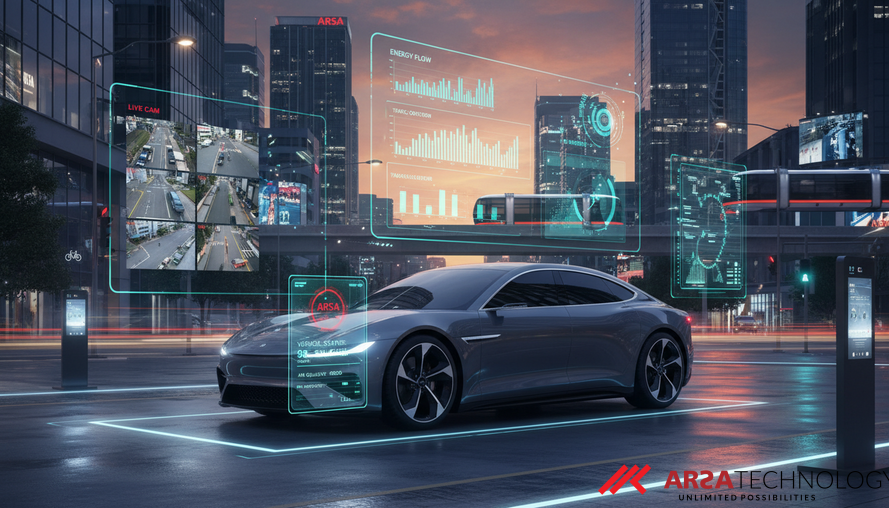
Beyond internal efficiencies, AI is crucial for enhancing vehicle security. As incidents of vandalism demonstrate, physical robustness alone isn't enough. Intelligent monitoring systems, like those powered by AI Video Analytics, can detect anomalous behavior around vehicles, triggering alerts and even aiding in incident response. This extends to smart parking solutions and comprehensive vehicle monitoring, where systems like AI BOX - Traffic Monitor can provide real-time data on vehicle presence, movement, and potential threats. For enterprises managing fleets, custom AI solutions can integrate fleet management with advanced security protocols, ensuring both operational efficiency and asset protection.
Strategic Deployment: Ensuring AI's Role in a Sustainable EV Future
The strategic deployment of AI in the automotive sector goes beyond individual vehicle features; it encompasses the entire ecosystem, from manufacturing plants to urban traffic management and digital services. By addressing challenges such as high production costs, maintenance complexities, and security vulnerabilities with intelligent solutions, AI can help create a more sustainable and equitable EV future. This involves not only developing cutting-edge algorithms but also ensuring that these systems are deployed in real-world environments with considerations for privacy, data sovereignty, and seamless integration with existing infrastructure.
ARSA Technology has been experienced since 2018 in developing and deploying such AI and IoT solutions across various industries, understanding the nuances of implementation where data control and operational reliability are paramount. Whether through cloud-based APIs, on-premise software, or turnkey edge systems, the flexibility of deployment models is critical for enterprises and governments to embrace new technologies without compromising their specific operational and compliance needs.
Conclusion: Navigating the Future of Electric Mobility
The current landscape of the electric vehicle market presents both challenges and opportunities. The trend of canceling affordable EVs while expensive models dominate underscores an urgent need for the industry to reassess its strategy for broad adoption. By strategically integrating advanced AI and robust security measures, the automotive sector can address critical issues such as cost, operational efficiency, and vehicle protection. This not only enhances the value proposition of EVs across all price points but also fosters a more inclusive and sustainable future for electric mobility.
To explore how AI and IoT solutions can transform your organization's operations and secure your assets, we invite you to contact ARSA for a free consultation.