The Rise of AI Influencers: Navigating Authenticity and Innovation in a New Awards Season
Explore the burgeoning AI influencer industry as it gains legitimacy with dedicated awards. This article delves into the challenges, opportunities, and the complex nature of "synthetic authenticity."

The New Frontier of Digital Influence: AI Personalities Take Center Stage
The digital landscape is constantly evolving, with new forms of content and communication emerging at an unprecedented pace. One of the most intriguing developments is the rapid ascent of AI influencers – virtual personalities crafted by artificial intelligence to engage with audiences, endorse brands, and even entertain. What began as a quirky novelty is fast maturing into a serious and lucrative industry, now even marked by its own "awards season," a clear signal of its growing legitimacy and commercial clout. This transition highlights a pivotal moment in the digital economy, moving beyond mere experimentation into measurable impact and sophisticated audience engagement, as detailed in a recent report by Robert Hart for The Verge.
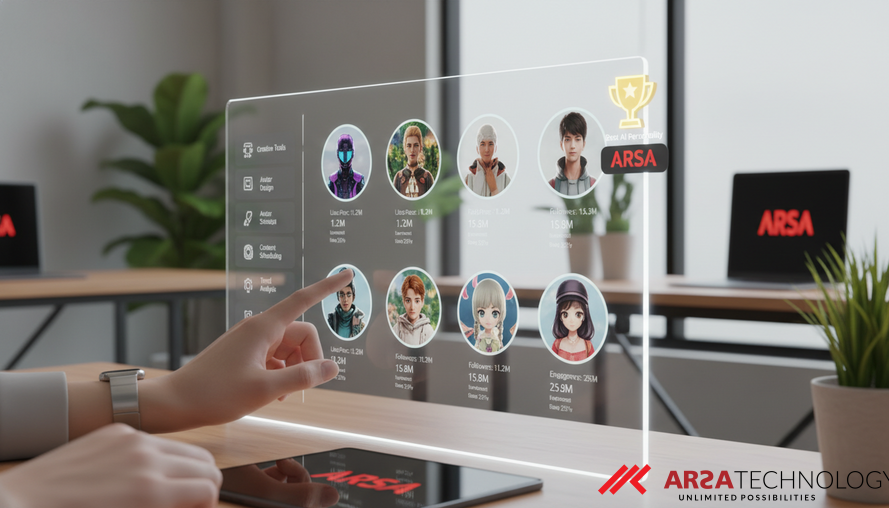
This burgeoning ecosystem, characterized by generative AI studios and AI-powered creator platforms, is now host to contests such as the "AI Personality of the Year" award. This initiative, a collaborative effort between generative AI studio OpenArt and creator platform Fanvue, with support from AI voice company ElevenLabs, aims to celebrate the creative talent behind these digital avatars. The organizers envision an event akin to the "Oscars" for AI personalities, underscoring the industry's aspiration for mainstream recognition and prestige.
Understanding the AI Influencer Phenomenon
AI influencers are digital entities brought to life through advanced artificial intelligence, capable of generating diverse content from images and videos to text and audio. Unlike traditional human influencers, these virtual personalities offer unique advantages: they are always "on," can maintain a consistent brand image without human error or personal controversies, and can be scaled globally with relative ease. Brands are increasingly leveraging these AI-driven figures for marketing campaigns, product launches, and customer engagement, recognizing their potential to reach niche demographics and create highly personalized content experiences. The ability of AI to create compelling, lifelike characters is redefining what it means to be an influencer and how audiences connect with digital personas.
However, the rise of AI influencers also introduces complexities. Questions around originality, data privacy, and the ethical implications of creating entirely synthetic personas are becoming increasingly pertinent. As these digital entities become more sophisticated, the distinction between human and artificial influence blurs, prompting a critical re-evaluation of authenticity in the digital age.
The Criteria for AI Excellence: More Than Just Pixels
The "AI Personality of the Year" contest offers a fascinating glimpse into the nascent industry’s standards for success. Contestants vie for a total prize fund of $20,000, distributed across categories like fitness, lifestyle, comedy, music and dance, and fictional characters (cartoons, anime, fantasy). To enter, creators must develop their AI influencer on platforms like OpenArt and submit their social media presence across major platforms such as TikTok, X, YouTube, and Instagram. Crucially, they must also provide the story behind the character, their motivations for its creation, and details of any existing brand partnerships. This emphasizes that even in the realm of AI, narrative and strategic brand alignment are paramount.
According to the judges' briefing, contestants are evaluated on four primary criteria:
- Quality: This goes beyond mere aesthetics, extending to technical precision. For instance, judges look for "accurate details like having the right number of fingers and thumbs," a common tell-tale sign of AI generation issues. This is where advanced AI video analytics and computer vision systems, like those offered by ARSA Technology, could play a role in quality control and anomaly detection during the creation and refinement process of AI visuals.
- Social Clout: Measured by consistent and reliable engagement with followers across various social channels.
- Brand Appeal: The avatar's potential and proven ability to attract and effectively represent brands.
- Inspiration Behind the Avatar: The underlying narrative and creative vision that gives the AI personality its "authentic narrative."
The Paradox of Authenticity and Anonymity
One of the most debated aspects of the AI influencer awards is the organizers' initial stance on creator anonymity. While the contest aims to celebrate the "creative talent 'behind' AI Influencers," entrants are not required to publicly identify themselves. This creates an interesting paradox: how can "authentic narrative" be judged when the human author can remain hidden? The anonymous nature of AI content creation has, in some cases, been exploited by "grifters" who propagate misinformation or harmful content with little accountability. Although organizers later clarified that personal details are required for entry and offensive content is prohibited, the initial discussion highlights the inherent tension between privacy and responsibility in this evolving field.
For enterprises considering leveraging AI influencers, the provenance and ethical grounding of these digital assets are critical. Ensuring that the underlying AI models are free from biases and that the content generated aligns with corporate values requires robust oversight. This is where a trusted partner like ARSA, with its focus on privacy-by-design and reliable AI deployment, can offer valuable custom AI solutions and guidance to navigate these complex ethical landscapes.
Challenges and Ethical Considerations in AI Content Creation
Beyond anonymity, the AI influencer space faces significant challenges:
- Originality and Copyright: A persistent concern is whether AI-generated work, or even the likeness of an AI personality, is inadvertently "lifted" or derived from existing real-world creators without proper attribution or consent. This raises complex legal and ethical questions about intellectual property in an age of generative AI.
- Bias and Representation: AI models are trained on vast datasets, and if these datasets contain biases, the AI-generated output will inevitably reflect them. Critics, for example, pointed out how the "Miss AI" beauty pageant (another Fanvue initiative) appeared to perpetuate "toxic gendered beauty norms" by creating unrealistic and potentially harmful representations. Developers must be vigilant in curating training data and implementing fairness mechanisms to ensure equitable and diverse outputs.
- The "Synthetic Authenticity": While seemingly contradictory, the concept of "synthetic authenticity" is central to the AI influencer phenomenon. It acknowledges that while the personalities themselves are not real, the stories, emotions, and connections they forge can feel genuine to audiences. This reflects how the internet has long handled personas that are "not strictly real" but resonate deeply. The key for creators and brands is to lean into this synthetic nature responsibly, understanding that transparency and ethical design are paramount.
ARSA Technology's Role in a Responsible AI Future
As the AI influencer industry matures, the demand for reliable, ethical, and performant AI solutions will only grow. ARSA Technology, with its expertise in enterprise AI and IoT solutions, can play a crucial role in shaping a responsible future for digital content creation. Our capabilities in computer vision and robust AI deployment are foundational for validating the "quality" of AI-generated content, detecting anomalies like incorrect anatomical features, and ensuring visual consistency. Moreover, ARSA's commitment to on-premise solutions and data sovereignty for its Face Recognition & Liveness SDK and AI Video Analytics Software ensures that companies can maintain full control over sensitive data and intellectual property, addressing critical compliance and privacy concerns associated with synthetic content creation. This enables creators and enterprises to explore the potential of AI-driven influence while adhering to the highest standards of ethics and security.
The Road Ahead for AI Influencers
The introduction of dedicated awards for AI personalities is more than just a marketing stunt; it signifies a growing acceptance and investment in a new form of digital creativity and commerce. As this industry continues to evolve, it will undoubtedly push the boundaries of technology, ethics, and human-AI collaboration. The discussions surrounding originality, authenticity, and accountability will intensify, prompting developers, platforms, and regulatory bodies to establish clear guidelines. Ultimately, the success and longevity of AI influencers will depend on their ability to offer genuine value, inspire meaningful engagement, and be developed and deployed with transparency and integrity.
For a deeper dive into the specifics of this new awards season, refer to the original article: AI influencer awards season is upon us by Robert Hart for The Verge.
To learn more about how ARSA Technology can help your enterprise leverage advanced AI and IoT solutions responsibly, and to discuss how our expertise can support your digital transformation initiatives, we invite you to contact ARSA for a free consultation.