Unleashing Edge Power: How Advanced E-Bike Technology is Redefining Personal Mobility
Explore the latest in e-bike innovation, featuring powerful motors, smart features like heart rate control, and lightweight designs. Discover how edge AI and IoT are transforming personal transportation for performance and user experience.

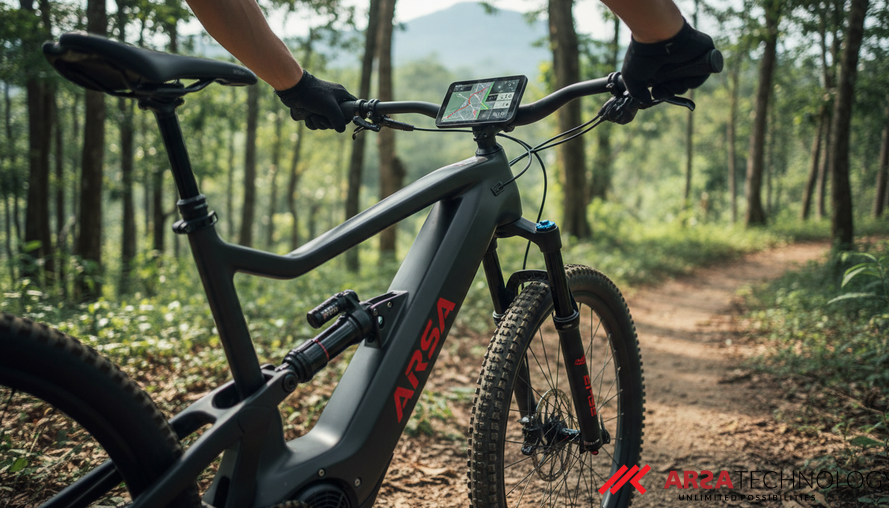
Advanced e-bike technology is rapidly evolving, pushing the boundaries of what’s possible in personal electric mobility. Recent innovations highlight a significant leap forward, particularly in power delivery, range, and the integration of intelligent features that enhance the rider experience. These advancements are transforming electric mountain bikes (eMTBs) from niche products into sophisticated, high-performance machines capable of tackling diverse terrains with unparalleled efficiency and smart assistance.
A new generation of e-bikes, emerging from the lineage of drone technology innovators like DJI, is setting new industry standards. These bikes are engineered around high-density motors that promise a formidable combination of power and extended range, all within a remarkably lightweight package. This shift signals a new era where the traditional compromises between power, battery life, and overall bike weight are being overcome, paving the way for more capable and enjoyable riding experiences.
The Dawn of High-Density Electric Motors
The core of this revolution lies in cutting-edge motor technology. Take, for instance, the new M2S and M2 drive systems developed by Avinox, which represent a significant stride in e-bike propulsion. These compact yet potent motors are capable of delivering up to 1,500W of peak power and an astonishing 150Nm of torque. Such power figures are exceptional for e-bikes, enabling riders to conquer steep ascents and challenging trails with unprecedented ease. The sheer force generated, however, also underscores the necessity for sophisticated motor management systems, typically enhanced by artificial intelligence, to prevent component stress and ensure smooth, controlled power delivery.
The adoption of Avinox drive systems by over 60 other e-bike manufacturers, including prominent names like Canyon, Mondraker, and Pivot, signals a widespread recognition of this technology’s disruptive potential. This broad market integration suggests that such powerful, lightweight systems are becoming the new benchmark, challenging established players like Bosch to innovate further. This competitive landscape ultimately benefits consumers by driving continuous improvement and offering a wider array of high-performance options.
Optimized Design and Battery Innovation
Beyond the motor, holistic design plays a crucial role. Modern eMTBs now feature carbon fiber frames that are not only lightweight but also highly configurable, offering up to 40 potential geometric combinations. This level of customization allows riders to fine-tune their bike’s setup to perfectly match their riding style, body ergonomics, and the specific demands of their chosen terrain, from aggressive downhill trails to endurance cross-country routes. The Amflow PX, for example, weighs approximately 20kg (44lbs), while the Amflow PR comes in at around 22kg (49lbs), showcasing how engineering prowess can keep these powerful machines relatively light.
Battery technology has also seen considerable advancements to support these high-performance systems. The Amflow PR, for instance, is equipped with an 800Wh removable battery, offering substantial range for extended adventures. For riders embarking on exceptionally long journeys, the convenience of swapping out a depleted battery for a fresh one is a game-changer. Furthermore, these batteries support rapid charging, achieving an 80% charge in about 1.5 hours, minimizing downtime between rides. An optional 600Wh battery can also be mounted to the frame, allowing for a dual-battery configuration that further extends range, making long-distance e-bike touring more accessible than ever.
Intelligent Features for an Enhanced Riding Experience
The integration of smart technology is transforming the e-bike from a mere electric-assist bicycle into a connected, intelligent companion. Modern e-bikes come equipped with onboard navigation systems, often displayed on integrated 2-inch OLED touchscreens, providing turn-by-turn directions directly to the rider. Connectivity features like Apple Find My integration, available on models such as the Amflow PR, offer enhanced security and peace of mind by allowing owners to track their valuable assets.
One of the most innovative features is heart rate control, where riders can pair a heart rate monitor to the bike, and the motor will automatically adjust the pedal assist level to keep them within a specific target heart rate zone. This AI-driven feature caters to various riding goals, from optimizing cardiovascular training and endurance to ensuring a consistent, comfortable pace during casual rides. Such personalized assistance enhances both performance and safety, reflecting a broader trend in smart devices. This sophisticated level of dynamic control is enabled by advanced algorithms and real-time data processing, reminiscent of the custom AI solutions that ARSA Technology builds for various industries.
The Broader Impact of AI and IoT in Mobility
The innovations seen in advanced e-bikes are a microcosm of the larger impact of Artificial Intelligence and the Internet of Things (IoT) on mobility. Edge AI, where data processing happens directly on the device, allows for real-time responsiveness, enhanced privacy (as data doesn't always need to leave the device), and reduced latency, which is critical for dynamic features like heart rate control and motor torque management. These principles are at the heart of many modern IoT deployments, from smart factories to intelligent infrastructure.
ARSA Technology, a company experienced since 2018 in delivering robust AI and IoT solutions, understands the power of on-device intelligence. Solutions like the AI Box Series exemplify this approach, bringing real-time analytics to the edge for various applications, including smart city initiatives and traffic monitoring. The ability to process data locally ensures operational reliability and compliance, especially in sensitive environments. The seamless integration of hardware and software, much like that required for sophisticated e-bike systems, is a hallmark of effective AI/IoT deployment across various industries.
Market Dynamics and Future Outlook
The market’s reception to these high-performance e-bikes, exemplified by the Amflow PX Carbon, available in Europe and Australia starting at $7,999 for the base model and $10,199 for the Pro, indicates a growing demand for premium electric mobility solutions. The Amflow PR Carbon, set to arrive later in the year with a starting price of $4,999, promises to make advanced features more accessible. This tiered pricing strategy reflects the diverse needs and budgets within the expanding e-bike market.
The rapid adoption of Avinox drive systems by numerous manufacturers signifies a collective push towards more powerful, efficient, and intelligent e-bike experiences. As these technologies mature, we can anticipate even greater integration of AI and IoT, leading to predictive maintenance, adaptive security features, and deeper personalization, further blurring the lines between traditional cycling and sophisticated smart transportation.
These developments underscore the crucial role that AI and IoT play in transforming not just personal devices, but entire ecosystems of connected solutions. From enhancing the safety and efficiency of industrial operations to revolutionizing personal mobility, the intelligent integration of technology is creating new opportunities for performance, convenience, and sustainability.
For enterprises and governments looking to harness the power of AI and IoT for their operational needs, ARSA Technology offers a range of innovative solutions, including enterprise AI video analytics and bespoke industrial IoT platforms. To discover how ARSA Technology can help engineer your next competitive advantage, we invite you to contact ARSA for a free consultation.
Source: The Verge