Corporate Surveillance and Face Recognition: The Madison Square Garden Controversy
Explore the Madison Square Garden controversy, where a lawyer representing an injured NYPD officer was banned using facial recognition, raising critical questions about corporate surveillance, privacy, and public trust.

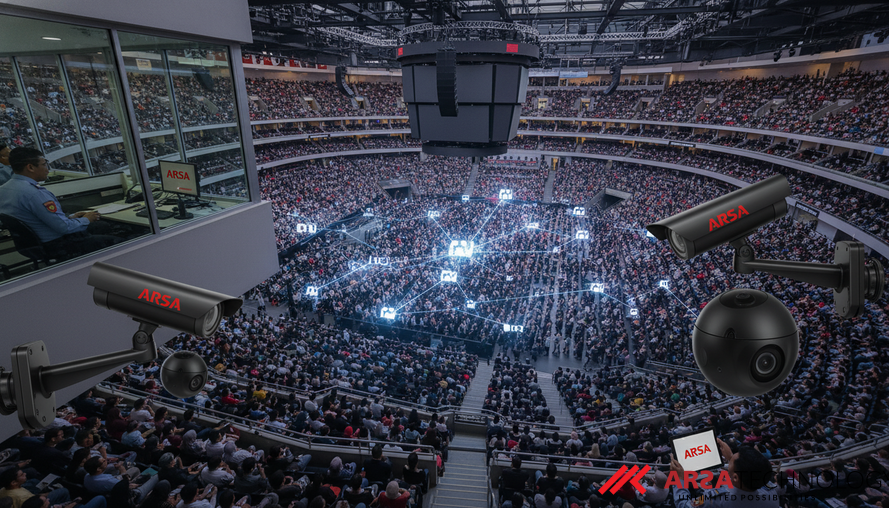
A recent controversy involving Madison Square Garden (MSG) and a New York Police Department (NYPD) officer's lawyer has thrown a spotlight on the evolving landscape of corporate security, the pervasive reach of facial recognition technology, and the complex interplay between private entities and public trust. This incident serves as a crucial case study for enterprises grappling with the ethical and operational implications of advanced surveillance systems, highlighting the need for transparent policies and robust data governance.
Corporate Policies and Biometric Bans
The heart of the controversy centers on John Scola, a lawyer renowned for representing NYPD officers. Scola found himself banned from Madison Square Garden and other venues owned by the influential James Dolan after filing a lawsuit on behalf of NYPD veteran John Przybyszewski. Przybyszewski was reportedly injured during an off-duty security detail at an MSG boxing match in February 2025 (as stated in the lawsuit). This ban, enforced through MSG's "increasingly sophisticated facial recognition system," resurrects long-standing concerns about Dolan's policy of excluding legal professionals involved in disputes with his companies. A letter reviewed by WIRED, dated April 30, explicitly stated that "Any tickets to MSG Venues are hereby revoked" for Scola, confirming the continuation of this controversial practice.
The use of advanced face recognition APIs for such purposes raises significant questions about the extent of corporate power to control access based on legal disagreements. While businesses typically have the right to refuse service, applying a widespread digital blacklist via biometric data to an entire profession, or individuals engaged in legal action, tests the boundaries of ethical data usage and potential discrimination. For organizations considering similar technologies, balancing security needs with maintaining public goodwill and avoiding legal challenges is paramount. Solutions like ARSA Technology's range of AI Video Analytics systems are designed with flexibility for deployment, emphasizing the importance of clear operational guidelines and ethical considerations.
The Blurring Lines of Public and Private Surveillance
The incident also exposes the nuanced and often blurred relationship between private security operations and public law enforcement. WIRED previously reported that MSG's security functions, including its facial recognition capabilities, extended beyond the venue's physical walls, creating what some have termed an "unsanctioned surveillance force" in midtown Manhattan. This perceived expansion of surveillance without formal NYPD oversight prompted New York City Mayor Zohran Mamdani to express deep concern and promise further investigation, highlighting a significant governance gap.
While MSG owner James Dolan defends the biometric surveillance as a measure to prevent "dangerous actors" from entering his properties, the fact that MSG added a New York police officer's photo to its database without official NYPD data sharing underscores the lack of transparency and coordination. This raises critical questions for governments and public institutions about how to regulate and collaborate with private entities employing powerful surveillance technologies. Ensuring data sovereignty and compliance is a key challenge, particularly for sensitive data. ARSA Technology, with its on-premise AI Video Analytics Software and Face Recognition SDK, provides options for full data control, enabling organizations to deploy AI within their own infrastructure without cloud dependency, which is crucial for regulated industries and privacy-sensitive environments.
The Incident and its Legal Aftermath
The catalyst for this legal and ethical skirmish was an incident at a lightweight boxing match held at MSG’s Hulu Theater. The lawsuit claims that while MSG brass determined eight off-duty police officers were needed for active crowd control at the potentially large event, only two, including Officer Przybyszewski, were actually present. During the match, chaos erupted near ringside, reportedly involving rapper Lil Tjay and his entourage in a scuffle with MSG security. Przybyszewski claims he was knocked to the ground, sustaining "severe pain" and later diagnosed with "significant cervical and lumbar spine injuries," some allegedly permanent.
Officer Przybyszewski, an NYPD veteran with seven years of experience, subsequently sued both Lil Tjay and Madison Square Garden, alleging that the defendants made "conscious operational decisions that placed Plaintiff directly in harm’s way." The lawsuit, filed by John Scola, highlights the direct link between alleged corporate negligence in security staffing and the officer's injuries. This specific case underscores the importance of proper resource allocation and risk assessment in high-stakes environments, where human safety is paramount.
Broader Implications for Privacy, Rights, and Corporate Accountability
The MSG controversy transcends a single lawsuit or corporate policy; it delves into fundamental questions about privacy, individual rights, and corporate accountability in the digital age. New York Attorney General Letitia James voiced her concern, stating, "New Yorkers should be able to go to a game or a concert without their rights being violated," and confirmed her office is "closely reviewing the latest reporting on Madison Square Garden surveillance tactics."
This stance resonates with growing international concerns about unchecked biometric surveillance. While facial recognition offers clear benefits for security and operational efficiency when deployed responsibly, its use for enforcing blacklists against lawyers, or monitoring public spaces without clear guidelines, raises red flags. The potential for such systems to be misused, to chill legitimate dissent, or to create an environment of pervasive monitoring is a significant concern for civil liberties advocates and regulatory bodies worldwide. Companies like ARSA Technology, having been experienced since 2018 in developing and deploying AI and IoT solutions, prioritize balancing innovation with ethical deployment, focusing on transparent and compliant implementation across various industries.
The lawyer, John Scola, despite being banned, remains pragmatic, noting that while the ban might be "a little bit petty," his primary focus is representing his client. This sentiment underscores the enduring tension between corporate interests and the legal and ethical frameworks designed to protect individuals.
Conclusion
The Madison Square Garden controversy serves as a potent reminder of the critical need for clear regulations, ethical guidelines, and transparent practices surrounding the deployment of advanced surveillance technologies like facial recognition. As AI and IoT solutions become more integrated into our daily lives and enterprise operations, the discussion around data privacy, corporate accountability, and the rights of individuals in public and private spaces will only intensify. Companies must navigate these complexities with a commitment to both innovation and ethical responsibility, ensuring their technological advancements contribute positively to society while upholding fundamental rights.
To explore how ARSA Technology can help your enterprise implement advanced AI and IoT solutions responsibly, with a focus on data privacy, security, and operational efficiency, we invite you to contact ARSA for a free consultation.
Source: Wired.com