Navigating Healthcare AI: Lessons from BioticsAI on FDA Approval and Sustainable Innovation
Learn how BioticsAI secured FDA approval for its AI ultrasound copilot, offering crucial insights into regulatory strategy, investor relations, and team motivation for healthcare AI startups.

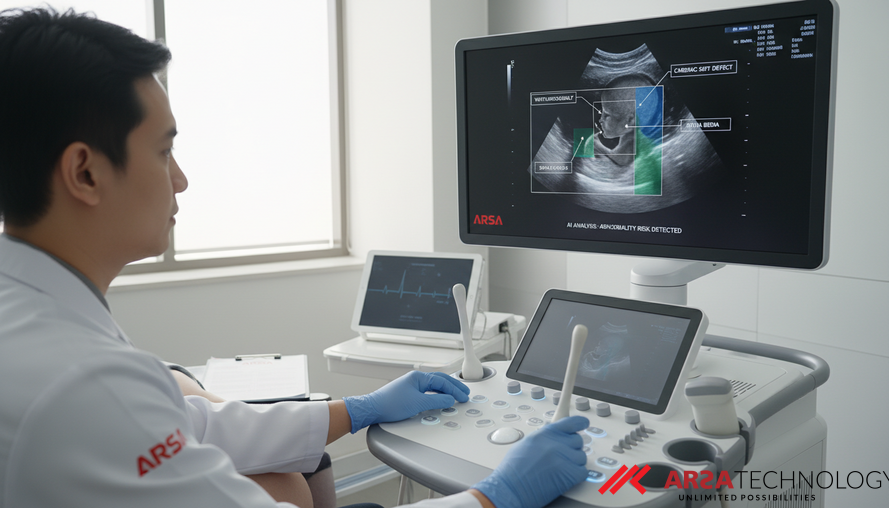
Building groundbreaking artificial intelligence solutions within the healthcare sector presents a unique set of challenges that distinguish it from nearly any other industry. Unlike the "move fast and break things" ethos often associated with tech startups, innovation in medical AI demands precision, rigorous validation, and a profound respect for regulatory frameworks. The stakes are inherently higher when technology directly impacts patient health and safety, leading to extended development timelines and complex approval processes. This reality is well understood by Robhy Bustami, co-founder and CEO of BioticsAI, a company at the forefront of developing an AI copilot for ultrasound to detect fetal abnormalities. This critical application addresses an area where misdiagnosis rates remain unacceptably high, highlighting the immense potential for AI to improve patient outcomes.
In an insightful discussion, Bustami shed light on BioticsAI's journey through this highly regulated landscape, detailing how they maintained team morale while navigating the extensive "red tape" necessary for market entry. Their story, as shared in a discussion reported by TechCrunch in an article titled "FDA approval, fundraising, and the reality of building in healthcare according to BioticsAI founder," offers invaluable lessons for any entrepreneur looking to make a measurable impact in healthcare.
The Unconventional Path to FDA Approval
BioticsAI initially started with a lean, resourceful approach. They successfully developed an early, functional prototype of their AI copilot for under $100,000—a remarkable feat in the medical device sector where development costs typically soar. This early prototype was more than just a proof of concept; it was a foundational asset that garnered significant early attention and credibility, culminating in their victory at the TechCrunch Startup Battlefield in 2023. This achievement provided critical visibility, but the real challenge lay ahead: securing regulatory clearance.
The team's strategy diverged significantly from the common startup inclination to build first and address regulation later. From the very inception of their product development, BioticsAI integrated clinical validation and regulatory strategy into a singular, cohesive process. This meant cultivating close collaborations with clinicians from day one, meticulously collecting large-scale, high-quality datasets, and conducting structured clinical studies long before any submission was prepared. This proactive approach underscores a fundamental truth in healthcare AI: regulatory readiness is not a post-development hurdle but an intrinsic part of the development lifecycle. Companies like ARSA Technology, with expertise in custom AI solutions, similarly advocate for early integration of compliance and deployment considerations in mission-critical applications.
Navigating Regulatory Hurdles and Investor Concerns
The FDA approval process is often perceived by many startups as an opaque "black box," filled with unpredictable requirements and lengthy delays. However, Bustami emphasized that this perception can be mitigated through strategic engagement. BioticsAI's experience demonstrated the profound benefit of early communication with regulators. Through pre-submission meetings, the team was able to align on study design, clarify expectations, and gain insights that de-risked their pathway to approval. This consultative approach is crucial for demystifying regulatory requirements and avoiding costly rework.
Despite diligent preparation, the inherent risks within healthcare innovation never entirely disappear. For investors, a core question always looms: "What if the FDA says no?" This uncertainty translates into higher scrutiny and a need for startups to articulate a clear, risk-mitigated regulatory roadmap. The long timelines associated with medical device approvals also mean that fundraising cycles must accommodate these extended periods of development and validation before revenue generation can scale significantly. Robust on-premise solutions that maintain data sovereignty, such as ARSA's AI video analytics software, can address some of the privacy and compliance concerns critical for securing investment in regulated industries.
Sustaining Momentum: Keeping Teams Motivated Through Long Cycles
Beyond external regulatory and investor pressures, the internal dynamics of a healthcare AI startup present their own set of challenges. The extended timelines typical of medical device development can be a significant hurdle for team motivation, particularly when major milestones are years away. At BioticsAI, this was addressed by fostering a strong culture of alignment across all disciplines—engineers, clinicians, and researchers. Bustami highlighted the importance of ensuring every team member, regardless of their specific technical scope, understood the overarching mission and recognized the incremental "wins" occurring along the way.
These wins included positive outcomes from clinical studies, successful data collection phases, and new healthcare partnerships. Celebrating these smaller, yet significant, achievements helped to maintain morale and keep the team focused on the ultimate goal of improving patient care. This holistic approach to team management is vital for deep tech companies like ARSA, who have been experienced since 2018 in delivering complex AI and IoT solutions across various regulated industries.
From Concept to Clinical Deployment: The Future of AI in Healthcare
With FDA clearance secured in January, BioticsAI has transitioned into a pivotal new phase: widespread deployment. The company is now actively rolling out its AI copilot technology in hospitals, marking a significant step from rigorous development to real-world application. This initial launch is focused on obstetrics but plans are already underway to expand the technology's reach into broader areas of reproductive health, demonstrating the scalability and versatility of their core innovation.
The journey of BioticsAI exemplifies that building in healthcare is undeniably a long game. It demands exceptional patience, unwavering discipline, and a preparedness to operate amidst inherent uncertainties. However, for founders and innovators willing to embrace this rigorous path, the rewards extend far beyond the establishment of a successful company. It offers the profound opportunity to create solutions that fundamentally transform how healthcare is delivered, making a tangible and lasting positive impact on human lives. ARSA Technology is committed to supporting such transformative efforts across various industries by providing practical, production-ready AI and IoT systems.
To explore how advanced AI and IoT solutions can transform your enterprise operations or to discuss your specific needs in highly regulated environments, we invite you to contact ARSA for a free consultation.