Volvo's New Affordable EV: Charting a Course Beyond the EX30's Challenges
Volvo teases an upcoming affordable EV to replace the discontinued EX30 in the US market. Explore the challenges of electric vehicle affordability, tariffs, and the crucial role of AI/IoT in supporting future EV ecosystems.

Volvo's Strategic Pivot: A New Affordable EV on the Horizon
The automotive industry is in a constant state of evolution, particularly within the burgeoning electric vehicle (EV) market. Volvo, a brand synonymous with safety and Scandinavian design, is once again adjusting its strategy for North America, teasing a new affordable electric model slated for a 2027 debut. This upcoming vehicle is intended to fill the void left by the recently discontinued EX30, a compact EV that faced significant headwinds despite its initial promise of accessibility. This strategic move highlights the complex interplay of pricing, market dynamics, and geopolitical factors in the global shift towards electrification.
The decision to introduce a successor underscores Volvo’s commitment to offering competitively priced electric options, even as the path to mass-market EV adoption presents unique challenges for manufacturers. As reported by Andrew J. Hawkins on The Verge on May 18, 2026, Volvo Cars America President Luis Rezende confirmed that the new EV would occupy a similar segment to the EX30, albeit likely with a slightly different price point and a larger form factor, promising a "fun to drive" experience with more interior space.
The EX30's Tumultuous Journey
The Volvo EX30 was initially announced in 2023 with an enticing starting price of $34,950, positioning it as a highly anticipated entry into the affordable EV segment. This pricing aimed to meet the growing demand for smaller, budget-friendly electric vehicles. However, external factors soon complicated its market introduction. Due to newly implemented tariffs on vehicles manufactured in China, Volvo was compelled to delay the EX30's launch in the US until 2025. When it finally arrived, the vehicle’s starting price had climbed to $44,900, approximately $10,000 above its original projection. This significant price increase eroded its core appeal as a truly affordable option for many consumers.
Beyond pricing concerns, the EX30 also encountered a critical technical setback. In February, Volvo initiated a recall for the EX30 models due to a risk of battery overheating or even catching fire, posing a safety hazard, particularly when parked indoors. This issue undoubtedly contributed to the company’s decision to pull the vehicle from the US market the following month, marking a swift end to its brief and challenging tenure. This experience highlights the stringent quality control and safety requirements inherent in high-volume vehicle manufacturing, where integrated solutions for real-time monitoring and predictive maintenance are paramount to ensure vehicle safety and operational reliability.
The Broader Challenge of Mass-Market Electric Vehicles
The experience of the EX30 reflects a wider industry struggle to produce electric vehicles that are both desirable to consumers and profitable for automakers, especially within the affordable price bracket in markets like the US. Achieving this delicate balance requires a combination of large-scale production, robust vertical integration within the supply chain, and mastery of complex manufacturing processes. These capabilities are notably more advanced in certain regions, with companies in China demonstrating significant proficiency in streamlining EV production and managing costs.
Volvo’s ownership by China’s Geely provides a unique position in this landscape. However, the dynamics of selling EVs in North America necessitate a distinct approach to affordability, often requiring localized manufacturing or specific tariff strategies. The goal remains to deliver value without compromising quality or safety, a challenge that many global automakers are still actively navigating. Advanced AI and IoT solutions play a crucial role in enabling manufacturers to optimize their production lines, enhance quality control, and manage complex supply chains, ensuring that vehicles meet market demands and regulatory standards. For instance, the use of AI BOX - Basic Safety Guard could significantly improve safety compliance and operational efficiency in manufacturing plants producing EV components or assembling the vehicles themselves, by proactively identifying potential hazards and ensuring adherence to safety protocols.
AI and IoT in the Evolving EV Ecosystem
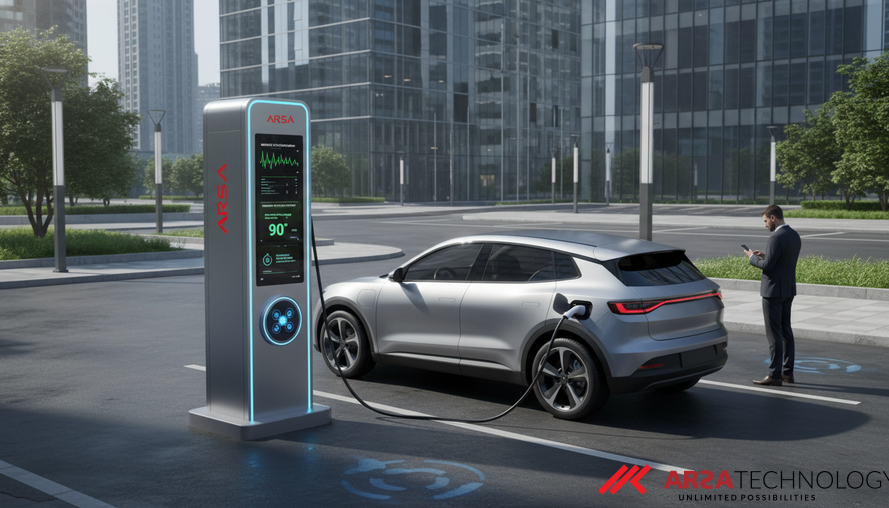
As the EV landscape continues to mature, the integration of Artificial Intelligence and the Internet of Things is becoming increasingly critical, not only for vehicle performance but also for the supporting infrastructure. From optimizing manufacturing processes to managing intelligent charging networks, AI and IoT offer solutions that enhance efficiency, safety, and user experience. For instance, sophisticated AI Video Analytics can be deployed in smart cities to monitor traffic flow, predict congestion, and even identify optimal routes for EV charging stations, ensuring seamless integration of electric vehicles into urban environments.
Moreover, the development of robust smart charging systems and energy management platforms relies heavily on IoT sensors and AI-driven predictive analytics. These technologies enable real-time monitoring of energy consumption, optimize charging schedules to minimize grid strain, and provide critical data for infrastructure planning. For companies like ARSA Technology, which has been experienced since 2018 in delivering AI and IoT solutions, the broader EV ecosystem presents opportunities to deploy intelligence that enhances security, optimizes operations, and creates new value streams for enterprises and governments alike. This includes developing custom solutions that can support anything from vehicle analytics and access control at charging hubs to comprehensive monitoring of large-scale EV fleet operations.
Looking Ahead: The Future of Accessible Electric Mobility
Volvo's anticipation of a new affordable EV for 2027 signals its ongoing commitment to making electric mobility more accessible, even after the challenging experience with the EX30. This forward-looking strategy, combined with a focus on delivering a larger, family-oriented yet "fun to drive" vehicle, suggests an adaptation to market feedback and evolving consumer preferences. The success of this next model will depend not only on its base price but also on its ability to offer compelling value, address past concerns, and integrate seamlessly into a rapidly expanding digital and sustainable transportation infrastructure.
The journey toward widespread electric vehicle adoption is paved with both innovation and obstacles. As manufacturers like Volvo continue to refine their offerings, the underlying technological advancements in AI and IoT will be instrumental in ensuring that these vehicles are not only affordable and safe but also part of a larger, intelligent ecosystem.
To explore how AI and IoT can transform your operations, from smart infrastructure to enhanced security, please contact ARSA for a free consultation.
Source: Volvo teases a new affordable EV to replace discontinued EX30