Introduction: Overcoming Content Accessibility Challenges in Education
The digital transformation of education has opened unprecedented opportunities for learning, yet it has also cast a spotlight on critical accessibility gaps. For millions of disabled students worldwide, traditional e-learning content, often text-heavy or visually oriented, presents significant barriers. Ensuring equitable access to educational resources is not just a regulatory mandate; it is a moral imperative and a strategic advantage for institutions committed to fostering a truly inclusive learning environment. The challenge lies in creating dynamic, high-volume e-learning content that is inherently accessible without compromising quality or scalability.
ARSA Technology recognizes this pressing need. Our high-performance Text-to-Speech (TTS) API is engineered to empower education providers to transform their digital content into engaging, natural-sounding audio, directly addressing the core pain point of content accessibility for disabled students. This article delves into the critical performance considerations for integrating a TTS API into high-volume educational applications, demonstrating how ARSA’s solution not only meets but exceeds the demands of modern inclusive learning. We will explore the metrics that matter, the strategic benefits, and the transformative impact on student engagement and educational outcomes.
The Imperative for Inclusive Education: Beyond Compliance
In today’s global landscape, educational institutions and content providers are increasingly held to higher standards of inclusivity. Regulations such as the Americans with Disabilities Act (ADA) in the U.S. and the Web Content Accessibility Guidelines (WCAG) internationally underscore the legal obligation to make digital content accessible. However, the drive for inclusivity extends far beyond mere compliance. It is about unlocking the full potential of every student, regardless of their physical or cognitive abilities.
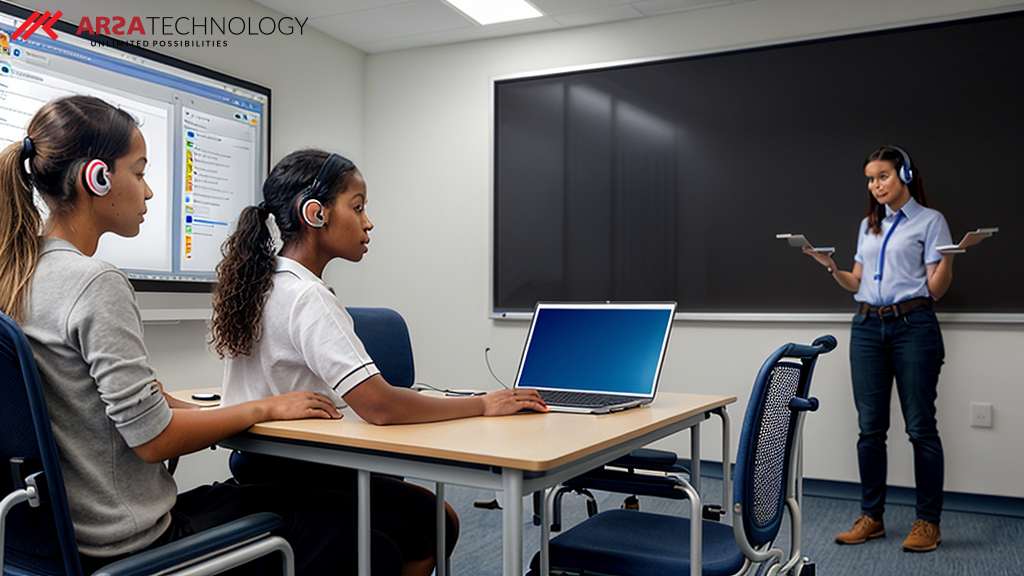
For students with visual impairments, dyslexia, ADHD, or other learning disabilities, text-based content can be a formidable obstacle. Text-to-Speech technology provides an auditory pathway to information, allowing these students to absorb complex material at their own pace and in a format that suits their learning style. By converting written lectures, textbooks, quizzes, and feedback into spoken words, TTS bridges critical gaps, fostering greater comprehension, retention, and ultimately, academic success. Investing in robust accessibility solutions like a high-performance TTS API enhances an institution’s reputation, expands its reach to a broader student demographic, and demonstrates a genuine commitment to educational equity.
Dynamic E-learning Content: The Future of Personalized Learning
The modern e-learning environment is characterized by its dynamism. Content is no longer static; it is constantly updated, personalized, and interactive. From adaptive learning modules that adjust to a student’s progress to real-time feedback systems and automatically generated quizzes, the volume and variety of educational content are immense. This dynamic nature necessitates an equally dynamic approach to accessibility. Manually recording audio for every piece of content, especially when it’s frequently updated or personalized, is simply not feasible at scale.
This is where a high-performance Text-to-Speech API becomes indispensable. It enables the on-the-fly generation of audio for virtually any text-based content. Imagine a scenario where a student can click a button and have an entire chapter of a textbook narrated in a clear, natural voice, or receive personalized feedback on an assignment spoken directly to them. This capability transforms static text into an interactive auditory experience, making learning more engaging and accessible. For high-volume applications, the API must be capable of processing vast amounts of text quickly and efficiently, delivering high-quality audio without introducing noticeable delays or compromising system performance. This scalability is paramount for institutions serving thousands or even millions of students globally.
Evaluating Performance: Key Metrics for Education APIs
When selecting a Text-to-Speech API for demanding educational applications, performance is not just a feature; it’s a foundational requirement. Several key metrics dictate an API’s suitability for high-volume, accessibility-focused e-learning:
- Latency: This refers to the time it takes for the API to convert text to speech and deliver the audio. In interactive learning environments, low latency is crucial. Students expect immediate audio feedback or narration; significant delays can disrupt the learning flow and lead to frustration. For real-time applications like live captioning or interactive tutors, near-instantaneous response is non-negotiable.
- Throughput: High-volume education platforms generate vast amounts of text daily, from new course materials to student-generated content requiring feedback. The API must demonstrate high throughput, meaning it can process a large number of requests per second efficiently. This ensures that content can be made accessible rapidly, without creating backlogs or slowing down content deployment cycles.
- Accuracy and Naturalness of Voice: While speed is important, the quality of the synthesized voice is paramount for comprehension and engagement. Robotic or unnatural voices can be distracting and diminish the learning experience. A high-quality TTS API delivers voices that are natural-sounding, with appropriate intonation, rhythm, and pronunciation, making the audio pleasant to listen to and easy to understand, especially for long-form content.
- Scalability: Educational platforms experience fluctuating demand, with peak usage during exam periods or new course launches. The TTS API must be inherently scalable, capable of handling sudden spikes in requests without degradation in performance or availability. This ensures consistent accessibility for all students, at all times.
- Reliability and Uptime: Any API integrated into a critical educational system must offer exceptional reliability and high uptime. Downtime directly impacts student access to learning materials, potentially disrupting their academic progress. A robust API infrastructure with redundancy and proactive monitoring is essential.
- Multilingual Support: Education is increasingly global. A truly inclusive TTS API must offer extensive multilingual support, enabling institutions to cater to diverse student populations and expand their reach into international markets. This includes not only different languages but also various accents and voice styles.
ARSA Technology’s Text-to-Speech API: A Solution for High-Volume Education
ARSA Technology’s Text-to-Speech API is purpose-built to address the rigorous demands of high-volume educational applications while prioritizing accessibility. Our API leverages advanced AI and machine learning models to deliver exceptionally natural-sounding voices across a wide array of languages and dialects. This commitment to voice quality ensures that audio content is not just audible, but genuinely engaging and easy to comprehend, reducing cognitive load for students with learning differences.
Designed for performance, our API boasts low latency and high throughput, making it ideal for dynamic content generation. Whether converting an entire digital textbook into an audiobook or providing instantaneous audio prompts for an interactive quiz, ARSA’s Text-to-Speech API performs reliably under pressure. This robust architecture ensures that educational institutions can scale their accessible content initiatives without worrying about performance bottlenecks. To understand the capabilities of our Text-to-Speech API, try the Text-to-Speech API on RapidAPI. This interactive demo allows developers and product managers to experience firsthand the quality and responsiveness of our voice synthesis.
Enhancing Accessibility and Engagement with ARSA’s TTS
The practical applications of ARSA’s Text-to-Speech API in education are vast and transformative:
- Converting Textbooks and Readings to Audio: Instantly transform static digital textbooks, research papers, and lecture notes into engaging audio formats, providing an alternative learning pathway for visually impaired students or those with reading difficulties.
- Interactive Quiz and Exam Support: Provide audio narration for questions and answer choices in quizzes, ensuring that students with dyslexia or other learning disabilities can fully comprehend the material without relying solely on visual text.
- Narrating E-learning Modules and Simulations: Enhance interactive modules and complex simulations with clear, consistent voiceovers, making the learning experience more immersive and accessible for all students.
- Personalized Audio Feedback: Deliver spoken feedback on assignments, offering a more personal and accessible form of communication that can be particularly beneficial for students who struggle with written comprehension.
- Multilingual Content Delivery: Instantly generate audio content in multiple languages, allowing institutions to support non-native speakers and expand their educational offerings globally, breaking down language barriers to learning.
By integrating ARSA’s Text-to-Speech API, education providers can move beyond basic accessibility features to create truly inclusive and dynamic learning environments that cater to the diverse needs of their student population, fostering greater engagement and improved academic outcomes.
Strategic Advantages for Education Providers
Implementing ARSA Technology’s Text-to-Speech API offers significant strategic advantages for educational institutions and e-learning platforms:
- Cost-Effectiveness and Efficiency: Automating voiceover generation eliminates the need for expensive, time-consuming manual recordings or external voice actors. This drastically reduces content production costs and accelerates time-to-market for new courses and updates.
- Enhanced Student Experience and Retention: Providing accessible, high-quality audio content improves the overall learning experience, leading to higher student satisfaction, better engagement, and ultimately, improved retention rates.
- Competitive Differentiation: Institutions that proactively embrace advanced accessibility solutions stand out in a competitive market, attracting a broader and more diverse student body. This commitment to inclusivity becomes a powerful brand differentiator.
- Global Reach and Market Expansion: With robust multilingual capabilities, educational providers can effortlessly localize their content, opening up new opportunities in international markets and serving a global student base more effectively.
- Future-Proofing Content: As digital learning evolves, the ability to dynamically adapt content to various formats, including audio, ensures that educational materials remain relevant and accessible for years to come.
Integrating ARSA’s TTS API into Your E-learning Platform
Integrating ARSA Technology’s Text-to-Speech API into existing e-learning platforms is designed to be a streamlined process. Our API is built with developer experience in mind, offering clear documentation and robust support to facilitate seamless implementation. Developers can quickly connect their applications to our powerful voice synthesis engine, transforming text into high-quality audio with minimal effort. The focus remains on providing a reliable, scalable service that integrates smoothly into your existing architecture, allowing your team to concentrate on creating impactful educational experiences rather than managing complex infrastructure. Explore our full suite of AI APIs to see how ARSA Technology can empower your entire digital strategy, from enhancing accessibility to streamlining content creation. For detailed integration guides or to discuss specific requirements for your high-volume education application, do not hesitate to contact our developer support team. Our experts are ready to assist you in leveraging the full potential of our Text-to-Speech API to build a more inclusive and effective learning environment.
Conclusion: Your Next Step Towards a Solution
The pursuit of truly inclusive education demands innovative solutions that can scale with the dynamic needs of modern e-learning. Content accessibility for disabled students is not merely a checkbox; it is a fundamental pillar of equitable learning. ARSA Technology’s Text-to-Speech API offers a powerful, high-performance solution, enabling educational institutions to create dynamic, natural-sounding audio content at scale. By prioritizing low latency, high throughput, and exceptional voice quality, our API empowers developers and product managers to build e-learning platforms that are not only compliant but genuinely transformative. Embrace the future of accessible education and unlock the full potential of every student.
Ready to Solve Your Challenges with AI?
Discover how ARSA Technology can help you overcome your toughest business challenges. Get in touch with our team for a personalized demo and a free API trial.