
Real Results: How an Affordable Face Recognition API with Built-in Face Database Transformed Telecommunications Operations
In the rapidly evolving telecommunications sector, the need for robust, secure, and efficient identity verification is paramount. From customer onboarding to preventing SIM card fraud, telcos face immense pressure to streamline operations while safeguarding against sophisticated threats. This case study explores how a major telecommunications provider achieved significant operational improvements and fraud reduction by integrating an affordable face recognition API with built-in face database. ARSA Technology’s cloud-based solution proved to be the strategic asset, delivering enterprise-grade accuracy and scalability without prohibitive costs.
The challenge for many CTOs in the telecommunications industry is finding a solution that offers both high performance and cost-effectiveness. Traditional manual verification processes are slow, error-prone, and expensive, while many advanced biometric solutions come with hefty price tags and complex integration requirements. This particular telecom sought a solution that could automate their e-KYC (electronic Know Your Customer) processes, enhance security, and scale with their rapidly growing customer base, all while maintaining strict budget controls.
The Telecommunications Challenge: Balancing Growth, Security, and Cost
The telecommunications industry is characterized by high transaction volumes, stringent regulatory compliance, and a constant battle against identity fraud. For our client, these challenges manifested in several key areas:
- Slow Customer Onboarding: Manual identity checks for new subscribers were time-consuming, leading to customer drop-offs and increased operational costs.
- Persistent Fraud Risks: The rise of sophisticated identity spoofing techniques posed a significant threat, resulting in financial losses and reputational damage from fraudulent SIM registrations and account takeovers.
- High Operational Expenses: The cost associated with human agents performing identity verification was substantial, impacting profitability and resource allocation.
- Scalability Concerns: Existing systems struggled to handle peak demand, leading to bottlenecks and inconsistent service quality.
Recognizing these pain points, the telecom’s CTO initiated a search for an advanced yet practical solution. Their criteria were clear: it needed to be highly accurate, easy to integrate, scalable, and, crucially, an affordable face recognition API with built-in face database.
Implementing ARSA Face Recognition & Liveness API: A Strategic Choice
After a thorough evaluation, the telecommunications provider selected the ARSA Face Recognition & Liveness API. This cloud-hosted solution offered a compelling combination of features that directly addressed their needs:
- Comprehensive Biometric Capabilities: The API provides both 1:1 face verification (comparing a live selfie to an ID document photo) and 1:N face identification (matching a face against a database of known identities).
- Advanced Liveness Detection: Crucial for fraud prevention, ARSA’s API includes both active liveness detection (challenge-response based) and passive liveness detection, effectively combating spoofing attempts using photos, videos, or masks.
- Integrated Face Database Management: The built-in face database simplified the management of customer biometric profiles, making it easy to enroll, update, and retrieve identities securely.
- REST API for Seamless Integration: Designed for developers, the REST API allowed for instant integration into their existing mobile apps and web platforms, minimizing development time and effort.
- Scalability and Reliability: Hosted in the cloud, the API could scale effortlessly to handle millions of transactions, supporting their enterprise-level demands, including up to 500K API calls/month on higher tiers.
- High Accuracy: With a proven 99.67% accuracy rate (LFW), the solution instilled confidence in its ability to correctly identify and verify users.
The telecom’s CTO was particularly impressed by the transparency of the face recognition API pricing comparison and the availability of a face ID API free tier for startups (which also served as an excellent testing ground for enterprise evaluation). This allowed their team to thoroughly test the API’s capabilities and performance before committing to a full-scale deployment, ensuring it met their rigorous standards for a scalable face recognition API for enterprises.
Real Results: Quantifiable Impact on Operations and Security
The implementation of ARSA’s Face Recognition & Liveness API yielded transformative results for the telecommunications provider:
1. 80% Reduction in Manual Verification Costs:
By automating the e-KYC process, the need for human intervention in initial identity checks was drastically reduced. This led to an estimated 80% reduction in costs associated with manual verification, freeing up resources for more complex customer service tasks.
2. Sub-Second Identity Verification:
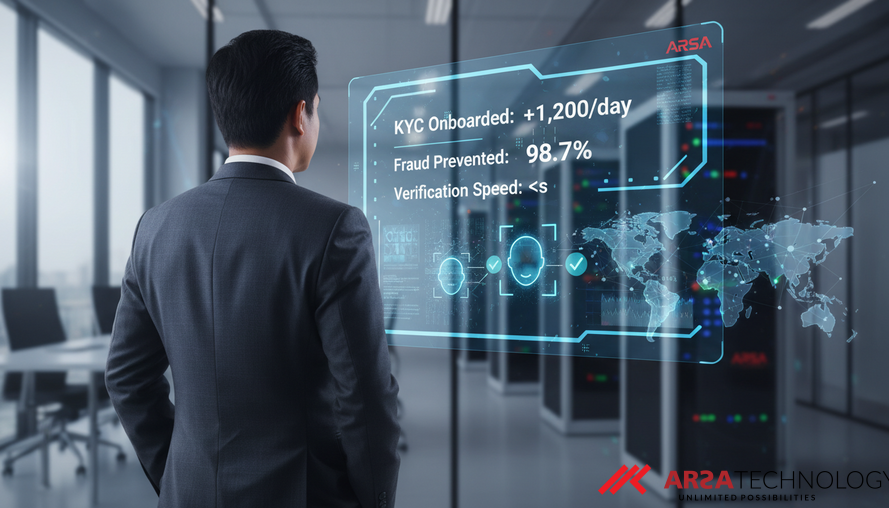
The API’s optimized performance ensured that 1:1 face verification and 1:N face identification processes were completed in sub-second response times. This dramatically improved the customer onboarding experience, reducing wait times and increasing conversion rates for new subscribers.
3. Significant Reduction in Identity Fraud:
The robust active and passive liveness detection capabilities virtually eliminated identity spoofing attempts. This directly translated to a substantial decrease in fraudulent SIM registrations and account takeovers, protecting both the company’s assets and its customers’ security. The anti-spoofing measures were particularly effective against sophisticated attacks.
4. Enhanced Regulatory Compliance:
The secure handling of biometric data, coupled with ARSA’s commitment to data privacy, helped the telecom meet stringent regulatory requirements for e-KYC and data protection, such as GDPR and Indonesia PDPA. The ability to manage a built-in face database within a secure cloud environment provided peace of mind.
5. Improved Customer Experience:
Faster, smoother, and more secure onboarding processes led to higher customer satisfaction. The seamless integration of face recognition into their digital channels positioned the telecom as an innovative and customer-centric provider.
6. Scalability for Future Growth:
As the telecom expanded its services and customer base, the ARSA API effortlessly scaled to accommodate increased demand. This future-proofed their identity verification infrastructure, ensuring consistent performance even during periods of rapid growth.
The Strategic Advantage of a Cloud-Based Face Recognition API
For CTOs, choosing a cloud-based solution like ARSA’s Face Recognition & Liveness API offers distinct advantages, especially when looking for an affordable face recognition API with built-in face database.
- Reduced Infrastructure Overhead: No need to invest in expensive on-premise hardware or manage complex server infrastructure. ARSA handles all the backend management.
- Faster Time-to-Market: Instant API integration via REST API allows businesses to deploy new features and services quickly, gaining a competitive edge.
- Continuous Updates and Improvements: Cloud services benefit from regular updates, ensuring access to the latest AI models and security enhancements without manual intervention.
- Cost Predictability: Clear pricing models, often available on platforms like the face recognition API on RapidAPI marketplace, allow for better budget forecasting and control.
While ARSA also offers an on-premise Face Recognition & Liveness SDK for highly regulated or air-gapped environments, the cloud API proved to be the ideal fit for this telecom’s specific needs, balancing performance, cost, and ease of deployment.
Looking Ahead: The Future of Identity in Telecommunications
The success of this implementation underscores the critical role of advanced AI in modern telecommunications. As digital transformation accelerates, the demand for secure, efficient, and user-friendly identity solutions will only grow. ARSA Technology continues to innovate, providing practical AI solutions that deliver measurable impact across various industries. From enhancing security to optimizing operations, ARSA’s expertise extends beyond face recognition to comprehensive AI video analytics and edge computing solutions, such as the ARSA DOOH Audience Meter (AI Box) for audience measurement.
For telecommunications providers and other enterprises seeking to modernize their identity management and security protocols, exploring an affordable face recognition API with built-in face database is no longer an option but a strategic imperative. The ARSA Face Recognition & Liveness API offers a proven path to achieving significant ROI and operational excellence.
Frequently Asked Questions
What makes ARSA’s face recognition API a scalable face recognition API for enterprises?
ARSA’s API is cloud-hosted and built on robust infrastructure designed to handle high volumes of requests, scaling to over 500,000 API calls per month. Its REST API architecture ensures easy integration and expansion, making it ideal for large-scale enterprise deployments.
How does ARSA’s API help with identity fraud prevention in telecommunications?
The API incorporates both active and passive liveness detection, which are critical anti-spoofing measures. These features verify that a live person is present during the verification process, effectively preventing fraud attempts using photos, videos, or masks, which are common in SIM card registration fraud.
Can I evaluate ARSA’s solution before a full commitment, especially regarding face recognition API pricing comparison?
Yes, ARSA’s Face Recognition & Liveness API is available on the RapidAPI marketplace, offering a free tier for developers and startups. This allows for thorough testing and evaluation of its capabilities and performance, providing transparency for a comprehensive face recognition API pricing comparison against other vendors.
What are the key benefits of using a built-in face database with the API?
A built-in face database simplifies identity management by allowing you to securely enroll, update, and retrieve biometric profiles directly through the API. This eliminates the need for separate database infrastructure, streamlines 1:N identification processes, and ensures all data remains within a secure, managed environment, enhancing overall data privacy and compliance.
Ready to transform your telecommunications operations with cutting-edge AI? Learn more about Face Recognition & Liveness overview or contact ARSA solutions team today to request a quotation and see how our all ARSA products can benefit your enterprise.
Stop Guessing, Start Optimizing.
Discover how ARSA Technology drives profit through intelligent systems.
