
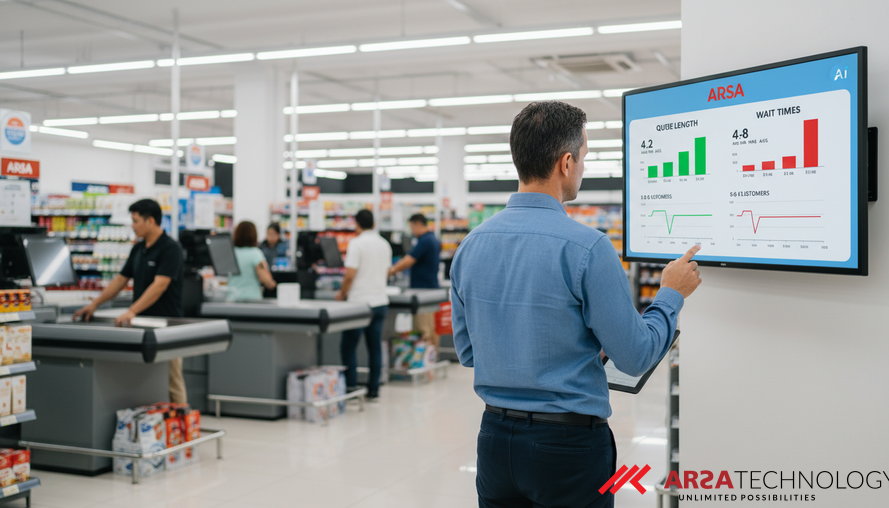
The Complete Buyer’s Guide to AI Video Analytics Software for Supermarkets: How to Reduce Queue Wait Times in Retail with AI
In the competitive landscape of modern retail, customer experience is paramount. For supermarket general managers, few things impact customer satisfaction and operational efficiency as directly as checkout lines. Long queues lead to frustrated shoppers, abandoned carts, and ultimately, lost revenue. The good news is that advanced technology now offers a powerful solution: AI video analytics. This comprehensive buyer’s guide will walk you through how to reduce queue wait times in retail with AI video analytics, transforming your supermarket operations and enhancing the customer journey.
Supermarkets are high-traffic environments where every second counts. Traditional methods of queue management often rely on manual observation, which is prone to human error and reactive rather than proactive. Imagine a system that not only identifies when queues are forming but also predicts future congestion and empowers your staff to act before problems escalate. This is the promise of AI video analytics, a technology that leverages existing CCTV infrastructure to deliver real-time, actionable insights. For enterprises seeking to optimize their retail spaces, understanding the capabilities and benefits of such a system is the first step towards a more efficient and profitable future.
The Hidden Costs of Long Checkout Lines in Supermarkets
The impact of excessive queue wait times extends far beyond a few impatient customers. For supermarkets, these hidden costs can significantly erode profitability and brand reputation:
- Customer Dissatisfaction and Churn: Shoppers value their time. Repeated experiences with long queues can lead to customers choosing competitors, impacting long-term loyalty and sales.
- Abandoned Carts and Lost Sales: When faced with a daunting line, customers are more likely to abandon their shopping carts, resulting in immediate lost revenue and wasted staff effort in restocking.
- Reduced Basket Size: Some customers, anticipating long waits, might opt for fewer items, directly impacting average transaction value.
- Staff Stress and Inefficiency: Store staff, constantly reacting to queue build-ups, can become overwhelmed, leading to decreased morale, higher turnover, and less efficient task allocation.
- Operational Blind Spots: Without precise data, managers struggle to accurately forecast staffing needs, optimize checkout lane configurations, or identify peak hours for targeted interventions. This lack of insight prevents proactive decision-making.
These challenges highlight the critical need for a sophisticated, data-driven approach to queue management.
How AI Video Analytics Software Can Reduce Queue Wait Times in Retail
AI video analytics software transforms passive CCTV footage into dynamic, actionable intelligence. For supermarkets, this means moving beyond simple surveillance to intelligent monitoring that directly addresses the problem of long queues. ARSA Technology’s Smart Retail Counter, for instance, is a prime example of how this technology can be deployed to reduce queue wait times in retail with AI video analytics.
This software works by continuously analyzing video streams from checkout areas. It precisely counts the number of people in each queue, tracks their waiting times, and identifies when predefined thresholds are exceeded. Instead of relying on a manager’s subjective assessment, the system provides objective, real-time data. This capability is foundational for an automated queue length monitoring system, offering unprecedented visibility into checkout operations. By understanding customer flow patterns and predicting congestion, supermarkets can transition from reactive problem-solving to proactive optimization.
Key Features of an Automated Queue Length Monitoring System
When evaluating AI video analytics solutions, a store general manager should look for specific features that deliver tangible operational and financial benefits. An effective automated queue length monitoring system should offer:
- Real-time Data and Alerts: The ability to instantly detect queue build-ups and send real-time queue alerts for store staff via dashboards, mobile notifications, or internal communication systems. This allows immediate action, such as opening new lanes or deploying additional staff. ARSA’s solutions provide a live dashboard demo where you can see these insights in action.
- Accurate People Counting: High-precision algorithms to count individuals in queues, distinguishing them from passersby, ensuring reliable data for decision-making.
- Dwell Time and Wait Time Tracking: Beyond just length, understanding how long customers spend in a queue provides crucial context for service level assessment.
- Predictive Analytics: Advanced AI models that can forecast future queue build-ups based on historical data, current foot traffic, and even external factors like weather or local events.
- Integration Capabilities: Seamless integration with existing Point-of-Sale (POS) systems, workforce management software, and other operational platforms via a robust REST API. This allows for a holistic view of store performance and automated adjustments to staffing.
- Privacy-First Design: Given the sensitive nature of video data, solutions should prioritize privacy. ARSA’s AI Video Analytics Software overview emphasizes on-premise deployment, ensuring full data ownership and control within your infrastructure, with no cloud dependency for core operations. This is crucial for compliance with data protection regulations.
- Customizable Thresholds and Reporting: The flexibility to set custom alert thresholds (e.g., alert when a queue exceeds 3 people or 5 minutes of wait time) and generate detailed historical reports for performance analysis.
Optimizing Operations with AI Checkout Line Management for Supermarkets
The true power of AI video analytics lies in its ability to drive comprehensive operational improvements. Effective AI checkout line management for supermarkets goes beyond simply reacting to long queues; it enables strategic optimization across the entire retail ecosystem.
One of the most significant advantages is the ability to use queue analytics to optimize staffing schedules. By analyzing historical data on customer traffic, queue patterns, and transaction volumes, managers can precisely align staff deployment with demand. This means fewer idle cashiers during slow periods and adequate staffing during peak times, leading to:
- Reduced Labor Costs: By optimizing staffing, supermarkets can minimize unnecessary overtime and improve overall labor efficiency.
- Increased Throughput: Faster moving lines mean more customers served per hour, directly translating to higher sales potential.
- Improved Customer Experience: Consistently short wait times foster customer loyalty and a positive brand image.
- Enhanced Operational Visibility: For multi-store chains, a centralized processing model allows for chain-wide retail intelligence. General managers can monitor and compare performance across all locations from a single, intuitive analytics dashboard, identifying best practices and areas for improvement. This centralized approach, characteristic of ARSA’s on-premise software, offers unparalleled control and insight.
Choosing the Right AI Solution: On-Premise vs. Cloud
A critical decision for any enterprise adopting AI video analytics is the deployment model. While cloud-based solutions offer convenience, ARSA Technology champions an on-premise approach, particularly for supermarkets and other privacy-sensitive environments.
- On-Premise Advantages: Deploying AI video analytics software on your existing servers or private data centers means full data ownership. All video streams, inference results, and metadata remain entirely within your infrastructure. This is vital for maintaining privacy, minimizing latency, and ensuring compliance with stringent data protection regulations (like GDPR or Indonesia PDPA). It also eliminates ongoing cloud costs and potential vendor lock-in. ARSA’s self-hosted software is designed for organizations that demand this level of control and security.
- Cloud Considerations: While easier to set up initially, cloud solutions often involve transferring sensitive video data to external servers, which can raise privacy concerns and incur recurring subscription fees. For mission-critical operations where data sovereignty is paramount, on-premise deployment offers a superior level of control and peace of mind.
Real-Time Queue Alerts for Store Staff: A Game Changer
The ability to provide real-time queue alerts for store staff is arguably the most impactful feature of AI video analytics in a supermarket setting. This isn’t just about data; it’s about empowering your team with immediate, actionable intelligence.
Imagine a scenario where, instead of a manager noticing a growing queue and scrambling to find an available cashier, the system automatically detects the impending congestion. An alert is instantly sent to a manager’s tablet or a dedicated staff display, prompting them to open a new lane or redirect staff to support the checkout area. This proactive capability drastically reduces the time it takes to respond to changing conditions, preventing queues from becoming unmanageable.
These alerts can be configured based on various parameters: queue length, estimated wait time, or even the number of abandoned carts detected near the checkout. This level of responsiveness ensures that customer flow remains smooth, even during unexpected rushes, significantly improving the overall shopping experience.
Beyond Queues: Additional Retail Intelligence from ARSA AI
While reduce queue wait times in retail with AI video analytics is a primary goal, ARSA’s Smart Retail Counter offers a suite of other valuable insights that contribute to chain-wide retail intelligence:
- People Counting and Footfall Analysis: Understand overall store traffic, peak hours, and conversion rates (visitors to buyers).
- Heatmap Analysis: Visualize customer movement patterns within the store, identifying popular areas and bottlenecks beyond the checkout. This helps optimize store layout and product placement.
- Dwell Time Tracking: Measure how long customers spend in specific aisles or product displays, indicating engagement and interest.
- Conversion Analytics: Correlate foot traffic with sales data to understand the effectiveness of promotions and store layouts.
- Digital Out-of-Home (DOOH) Audience Measurement: For supermarkets with digital signage, solutions like the ARSA DOOH Audience Meter can measure audience exposure, demographics, and engagement duration, providing valuable data for advertisers and marketing teams.
By leveraging these comprehensive insights, supermarket general managers can make data-backed decisions that optimize every aspect of store operations, from staffing and layout to marketing and inventory management.
Conclusion
For supermarkets striving for operational excellence and superior customer satisfaction, investing in AI video analytics software is no longer a luxury but a strategic imperative. The ability to accurately and proactively reduce queue wait times in retail with AI video analytics directly translates to increased sales, improved customer loyalty, and optimized labor efficiency.
ARSA Technology, with its proven track record and focus on robust, on-premise solutions like the Smart Retail Counter, offers the enterprise-grade intelligence needed to transform your retail operations. Our solutions are designed for full data ownership, seamless integration, and measurable ROI, ensuring your investment delivers tangible business outcomes. Explore all ARSA products to see how AI can empower your business.
Ready to take control of your supermarket’s checkout experience and unlock a new level of operational efficiency?
Frequently Asked Questions
What is an automated queue length monitoring system?
An automated queue length monitoring system uses AI video analytics to continuously analyze video feeds from checkout areas, accurately counting people in queues, tracking their wait times, and triggering alerts when predefined thresholds are met. This system provides real-time data to help manage customer flow efficiently.
How can AI checkout line management for supermarkets improve efficiency?
AI checkout line management improves efficiency by providing real-time insights into queue dynamics, enabling proactive staffing adjustments, optimizing lane allocation, and reducing customer wait times. This leads to increased throughput, lower labor costs, and a better overall customer experience.
What are the benefits of real-time queue alerts for store staff?
Real-time queue alerts empower store staff to respond immediately to developing congestion. Instead of reacting manually, staff receive automated notifications when queues exceed certain lengths or wait times, allowing them to open new lanes or reallocate resources proactively, preventing customer frustration and abandoned carts.
How does queue analytics help optimize staffing schedules?
Queue analytics provides historical and real-time data on customer traffic patterns and queue build-ups. By analyzing this data, managers can accurately forecast demand, optimize staffing levels for peak and off-peak hours, and create more efficient schedules that reduce labor costs while maintaining service quality.
Stop Guessing, Start Optimizing.
Discover how ARSA Technology drives profit through intelligent systems.