
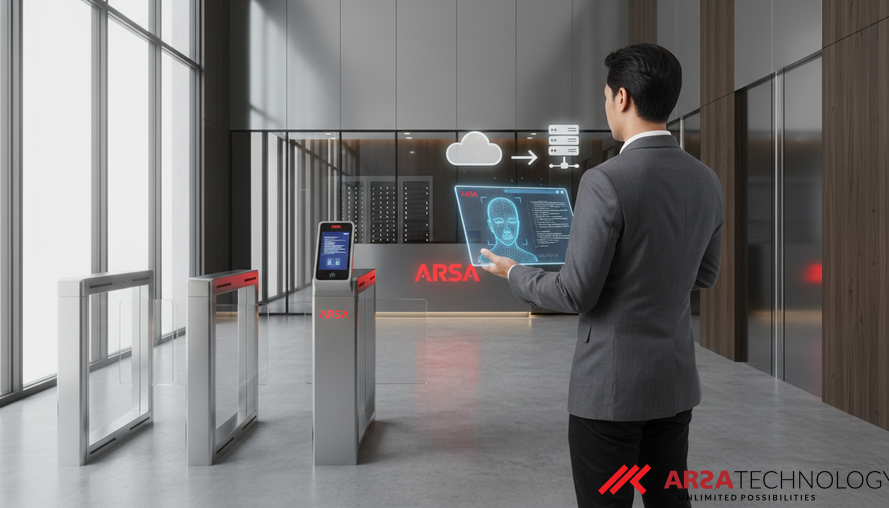

Cloud API vs. On-Premise SDK: Which 1:N Face Recognition API for Building Access Control Systems is Right for You?
In the rapidly evolving world of PropTech and smart building development, securing physical spaces while enhancing user experience is paramount. Integrating advanced biometric solutions, particularly a robust face recognition API for building access control systems, has become a critical consideration. Developers face a pivotal decision: opt for the agility and scalability of a cloud-based API or the control and data sovereignty offered by an on-premise SDK? This guide delves into the nuances of each approach, helping PropTech and smart building developers determine the best fit for their specific stack and operational requirements, especially when implementing 1:N face recognition against a database for seamless entry.
The choice between a cloud API and an on-premise SDK significantly impacts development timelines, ongoing costs, and data management. For many modern applications, particularly those prioritizing rapid deployment and minimal infrastructure overhead, a cloud-based solution like the ARSA Face Recognition & Liveness API presents a compelling advantage. It allows developers to launch sophisticated face login and access features in days, not months, without the burden of managing complex hardware.
The Power of a Cloud-Based Face Recognition API for Building Access Control Systems
A cloud-based face recognition API for building access control systems offers unparalleled ease of integration and scalability. For PropTech developers building next-generation smart building applications, this means focusing on core product innovation rather than infrastructure management. ARSA’s Face Recognition & Liveness API is a prime example, providing a comprehensive suite of biometric capabilities accessible via a simple REST API.
- Rapid Deployment and Minimal Overhead: With a cloud API, you can achieve your first API call in under 5 minutes. There’s no hardware to purchase, install, or maintain. This “no infrastructure to manage” benefit translates directly into faster time-to-market and reduced operational costs. Developers can create a free Face API account and begin testing immediately.
- Comprehensive Biometric Functions: The ARSA API offers a full spectrum of features essential for modern access control. This includes precise 1:N face recognition against a database, allowing users to be identified quickly from a large collection of enrolled faces. It also provides 1:1 face verification for confirming identity, robust face detection with bounding boxes, and critical liveness detection capabilities.
- Advanced Liveness Detection: Preventing spoofing attacks is crucial for secure access. The ARSA API incorporates both passive liveness detection (analyzing subtle cues to determine if a face is live) and active liveness with head movement challenges, ensuring that only real, live individuals gain access. This is vital for meeting stringent security and compliance obligations, such as those under ISO 30107-3, which addresses presentation attack detection.
- Flexible Face Database Management: The API includes robust face database management features, allowing developers to enroll, update, and remove identities efficiently. Crucially, it provides per-account isolated databases, ensuring data privacy and seamless tenant separation for multi-client PropTech applications. You can upload multiple images per face ID for higher accuracy, enhancing the reliability of your face ID API for door access.
- Scalability and Cost-Efficiency: Cloud APIs are inherently scalable, allowing you to pay only for what you use. ARSA offers flexible Face API pricing plans, from a Basic free 30-day trial (100 calls/month, 100 face IDs) to enterprise-grade Mega plans (500,000 calls/month, 500,000 face IDs) at $1,290/month. All features are included on every plan, providing consistent functionality as your needs grow. This model is ideal for managing costs and scaling resources dynamically.
- Developer-Friendly Ecosystem: ARSA provides a developer dashboard with usage analytics, comprehensive Face Recognition API documentation with cURL/Python/JavaScript code examples, and support for JPEG/PNG images and MP4/WebM video for active liveness. This streamlines integration, making it easier for developers to implement a sophisticated biometric access control REST API.
When On-Premise SDK is the Preferred Choice
While cloud APIs offer significant advantages in terms of speed and scalability, an on-premise SDK might be necessary for specific scenarios, particularly those with extreme data sovereignty requirements or air-gapped environments. For instance, highly regulated industries or government entities might prefer the full control over data, security, and operations that a self-hosted solution provides. This ensures no biometric data leaves their infrastructure, aligning with the strictest internal security and compliance reviews. However, this comes with the responsibility of managing all underlying hardware and software, a significant undertaking that can divert resources from core development. For a deeper dive into self-hosted vs. cloud biometric deployment for critical infrastructure, you can read this article.
Business Outcomes: Driving Value with Face Recognition in PropTech
Implementing a robust face recognition API for building access control systems delivers tangible business outcomes for PropTech applications:
- Enhanced Security: Prevent unauthorized access and bolster physical security with advanced biometric verification. The API’s active and passive liveness detection capabilities are crucial for preventing presentation attacks and synthetic identity fraud, which are growing concerns in digital and physical access.
- Streamlined Visitor Management: Simplify visitor management with a seamless visitor management face verification API. Pre-registration and rapid biometric checks significantly reduce wait times and improve the overall visitor experience.
- Improved User Experience: Offer tenants and authorized personnel a frictionless entry experience. The speed and accuracy of 1:N face recognition against a database eliminate the need for cards or keys, providing a modern, convenient solution.
- Compliance Readiness: For applications that involve identity verification, such as those in the crypto-exchange sector, the API’s capabilities can help meet stringent KYC (Know Your Customer) and AML (Anti-Money Laundering) obligations under regulations like PSD2, eIDAS, and FinCEN.
- Operational Efficiency: Automate access processes, reduce the need for manual oversight, and gain valuable insights into building occupancy and flow. This contributes to overall operational efficiency and can lead to significant cost savings.
For PropTech developers looking to rapidly integrate advanced biometric capabilities into their smart building solutions, a cloud-based face recognition for proptech app offers the ideal balance of power, flexibility, and ease of use. It allows for quick iteration and deployment, ensuring your applications remain at the forefront of innovation. To understand more about comparing face recognition API and SDK options for workforce management, check out this comparison. Another useful resource for SaaS platforms is a quick guide to API vs. SDK for SaaS platforms.
Conclusion
The decision between a cloud API and an on-premise SDK for face recognition API for building access control systems ultimately hinges on your project’s specific needs for speed, scalability, cost management, and data control. For most PropTech and smart building developers, the ARSA Face Recognition & Liveness API provides a robust, developer-friendly, and cost-effective solution that accelerates deployment and minimizes infrastructure headaches. Its comprehensive features, from 1:N identification to advanced liveness detection, ensure secure and efficient access control.
Ready to transform your building access with cutting-edge AI? Explore the Face Recognition & Liveness overview and contact ARSA solutions team today to discuss how our API can integrate seamlessly into your PropTech stack. For a broader view of our offerings, you can also browse all ARSA products.
FAQ
What is the primary benefit of using a cloud-based face recognition API for building access control systems?
The primary benefit is rapid deployment and minimal infrastructure management. Developers can integrate advanced biometric capabilities like a biometric access control REST API quickly, without needing to acquire or maintain dedicated hardware, significantly reducing time-to-market and operational costs.
How does ARSA’s Face Recognition API ensure security against spoofing attacks?
ARSA’s API employs both passive liveness detection and active liveness detection, which involves challenge-response mechanisms like head movements. These features are designed to prevent fraudulent access attempts using photos, videos, or 3D masks, ensuring a secure face ID API for door access.
Can the ARSA Face Recognition API handle a large number of users for 1:N face recognition against a database?
Yes, the ARSA Face Recognition API is designed for scalability. Its pricing tiers, such as the Mega Enterprise plan, support up to 500,000 API calls per month and manage databases with up to 500,000 Face IDs, making it suitable for large-scale visitor management face verification API deployments.
Is the ARSA Face Recognition API suitable for a PropTech app requiring strict data privacy?
Yes, the ARSA Face Recognition API supports data privacy by offering per-account isolated databases. This ensures that each client or tenant’s face data is kept separate and secure, aligning with data privacy best practices for any face recognition for proptech app.
Stop Guessing, Start Optimizing.
Discover how ARSA Technology drives profit through intelligent systems.