
In the dynamic world of manufacturing, safety is paramount. Traditional CCTV systems have long served as a deterrent and a forensic tool, recording incidents after they occur. However, the modern industrial landscape demands proactive solutions. The critical question for many facility managers today is: how to turn existing CCTV into smart safety monitoring systems that actively prevent accidents and ensure compliance? The answer lies in leveraging advanced AI video analytics, transforming passive surveillance into an intelligent, real-time safety guardian.
ARSA Technology offers a practical and powerful solution with its AI Box Series, specifically the ARSA Basic Safety Guard (AI Box). This innovative edge computing device allows manufacturers to upgrade CCTV with AI safety detection without replacing their entire camera infrastructure. It’s a cost-effective and efficient way to enhance workplace safety, streamline operations, and meet stringent regulatory requirements.
The Evolution of CCTV: From Recording to Real-Time Intelligence
For years, CCTV cameras have been indispensable for security. Yet, their primary function was often limited to recording events for later review. This reactive approach, while useful, falls short in environments where immediate intervention can prevent injuries, costly downtime, or regulatory penalties. Imagine a scenario where a worker enters a hazardous zone without a hard hat or safety vest. A traditional CCTV system would record this, but only human review would flag it—often too late.
This is where AI-powered solutions like ARSA’s Basic Safety Guard revolutionize operations. By integrating AI at the edge, these systems can analyze video streams in real-time, identifying potential hazards and non-compliance as they happen. This shift from passive recording to active intelligence is crucial for modern manufacturing facilities aiming for zero-incident workplaces.
Key Capabilities to Add AI Analytics to Existing Security Cameras
To effectively add AI analytics to existing security cameras, a solution must offer robust detection capabilities and seamless integration. The ARSA Basic Safety Guard is engineered precisely for this purpose, providing a suite of features designed to enhance industrial safety:
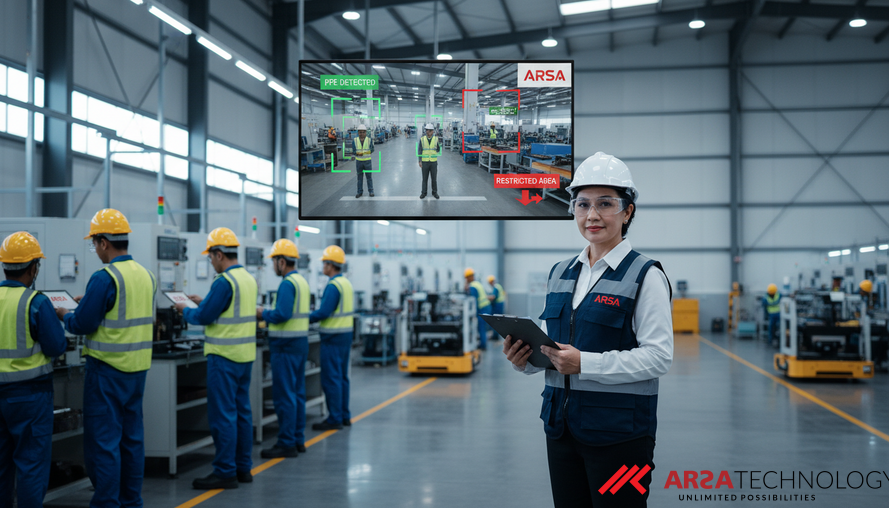
- PPE Detection: Automatically identifies if workers are wearing required Personal Protective Equipment, such as hard hat detection and safety vest detection. This ensures adherence to safety protocols in high-risk areas.
- Restricted Area Monitoring: Defines virtual boundaries and triggers intrusion alerts if personnel or vehicles enter unauthorized zones. This is critical for protecting sensitive equipment or hazardous material storage areas.
- Real-time Alerts: Instant notifications are sent to safety officers or designated personnel via various channels (email, SMS, dashboard alerts) when a safety violation or incident occurs, enabling rapid response.
- Safety Compliance Reporting: Generates detailed reports on safety incidents, PPE compliance rates, and restricted area breaches. This data is invaluable for auditing, continuous improvement, and demonstrating adherence to standards like ISO 45001.
These capabilities are not just about detection; they are about creating a safer, more accountable work environment. By providing objective, data-driven insights, facility managers can move beyond anecdotal evidence to implement targeted safety interventions.
The Power of Edge Computing: Retrofit CCTV with PPE Detection
One of the most significant advantages of ARSA’s approach to retrofit CCTV with PPE detection is its reliance on edge computing. Unlike cloud-based solutions that require constant internet connectivity and incur ongoing data transfer costs, the ARSA AI Box processes video streams locally, directly at the source. This ensures:
- Low Latency: Real-time analysis means alerts are generated almost instantaneously, crucial for preventing accidents.
- Data Privacy: Video data and inference results remain within your network, addressing concerns about data sovereignty and privacy compliance (e.g., GDPR, Indonesia PDPA).
- No Cloud Dependency: Operations continue uninterrupted even if internet connectivity is lost, vital for critical infrastructure.
- Cost Efficiency: Eliminates recurring cloud storage and processing fees, offering a predictable operational expenditure.
The ARSA AI Box is designed for plug-and-play installation, integrating seamlessly with existing ONVIF and RTSP compatible IP cameras. This means you don’t need to rip and replace your current camera infrastructure. Whether you have a few cameras or a sprawling network, the AI Box Series overview offers flexible hardware configurations: a Mini PC model capable of processing up to 3 cameras, ideal for distributed deployments, and a powerful Server model that can handle up to 30 cameras for centralized monitoring.
For further insights into how AI transforms surveillance, you might find our article on How to Turn Existing CCTV into Smart Safety Monitoring with AI Edge Computing particularly informative.
Business Outcomes: Tangible ROI for Manufacturing Facilities
The decision to convert IP cameras to an AI safety system is not just about technology; it’s about achieving measurable business outcomes. For manufacturing facilities, the benefits are clear and directly impact the bottom line:
- Reduce Workplace Injury Rates: Proactive detection of safety violations leads to fewer accidents, protecting your most valuable asset—your workforce.
- Automate OSHA / EU-OSHA / ISO 45001 Reporting: The system automatically logs incidents and compliance data, significantly reducing the manual effort and potential errors associated with regulatory reporting. This helps maintain compliance with international safety standards like ISO 45001.
- Lower Workers’ Comp Insurance Premiums: A demonstrably safer workplace with fewer incidents can lead to reduced insurance costs, offering significant long-term savings.
- Eliminate Manual Safety Inspections: While human oversight remains important, AI automates routine monitoring, freeing up safety personnel to focus on higher-value tasks and strategic safety initiatives.
By investing in smart safety monitoring, companies can foster a culture of safety that translates into increased productivity, reduced operational risks, and enhanced reputation. Our article, What Is PPE Detection? How AI Video Analytics Software Delivers Smart Safety Monitoring, delves deeper into the specifics of AI’s impact on safety.
Beyond Safety: Versatility of ARSA AI Video Analytics
While the Basic Safety Guard is focused on industrial safety, ARSA’s AI video analytics capabilities extend across various operational needs. For instance, the ARSA Traffic Monitor (Software) offers solutions for vehicle counting, classification, and congestion analysis, demonstrating the versatility of ARSA’s AI platforms. This highlights that the underlying technology can be adapted for a wide range of applications, providing comprehensive intelligence from your existing video infrastructure.
To understand the broader implications of automating compliance with AI, consider reading How to Automate PPE Compliance Monitoring with AI: A Guide for EHS Managers.
Frequently Asked Questions
How can I upgrade CCTV with AI safety detection without replacing cameras?
You can upgrade existing CCTV cameras by integrating an edge AI device like the ARSA Basic Safety Guard (AI Box). This device connects to your current ONVIF and RTSP compatible IP cameras and processes video streams locally to perform AI analytics, such as PPE detection and restricted area monitoring, without requiring new cameras.
What are the main benefits of adding AI analytics to existing security cameras in manufacturing?
Adding AI analytics provides real-time safety monitoring, automates PPE detection, enables immediate alerts for intrusions, and generates compliance reports. This leads to reduced workplace injury rates, lower workers’ compensation premiums, and helps meet regulatory standards like ISO 45001, all while eliminating the need for constant manual surveillance.
Does ARSA’s AI safety monitoring system require cloud connectivity?
No, ARSA’s AI Box Series, including the Basic Safety Guard, operates on an edge computing model. All AI processing runs locally on the device, meaning video streams are analyzed on-site without cloud dependency. This ensures data privacy, low latency, and continuous operation even in offline environments.
What kind of safety compliance reporting does the system offer?
The ARSA Basic Safety Guard provides automated safety compliance reporting, detailing incidents, PPE adherence, and restricted area breaches. These reports are invaluable for internal audits, demonstrating regulatory compliance (e.g., ISO 45001), and supporting continuous improvement initiatives in workplace safety.
Conclusion
The ability to how to turn existing CCTV into smart safety monitoring is no longer a futuristic concept but a tangible, accessible reality for manufacturing facilities. By embracing AI-powered edge solutions like the ARSA Basic Safety Guard, organizations can transform their legacy surveillance systems into proactive safety intelligence platforms. This not only safeguards personnel and assets but also drives significant operational efficiencies and financial benefits through reduced incidents, automated compliance, and lower insurance costs.
Don’t let your existing CCTV infrastructure remain a passive observer. Unlock its full potential to create a safer, smarter, and more compliant manufacturing environment. Explore all ARSA products and connect with our experts to discuss a tailored solution for your facility. Contact ARSA solutions team today to begin your transformation.
Stop Guessing, Start Optimizing.
Discover how ARSA Technology drives profit through intelligent systems.