
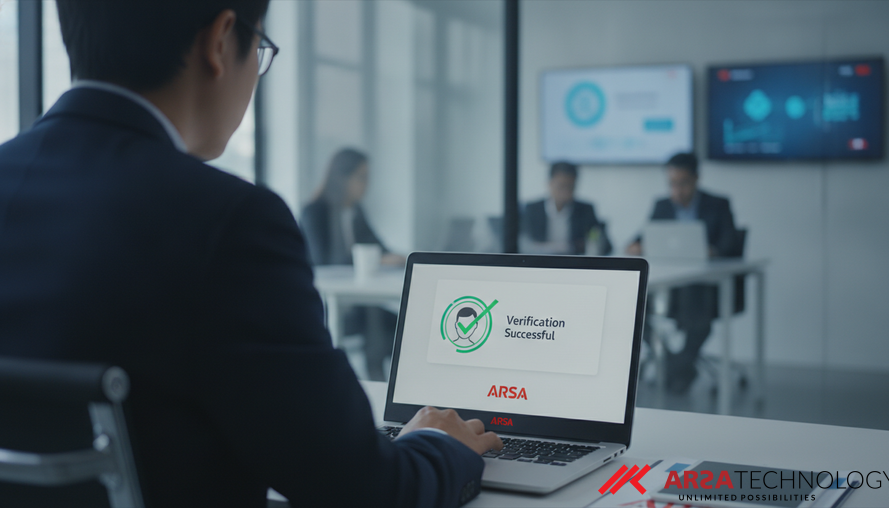

Elevating Telehealth Security: Choosing a Face Recognition API for Telemedicine Patient Verification
The landscape of digital healthcare is rapidly evolving, with telemedicine becoming a cornerstone of patient care. As virtual consultations and digital health apps proliferate, the need for robust patient identity verification becomes paramount. Healthtech developers are increasingly seeking a reliable face recognition API for telemedicine patient verification to secure their platforms, prevent fraud, and ensure regulatory compliance. This guide explores the critical considerations for choosing the right face recognition solution in the dynamic insurtech and healthcare sectors.
In 2026, regulatory bodies like the DEA are signaling stricter patient verification requirements, particularly for controlled substances, emphasizing verification at multiple points: initial onboarding, prescription requests, and refills. This necessitates advanced, audit-ready systems that can accurately confirm a patient’s identity at every interaction.
The Imperative for Secure Patient Identity Verification Face API
Telemedicine platforms handle sensitive Protected Health Information (PHI), making them prime targets for fraud and identity theft. Traditional verification methods, such as relying solely on usernames and passwords or knowledge-based authentication, are no longer sufficient to meet the demands of modern security threats or evolving regulations like HIPAA. A sophisticated patient identity verification face API offers a robust layer of security, ensuring that only legitimate patients access their health records and receive care.
The Health Insurance Portability and Accountability Act (HIPAA) Privacy Rule applies universally to healthcare, whether in-person or remote. While it doesn’t specify telemedicine-exclusive guidelines, the HIPAA Security Rule mandates safeguards for electronic PHI, extending to software vendors who have “persistent access” to this data, even if encrypted. This makes the choice of a face recognition provider a critical compliance decision.
Key Capabilities for Face Recognition for Telehealth Login
When evaluating a face recognition API for telemedicine patient verification, healthtech developers should prioritize a solution that offers comprehensive capabilities beyond simple facial matching. ARSA Technology’s ARSA Face Recognition & Liveness API is engineered to address these complex needs, providing a complete identity layer for digital health platforms.
Core functions include:
- 1:N Face Recognition against Database: Efficiently identifies a patient against an existing database of enrolled users, crucial for seamless face recognition for telehealth login.
- 1:1 Face Verification: Confirms if a live user matches a previously enrolled identity, vital for step-up authentication during sensitive transactions.
- Face Detection with Bounding Boxes: Accurately locates faces within an image or video stream, a foundational step for all subsequent analytics.
- Passive and Active Liveness Detection: Crucial for anti-spoofing. Passive liveness detects signs of presentation attacks without user interaction, while active liveness employs challenge-response mechanisms (e.g., head movements) to confirm a live human presence. It’s important to note that presentation-attack detection (PAD), covered by standards like ISO/IEC 30107-3, is distinct from detecting injection attacks or deepfakes, which bypass the camera entirely. Liveness is necessary but not sufficient on its own against all advanced threats in 2026.
- Age Estimation, Gender Classification, and Expression Detection: Provides additional demographic and emotional insights (neutral, happy, sad, surprise, anger) that can enhance user experience or inform clinical context.
- Face Database Management: Enables secure enrollment, updating, and removal of identities, with isolated per-account face databases ensuring data privacy and tenant separation.
Ensuring HIPAA-Aware Face Verification Workflow
For any healthcare application, maintaining a HIPAA-aware face verification workflow is non-negotiable. This means selecting a cloud SaaS provider that understands and supports the stringent requirements for protecting PHI. ARSA’s API is designed with these considerations in mind, offering features that help developers meet their compliance obligations under frameworks like HIPAA, GDPR, PSD2, eIDAS, FinCEN, and RBI V-CIP.
A compliant system must automatically capture critical data for audit readiness, including the verification method, timestamp, encounter ID, verification outcome, patient’s physical location (if available), and modality confirmation. This level of detail is essential for demonstrating due diligence to auditors, as highlighted by evolving DEA requirements for telehealth. Furthermore, if a patient is unable or unwilling to verify their identity, the consultation should generally be postponed unless there is a compelling, documented reason to proceed, as per HIPAA guidelines.
The ARSA Advantage: Cloud-Native Face ID for Healthcare App Development
ARSA Technology provides a production-ready, cloud-based Face Recognition & Liveness API that simplifies the integration of advanced biometrics into any face ID for healthcare app. Healthtech developers can launch face login features in days, not months, thanks to its developer-friendly design.
Technical Highlights:
- Rapid Integration: Achieve your first API call in under 5 minutes, with comprehensive Face Recognition API documentation including cURL, Python, and JavaScript code examples.
- Secure Authentication: Utilizes simple x-key-secret API key authentication.
- Flexible Pricing: A range of pricing plans, including a Basic free 30-day trial (100 calls/month, 100 face IDs, no credit card), Pro ($29/mo), Ultra ($149/mo), and Mega ($1,290/mo) tiers, all with full feature access. Pay only for what you use.
- Scalable Infrastructure: Built on a self-hosted platform at faceapi.arsa.technology, targeting 99.9% uptime.
- Data Privacy: Isolated per-account face databases ensure tenant separation and data privacy, crucial for multi-tenant healthcare applications.
- Media Support: Supports JPEG/PNG images and MP4/WebM video for active liveness.
- Enhanced Accuracy: Allows multiple images per face ID for higher recognition accuracy.
- Developer Dashboard: Provides usage analytics for transparent monitoring.
Business Outcomes and ROI for Insurtech
Integrating a robust face recognition API for telemedicine patient verification delivers tangible business outcomes for insurtech companies:
- Fraud Prevention: Effectively prevents presentation attacks (e.g., photos, videos, masks) and helps mitigate risks from injection attacks and synthetic identity fraud, aligning with KYC and AML obligations under regulations like PSD2, eIDAS, FinCEN, and RBI V-CIP.
- Streamlined Onboarding & Access: Accelerates patient onboarding and simplifies login processes, improving user experience and reducing abandonment rates.
- Cost Efficiency: Eliminates the need for managing complex on-premise infrastructure, allowing developers to focus on core product innovation. The pay-as-you-go model ensures cost-effectiveness.
- Compliance Readiness: Provides the tools and audit trails necessary to support compliance with stringent healthcare and financial regulations.
- Enhanced Patient Safety: By ensuring accurate identity verification, the risk of misidentification and associated patient safety incidents is significantly reduced.
ARSA Technology’s API helps you meet the rigorous demands of remote identity proofing, aligning with federal benchmarks like NIST IAL2 where applicable. For organizations requiring full data ownership and air-gapped deployments, ARSA also offers an on-premise Face Recognition & Liveness SDK.
Comparing Deployment Models: Cloud API vs. On-Premise SDK
While this article focuses on the cloud-based ARSA Face Recognition & Liveness API, it’s important for healthtech developers to understand the choice between cloud and on-premise solutions. The API is ideal for rapid prototyping, SaaS products, and scenarios where managed infrastructure is preferred. However, for highly regulated environments with strict data sovereignty requirements or air-gapped networks, an on-premise SDK might be more suitable. ARSA offers both, ensuring flexibility for diverse operational realities. You can learn more about choosing the right solution in our blog post, Optimizing Telemedicine: Choosing a Face Recognition API for Telemedicine Patient Verification.
Frequently Asked Questions
What are the key regulatory challenges for patient identity verification in telemedicine?
The key regulatory challenges include complying with HIPAA Privacy and Security Rules, meeting evolving DEA requirements for controlled substance prescriptions, and adhering to international standards like GDPR for data protection. Systems must provide robust identity proofing and maintain detailed audit trails for every verification event.
How does liveness detection enhance security for a face ID for healthcare app?
Liveness detection is crucial for preventing spoofing attacks where fraudsters attempt to impersonate a legitimate patient using photos, videos, or even 3D masks. By confirming that a real, live person is present during the verification process, it significantly strengthens the security of a face ID for healthcare app and helps prevent identity fraud.
Can ARSA’s Face Recognition API integrate with existing telehealth platforms?
Yes, ARSA’s Face Recognition & Liveness API is designed for seamless integration with existing telehealth platforms and healthcare applications. It offers a REST API with comprehensive documentation and code examples (cURL, Python, JavaScript), allowing healthtech developers to quickly embed face recognition and liveness detection capabilities into their systems.
What kind of data does a compliant face recognition system need to log for audits?
For audit readiness, a compliant face recognition system should automatically capture the method of identity verification, the exact timestamp, a unique encounter ID, the outcome of the verification (success/failure), the patient’s physical location at the time of the encounter, and confirmation of the modality used (e.g., video call, selfie capture). This detailed logging supports regulatory scrutiny and helps demonstrate compliance.
Conclusion
The demand for secure and efficient face recognition API for telemedicine patient verification will only continue to grow as digital healthcare expands. For healthtech developers and insurtech innovators, selecting a solution that balances advanced biometric capabilities with stringent compliance requirements is critical. ARSA Technology’s Face Recognition & Liveness API provides a powerful, cloud-based platform that enables rapid deployment, robust anti-spoofing, and a HIPAA-aware face verification workflow, helping you build secure, user-friendly, and compliant digital health applications.
Ready to enhance your telemedicine platform’s security and streamline patient verification? Create a free Face API account today and explore the capabilities that ARSA Technology brings to the forefront of digital health. For more in-depth discussions or custom solutions, don’t hesitate to contact ARSA solutions team.
Stop Guessing, Start Optimizing.
Discover how ARSA Technology drives profit through intelligent systems.