
ARSA Rules: Plain-Language Video Rules On An Edge AI Box
Write a rule for a camera in plain language. A fast detector filters the stream, an on-premise vision-language model checks the rule on the moments that matter, and every alert arrives with an evidence clip. Everything runs on the AI Box at your site.
AI Box Server 12 and Server 25 · Checked on site · An evidence clip with every alert
What A Rule Can Check
Zone Presence And Dwell
Step Sequence
Person-Object Interaction
Free-Text Rules, Validated Per Customer
An Evidence Clip With Every Alert
Validated On Your Clips Before Go-Live
How A Rule Is Checked
A Fast Detector Filters The Stream
A lightweight detector runs on every frame and flags the moments that could matter: a person entering a zone, a step starting, a hand reaching an object.
A Vision-Language Model Checks The Rule
Only the flagged moments go to the vision-language model on the AI Box, which reads your rule and decides whether it was broken.
An Alert With An Evidence Clip
Every alert carries a short clip of the moment, so a supervisor sees what happened before acting on it.
- Zone presence and dwell
- Alert when a person stays inside the loading bay for more than five minutes.
- Step sequence
- Alert when a technician opens the panel before putting on insulated gloves.
- Person-object interaction
- Alert when anyone lifts a carton from the quarantine pallet.
- Free-text rule
- Alert when a pallet is left in front of the fire exit door.
Examples only. Each rule is written with you and validated on clips from your own camera before it goes live.
Everything Runs On The AI Box On Site
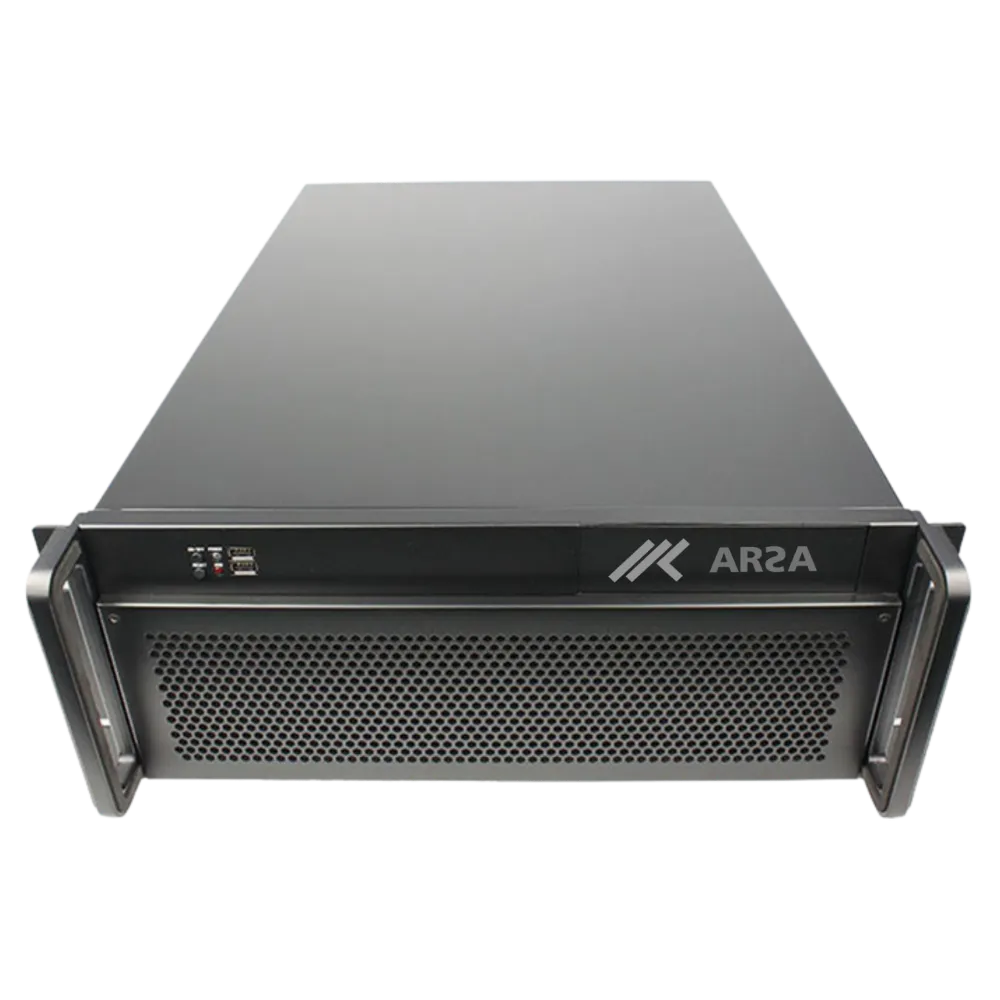
The detector, the vision-language model, your rules and the evidence clips all sit on one AI Box Server at your site, connected to the IP cameras you already have. Prefer to run Rules on your own GPU servers? The software version runs the same rules on hardware you own. For the other modules and unit sizes, see the AI Box Series.
Runs On The AI Box Server At Your Site
Works With Your Existing IP Cameras
Video And Clips Stay On Your Network
HOW IT WORKS
How A Rule Goes Live
- Your rule in plain words
- Validated on your clips
- Live on the AI Box Server
Write The Rule
Describe what should raise an alert on one camera, in the words your supervisors already use. Our engineers help you pick the rule type and agree with you what counts as a breach.
Validate On Your Clips
Before go-live, the rule is tested on clips from your own camera, covering moments that should alert and moments that should not. The wording is refined until the results match what your team expects.
Go Live With Evidence
The rule runs on the AI Box. Each alert reaches your team with its evidence clip, so a person reviews the moment and decides what to do next.
AI Box Hardware For Rules
Rules runs on the AI Box Server 12 and the AI Box Server 25, both available now. It does not run on the AI Box Mini. A Server set up for Rules runs Rules only, so a site that also needs another AI Box module uses a separate unit for it.
AI Box Server 12
Rules on 1 camera feed
One camera and its rules, checked on site. It suits a single line, gate or bay where one view tells the whole story.
AI Box Server 25
Rules on up to 2 camera feeds
For a process seen from two angles, or two areas with their own rules, checked on the same box.
LIST PRICES
Rules Pricing
Rules on the AI Box Server 12 and Server 25
Rules on the Server 12 and Server 25 is priced on the pricing page, next to every other AI Box unit and module.
| AI Box Server 12 with Rules | 1 camera feed | $14,500 |
| AI Box Server 25 with Rules | up to 2 camera feeds | $29,340 |
MINIMUM
Camera Placement For Rules
A rule can only check what its camera sees clearly. Each camera is checked against our placement standard during validation, before the rule goes live.
| Camera stream | IP camera over RTSP or ONVIF Profile S. 2 MP at 15 fps minimum, 4 MP at 25 fps recommended. |
| Field of view | The whole zone, step or object the rule refers to, in view and not hidden by the people doing the work. |
| Pixel density and angle | Set by the smallest thing the rule has to see. The figure for each detection is in the camera requirements. |
| Lighting | Each detection has its own minimum light at the target, also listed in the camera requirements. |
FAQ
Questions About ARSA Rules
What kinds of rule can I write?
Four kinds of rule. Zone presence and dwell checks who is in an area and for how long. Step sequence checks that steps happen in the right order, such as gloves on before a panel is opened. Person-object interaction checks what a person does with a specific object. Free-text rules cover a condition you describe in your own words, and each one is validated with you on your own footage before it goes live.
How is a free-text rule validated?
We run the rule on clips from the camera that will use it, including moments that should raise an alert and moments that should not. You review the results with our engineers and the wording is refined until the alerts match what your team expects. Free-text rules are validated per customer, and we make no accuracy promise for them: you see how each rule behaves on your clips and decide whether it goes live.
How fast does an alert arrive?
The fast detector runs continuously on every stream, and the vision-language model checks only the moments the detector flags. An alert therefore follows the event itself, without waiting for anyone to review footage. Rules raises alerts for people to act on; it does not stop machines.
What happens to the video?
Video is processed on the AI Box at your site. The detector, the vision-language model, the rules and the evidence clips all stay on your own network. Clips you share with us during validation are used to build and test your rules.
Which AI Box models run Rules?
The AI Box Server 12 runs Rules on 1 camera feed and the AI Box Server 25 on up to 2 camera feeds. Both are available now. Rules does not run on the AI Box Mini. If you already have GPU servers, run Rules on your own GPU servers with the software version.
Can Rules run alongside Basic Safety Guard?
Each AI Box Server runs one of the two. A Server set up for Rules runs Rules only, so a site that needs PPE detection as well uses a separate AI Box for Basic Safety Guard. We plan the units for your full mix of cameras and modules during the assessment.
How much does Rules cost?
Rules on the Server 12 and Server 25 is priced on the pricing page. The AI Box Server 12 with Rules is $14,500. The AI Box Server 25 with Rules is $29,340.
How do I start?
Become a design partner, or send us clips from the camera you have in mind through the free AI assessment. An engineer reads your rule and checks the camera against our camera requirements.
Become A Rules Design Partner
We are opening ARSA Rules on the AI Box to a small group of design partners. A design partner gets rules built and validated on their own clips, early access to new rule types, and a direct line to the engineers who build them.
Tell us the camera and the rule you have in mind, or start with a single test through the free AI assessment. You can also run Rules on your own GPU servers, and the full hardware range is on the AI Box Series page.