

Unlocking Retail Potential: Understanding Customer Heatmap Analytics for Store Layout Optimization
In today’s competitive retail landscape, understanding customer behavior is no longer a luxury—it’s a necessity. For convenience store managers and mall property owners alike, the ability to decipher how shoppers navigate a space can be the difference between stagnant sales and thriving revenue. This is where customer heatmap analytics for store layout optimization steps in, offering a powerful lens into the unseen dynamics of your retail environment. By transforming raw foot traffic data into vivid visual insights, businesses can make informed decisions that enhance the shopper experience, improve operational efficiency, and ultimately, boost profitability.
Imagine knowing precisely which aisles attract the most attention, where customers linger, and which areas are consistently overlooked. Heatmap analytics provides this exact intelligence, moving beyond anecdotal observations to deliver data-driven strategies for optimizing every square meter of your retail space.
What are Customer Heatmap Analytics?
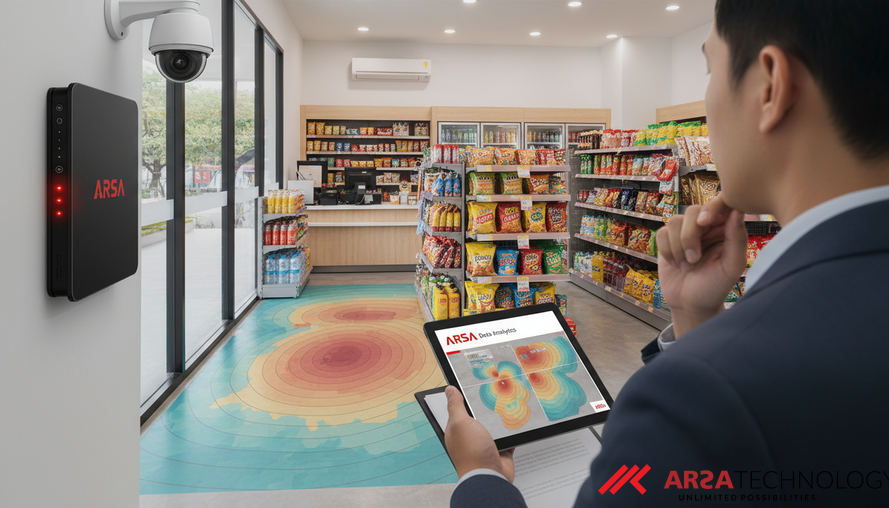
Customer heatmap analytics is a sophisticated technology that uses artificial intelligence to process video feeds, typically from existing CCTV cameras, to visualize customer movement and engagement within a physical space. Instead of just recording events, AI analyzes the video stream to detect and track individuals, mapping their paths, dwell times, and interactions with products or displays. This data is then aggregated and presented as a “heatmap”—a color-coded overlay on your store’s floor plan, where warmer colors (red, orange) indicate high activity or prolonged presence, and cooler colors (blue, green) signify less engagement.
This technology offers a granular understanding of customer flow, identifying “hot zones” where products fly off shelves or promotions capture attention, and “cold spots” that might indicate bottlenecks or underperforming areas. For a convenience store, this means pinpointing the most effective placement for impulse buys near the checkout, or understanding why a new beverage cooler isn’t getting the expected traffic.
Why Customer Heatmap Analytics is Crucial for Convenience Stores
Convenience stores operate on tight margins and depend heavily on efficient layouts and quick, satisfying customer journeys. Every second a customer spends searching for an item, or every missed opportunity for an impulse purchase, impacts the bottom line. Traditional methods of observing customer behavior are often subjective and labor-intensive.
With customer heatmap analytics, convenience stores gain objective, real-time insights into:
- Optimal Product Placement: Identify the best spots for high-margin items, promotional displays, and essential goods to maximize visibility and accessibility.
- Traffic Flow Management: Redesign aisles to prevent congestion, especially during peak hours, ensuring a smooth and pleasant shopping experience.
- Staffing Optimization: Understand peak activity times and areas to deploy staff more effectively, whether for restocking, customer assistance, or checkout.
- Promotional Effectiveness: Measure the direct impact of new displays or signage on customer engagement and movement.
These insights empower store managers to continuously refine their environment, turning a simple convenience stop into a more engaging and profitable interaction.
Beyond Basic Footfall: AI Dwell Time Analysis for Shopping Malls
While basic footfall counting provides a quantitative measure of visitors, AI dwell time analysis for shopping malls and individual stores offers a qualitative layer of understanding. Dwell time refers to the duration a customer spends in a specific area or interacting with a particular product. For a shopping mall property manager, this data is invaluable. It helps assess the attractiveness of common areas, the effectiveness of mall-wide promotions, and crucially, the performance of individual tenants.
Longer dwell times in a particular store or section of a convenience store often correlate with higher engagement and a greater likelihood of purchase. Conversely, short dwell times in key areas might signal confusion, lack of interest, or poor navigation. ARSA Technology’s solutions, such as the ARSA Smart Retail Counter (AI Box), provide precise dwell time metrics, enabling businesses to:
- Evaluate Display Effectiveness: See if new product displays or promotional signage truly capture attention.
- Identify Engagement Hotspots: Understand which sections of a store or mall are most captivating to visitors.
- Optimize Customer Journey: Pinpoint areas where customers get stuck or leave prematurely, allowing for layout adjustments.
- Support Tenant Performance: Mall managers can use anonymized, aggregated dwell time data to advise tenants on improving their store layouts and merchandising.
Leveraging Customer Movement Pattern Analysis CCTV for Strategic Decisions
The evolution of CCTV from mere security surveillance to an intelligent data source is a game-changer. Customer movement pattern analysis CCTV transforms passive video footage into actionable business intelligence. By integrating AI video analytics with existing camera infrastructure, businesses can track the entire customer journey, from entry to exit.
This advanced analysis can reveal:
- Common Paths: Identify the most frequently taken routes through a store, informing product placement and promotional strategies.
- Bottlenecks: Detect areas where customers slow down or accumulate, indicating potential congestion points that need addressing.
- Unexplored Zones: Highlight sections of the store that customers consistently bypass, suggesting opportunities for new displays or layout changes.
- Queue Dynamics: Monitor queue lengths and wait times at checkouts, enabling proactive staffing adjustments to reduce abandonment rates.
For a convenience store, understanding these patterns can lead to a significant increase in sales conversion by ensuring that high-value items are placed along common paths and that the checkout process is as smooth as possible.
How ARSA Technology Empowers Store Layout Optimization with Heatmap Data
ARSA Technology offers cutting-edge AI solutions designed to bring these insights to your convenience store or retail space. Our ARSA Smart Retail Counter (AI Box) is a prime example of how practical AI can be deployed to deliver measurable results. This plug-and-play device integrates seamlessly with your existing CCTV cameras, offering a 5-minute setup that immediately begins collecting valuable data.
Key features of the ARSA Smart Retail Counter include:
- Edge Processing: All video analytics are processed directly on the device at the edge, eliminating cloud costs and ensuring data privacy. This is crucial for businesses concerned about data sovereignty and real-time performance.
- Multi-Camera Support: Each AI Box can connect to up to 3 cameras, providing comprehensive coverage for various sections of your store.
- Real-time Counting & Tracking: Accurately counts people entering and exiting, tracks visitor footfall, and monitors customer movement patterns.
- Heatmap Visualization: Generates intuitive heatmaps that visually represent customer activity, making it easy to identify high-traffic and low-traffic areas.
- Dwell Time Analysis: Provides detailed reports on how long customers spend in different zones, offering deeper insights into engagement.
- Queue Management: Monitors queue lengths at checkouts, enabling proactive management to reduce wait times and improve customer satisfaction.
The ARSA Smart Retail Counter is part of our broader AI Box Series overview, which offers a range of edge AI solutions tailored for rapid deployment and immediate impact.
Real-World Impact: Optimizing Retail Floor Plan with Heatmap Data
The practical application of these analytics leads to tangible business outcomes. By using heatmap data to optimize retail floor plan with heatmap data, businesses can achieve:
- Increased Sales Conversion: Strategic product placement based on customer flow can lead to a 25% increase in impulse purchases and overall sales.
- Optimized Staffing Costs: Understanding peak hours and high-activity zones allows for more efficient staff deployment, reducing unnecessary labor costs while maintaining service quality.
- Improved Store Layout: Data-driven adjustments to shelving, displays, and pathways create a more intuitive and enjoyable shopping experience, encouraging longer visits and repeat business.
- Reduced Queue Abandonment: Proactive queue management based on real-time data minimizes wait times, preventing frustrated customers from leaving without a purchase.
These improvements directly translate into a healthier bottom line and a more competitive position in the market.
Foot Traffic Analytics for Tenant Performance and Mall Management
For mall property managers, the insights from foot traffic analytics for tenant performance extend beyond individual store optimization. Aggregated, anonymized data from multiple convenience stores and other retail outlets within a mall can provide a holistic view of visitor behavior across the entire property. This allows managers to:
- Assess Mall Zone Popularity: Identify which sections of the mall attract the most visitors and for how long.
- Optimize Common Areas: Improve the layout of food courts, seating areas, and promotional spaces based on actual usage patterns.
- Support Leasing Decisions: Provide prospective tenants with data-backed insights into foot traffic and demographics for specific locations.
- Enhance Tenant Mix: Strategically place complementary businesses to maximize cross-pollination and overall mall revenue.
By understanding the macro-level flow of visitors, mall managers can create a more dynamic and profitable environment for all tenants.
The ARSA Advantage: Privacy-First, Edge-Powered Solutions
ARSA Technology is committed to providing solutions that are not only powerful but also respect privacy and ensure data security. Our edge computing approach means that video processing happens locally on the device, and only anonymized metadata is used for analytics. This “privacy-first” design is particularly important in today’s regulatory environment, ensuring compliance and building trust with customers. While our focus here is on retail analytics, ARSA also offers robust solutions like the ARSA Face Recognition & Liveness API for secure identity verification, showcasing our broad expertise in AI. For a comprehensive look at our offerings, explore all ARSA products.
Frequently Asked Questions
What is the primary benefit of customer heatmap analytics for store layout optimization?
The primary benefit is gaining objective, data-driven insights into how customers interact with your retail space. This allows you to make informed decisions about product placement, aisle design, and promotional strategies, leading to increased sales, improved customer experience, and optimized operational costs.
How does AI dwell time analysis for shopping malls help property managers?
AI dwell time analysis helps mall property managers understand how long visitors spend in different areas or stores. This data is crucial for assessing the attractiveness of common spaces, evaluating tenant performance, optimizing mall layout, and making strategic leasing decisions to enhance overall visitor engagement and revenue.
Can ARSA’s customer movement pattern analysis CCTV integrate with existing security cameras?
Yes, ARSA Technology’s solutions, including the ARSA Smart Retail Counter (AI Box), are designed to work seamlessly with your existing CCTV infrastructure. This eliminates the need for costly hardware replacements and allows for rapid, plug-and-play deployment to transform your current surveillance system into an intelligent analytics platform.
What kind of ROI can a convenience store expect from optimizing its retail floor plan with heatmap data?
By leveraging heatmap data to optimize their retail floor plan, convenience stores can expect significant returns, including up to a 25% increase in sales conversion, optimized staffing costs through efficient deployment, and a reduction in queue abandonment rates, leading to a typical payback period within 12-24 months.
Conclusion
The ability to truly understand and react to customer behavior is the cornerstone of modern retail success. Customer heatmap analytics for store layout optimization provides the actionable intelligence needed to transform convenience stores and shopping malls into highly efficient, customer-centric environments. By adopting advanced AI video analytics, businesses can move beyond guesswork, making strategic decisions that directly impact sales, operational efficiency, and customer satisfaction.
ARSA Technology stands as your trusted partner in this transformation, offering proven, privacy-first, and easy-to-deploy edge AI solutions like the ARSA Smart Retail Counter. Ready to unlock the full potential of your retail space? Don’t let valuable customer insights go unnoticed. Contact ARSA solutions team today to schedule a consultation and see how our AI can drive your business forward.
Stop Guessing, Start Optimizing.
Discover how ARSA Technology drives profit through intelligent systems.
